
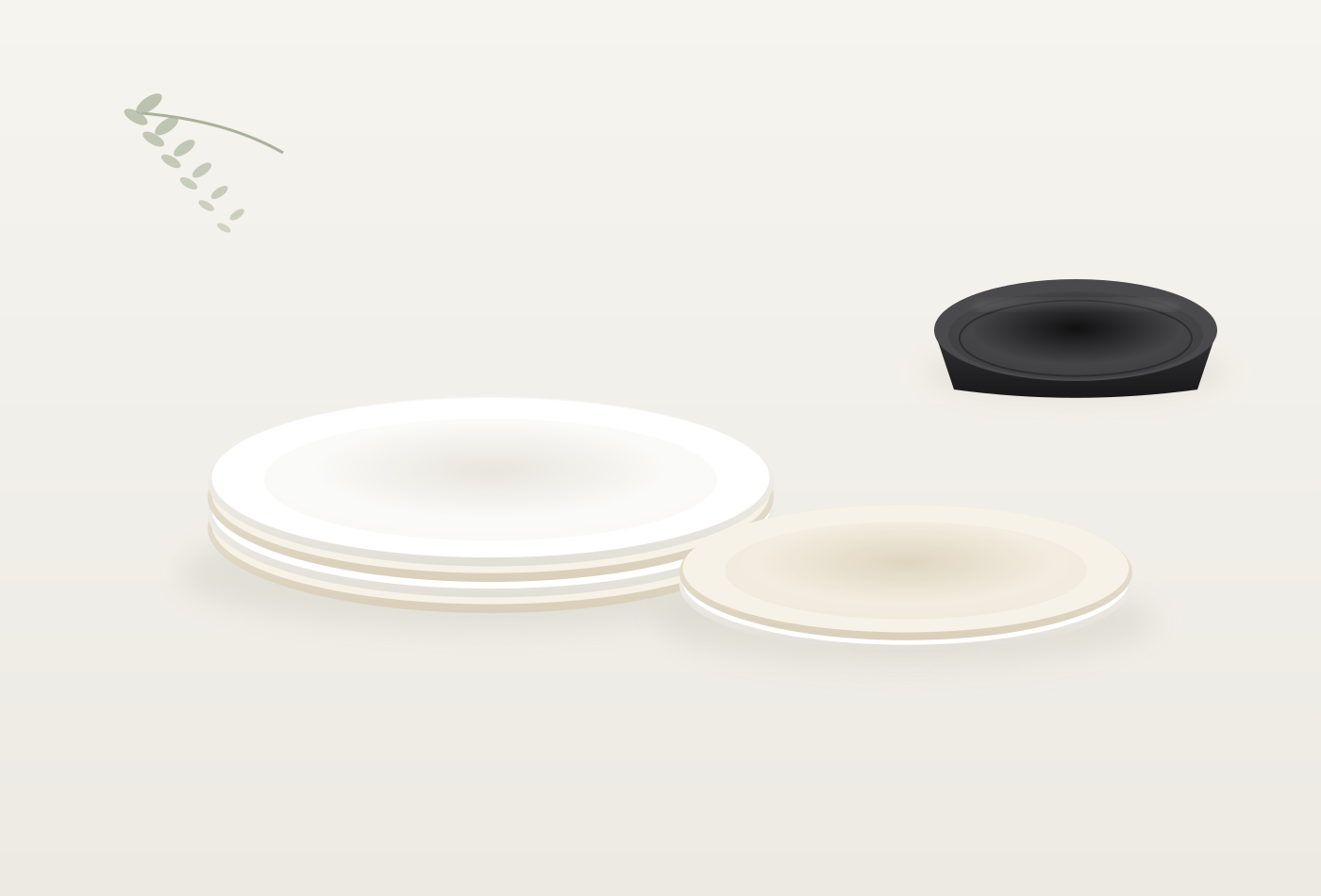
Melamine vs Porcelain for Chain Restaurants: A Selection Framework by Service Scenario
Drop rates, replacement cost, brand perception and compliance scope differ by material. A neutral framework for choosing per concept — not per trend.
Journal
Read buying guides, product notes, material stories, and field updates from the team.

Drop rates, replacement cost, brand perception and compliance scope differ by material. A neutral framework for choosing per concept — not per trend.

Rockwell hardness numbers are marketing until you can read them. A procurement-side guide to HRC values, 420 (3Cr13) steel, and batch spectral analysis.

What actually breaks in high-volume melamine programs, and the testing paperwork that prevents it — a procurement-side guide for chain F&B teams.
Recommended products
Popular pieces selected to support the routines, repairs, and ideas featured in our journal.

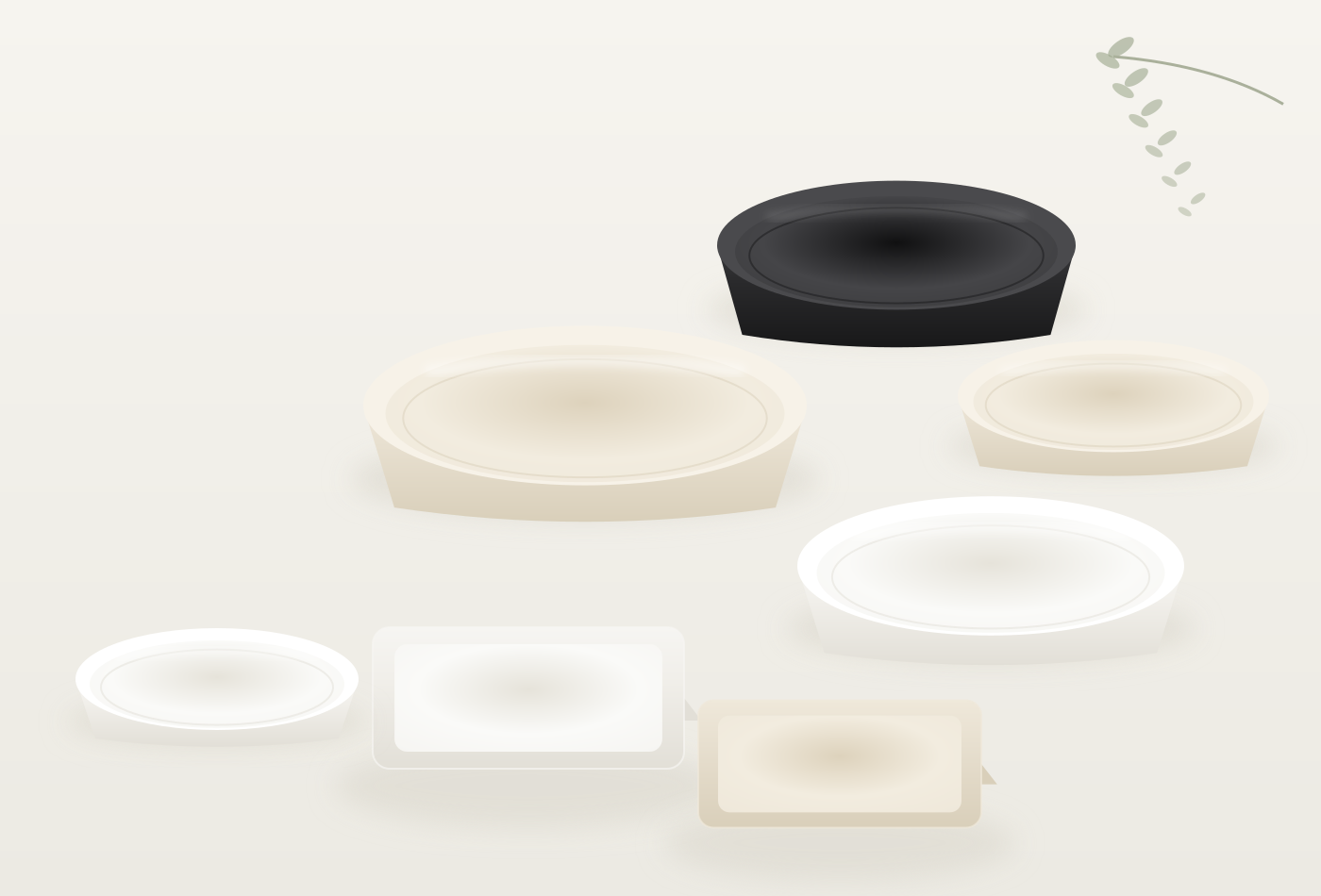
Lightweight, durable matte melamine bowls and rectangular trays in ivory, white and black — easy-care surfaces for high-frequency service, with heavy-metal leaching control at three testing gates and laser-etched 'no microwave' marks.

Matte reinforced porcelain plates in soft ivory and white — magnesia-reinforced bodies with thickened anti-chip rims, under-glaze laser logos engineered to commercial dishwashing standards, and ΔE≤1.5 batch color control with retained samples.

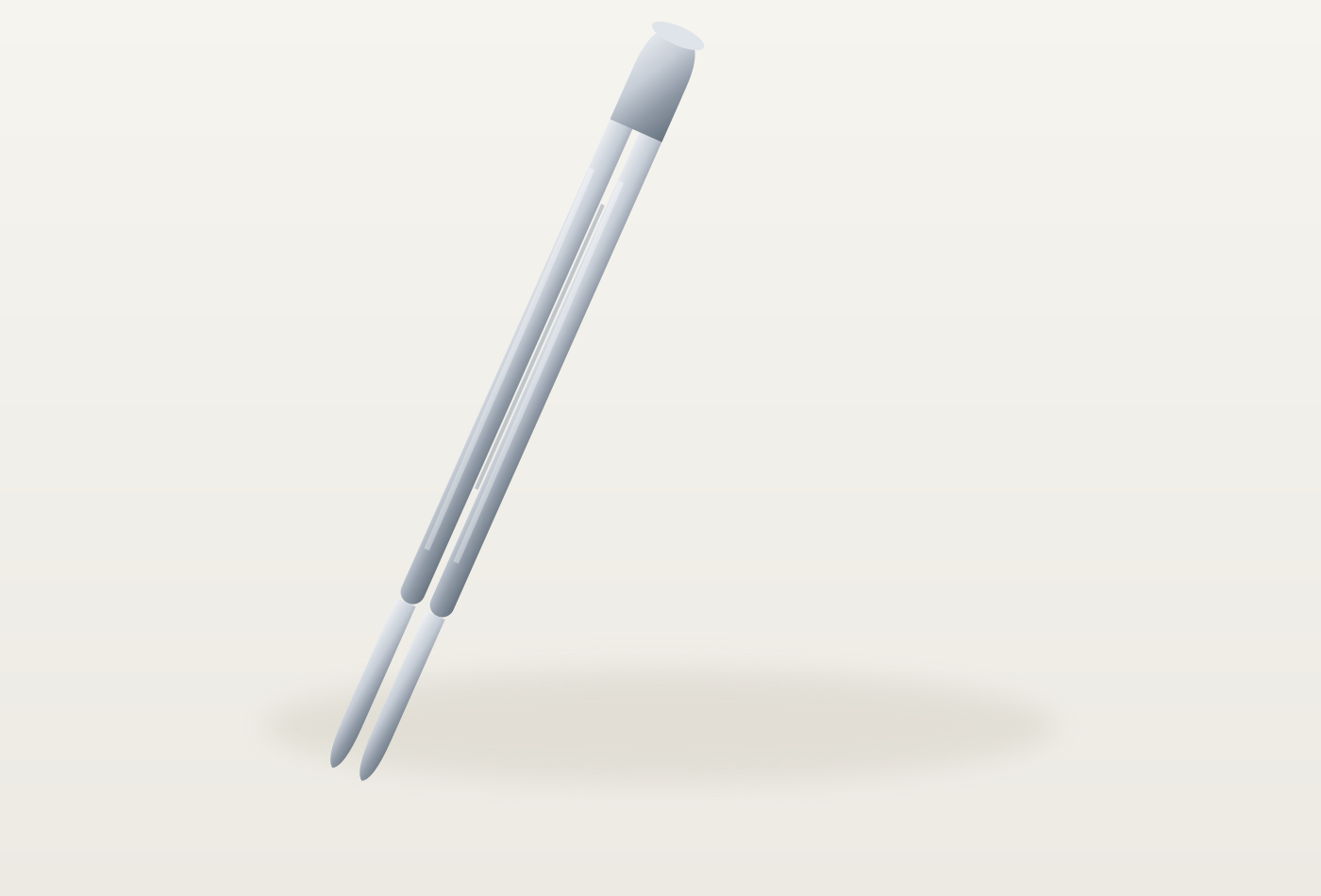
Precision plucking tweezers for Japanese-format commercial kitchens, made from 420 (3Cr13) stainless steel heat-treated to HRC 52, with batch-level spectral analysis records. Part of Trendz custom-development program for restaurant chains.