
Oct 29, 2026Chain Operations
Multi-Site Ware Rollouts: From One Store to Fifty
The fleet change that works in one store fails in fifty. The rollout system — pilots, waves, the kit discipline and the legacy fleet's exit — that scales without chaos.
Journal
Read buying guides, product notes, material stories, and field updates from the team.
The fleet change that works in one store fails in fifty. The rollout system — pilots, waves, the kit discipline and the legacy fleet's exit — that scales without chaos.

Color drift between stores is brand drift on the table. The audit system — sealed references, site visits, photo protocols — that keeps fifty fleets reading as one.

The sample is the fleet's contract made physical. The sample pipeline — first article, counter-sample, golden standard — that keeps production honest.
Ware negotiations are about more than unit price. The playbook: leverage sources, the TCO terms, batch protections and the relationship that survives price rounds.
The cheapest plate is rarely the cheapest fleet. The TCO model — purchase, breakage, labor, wash, register — that prices tableware like the investment it is.

The dish room is ware's labor bill. The stack depths, rack systems and soil management that turn hours of scrubbing into minutes of loading — by design, not effort.
Terraces, holidays, patios and patios again — seasonal demand bends the ware program. The season-mapping, buffer-sizing and swing-fleet system that rides the calendar.

Ware buys that follow crises cost double. The forecasting stack — baseline, growth, seasonality, attrition — that buys the fleet before the rush arrives.
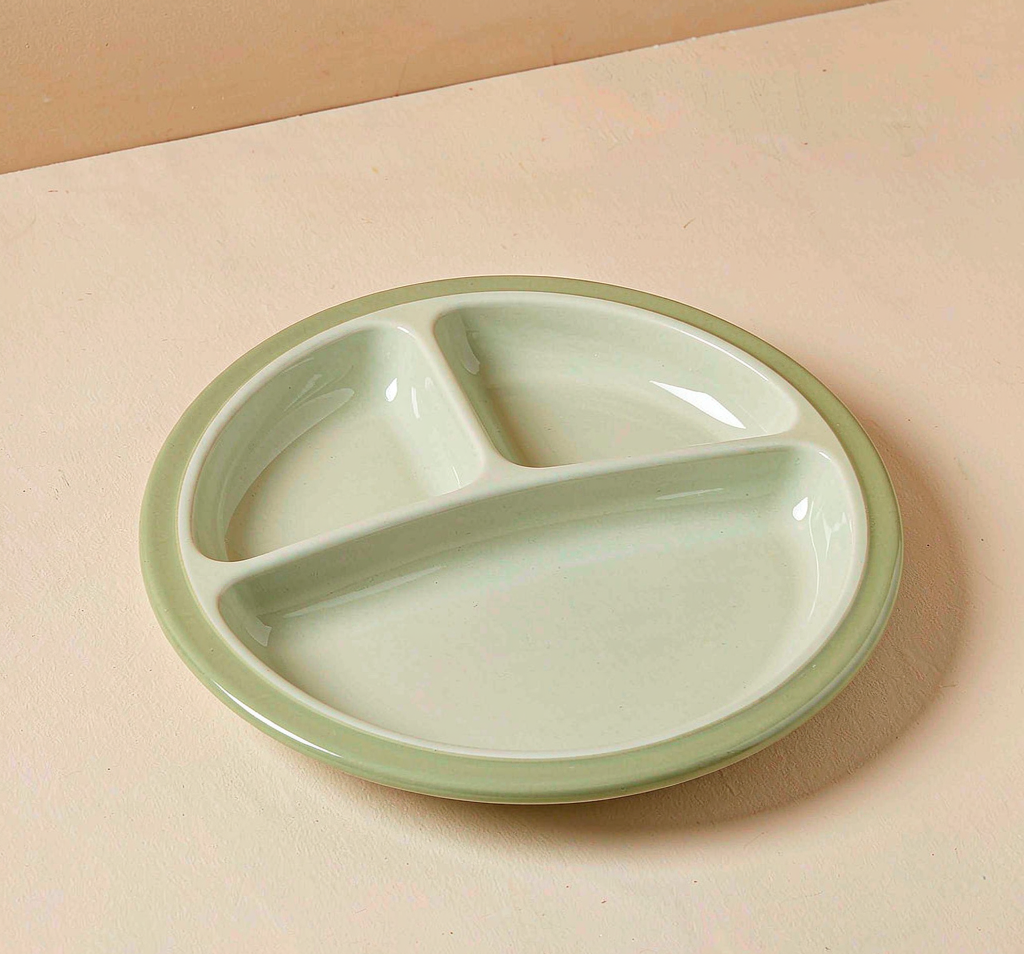
"BPA-free" is on every package — but what does it certify, what does it not, and where do phthalates fit? A buyer's decoder for polymer claims on tableware.

Every market regulates what may touch food. A chain buyer's map of the major frameworks — EU, US FDA, and the paperwork discipline that travels across borders.
Recommended products
Popular pieces selected to support the routines, repairs, and ideas featured in our journal.
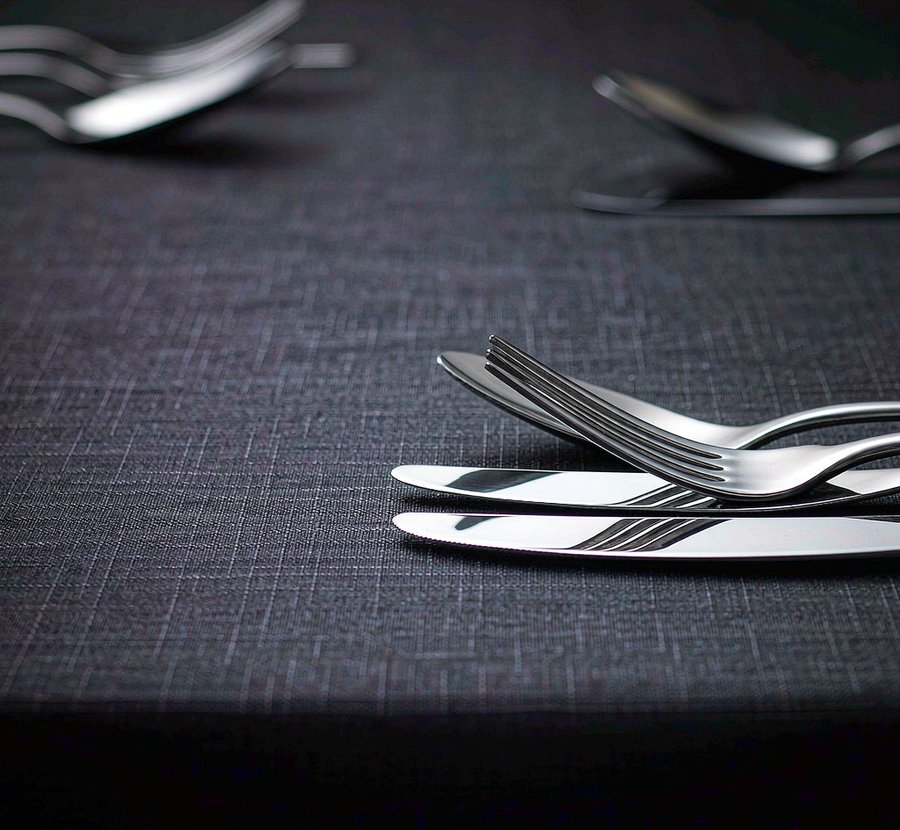
Stainless steel cutlery, spoons and kitchen tools for restaurant service, including specialty items such as 420 (3Cr13) plucking tweezers heat-treated to HRC 52 with a batch spectral analysis record.
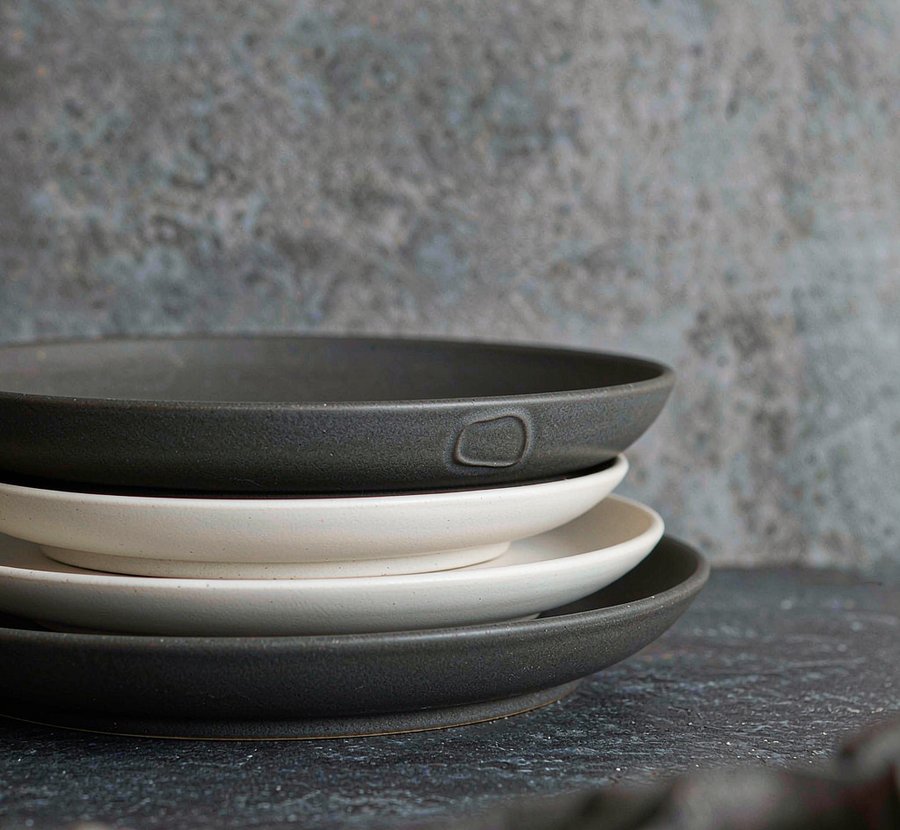
Ceramic and porcelain plates, bowls and dishes for commercial restaurant service, sourced from established ceramic production regions.
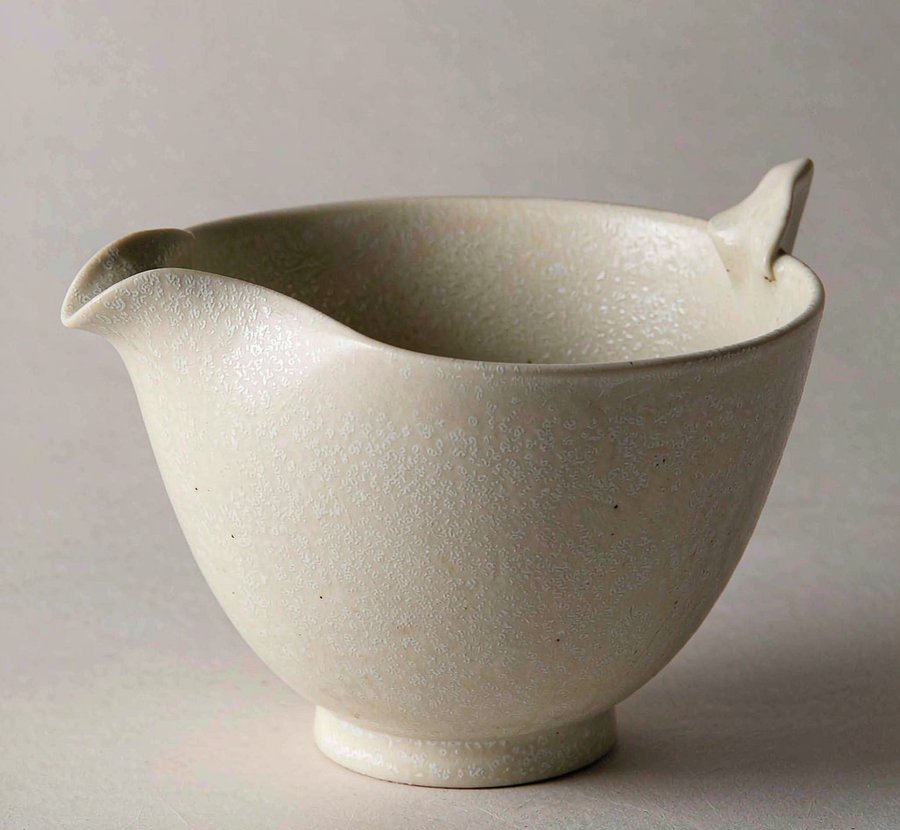
Katakuchi-style spouted bowl for sauces, dressings and shared pours — portion control and clean pouring without extra tools.
