The Factory Visit Checklist for Tableware Buyers
The factory visit reads what catalogs hide. The checklist: the kilns, the QC stations, the warehouse, the workers' tenure — and the questions that separate factories from traders.
Journal
Read buying guides, product notes, material stories, and field updates from the team.

The factory visit reads what catalogs hide. The checklist: the kilns, the QC stations, the warehouse, the workers' tenure — and the questions that separate factories from traders.

The trade show floor is a warehouse that talks. The walk-in plan: the pre-show list, the booth method, the sampling kit and the follow-up system that turns visits into orders.

The chain's own ware line — for the tables and the shelf. The development path: concept, spec, sampling, compliance, launch — and the retail layer's rules.

The menu's photos sell the dish before the kitchen does. The photography fleet — surfaces, colors, scales — and the styling system behind every appetizing shot.

Every cover is set a thousand times a week — identically or not. The SOP system: the place map, the reset choreography and the check that makes consistency automatic.

A chipped plate is a small event with a big mouth. The response protocol — the guest moment, the safety line, the root-cause loop — that turns defects into trust.

"Looks fine" is not an inspection. The scoring rubric — dimensions, weight, glaze, sound, edge — that turns incoming batches into numbers, verdicts and accountability.

Ware buying has a calendar — and missing its windows costs double. The annual cycle: forecast, negotiate, order, receive, audit — with every window mapped.

Franchisees buy their own ware — and the brand lives on their tables. The kit system: the exact spec, the approved sources, the audit that keeps every franchise honest.

One fleet everywhere, or a local accent per market? The decision framework — brand coherence against local signal — and the layered answer most chains land on.
Recommended products
Popular pieces selected to support the routines, repairs, and ideas featured in our journal.

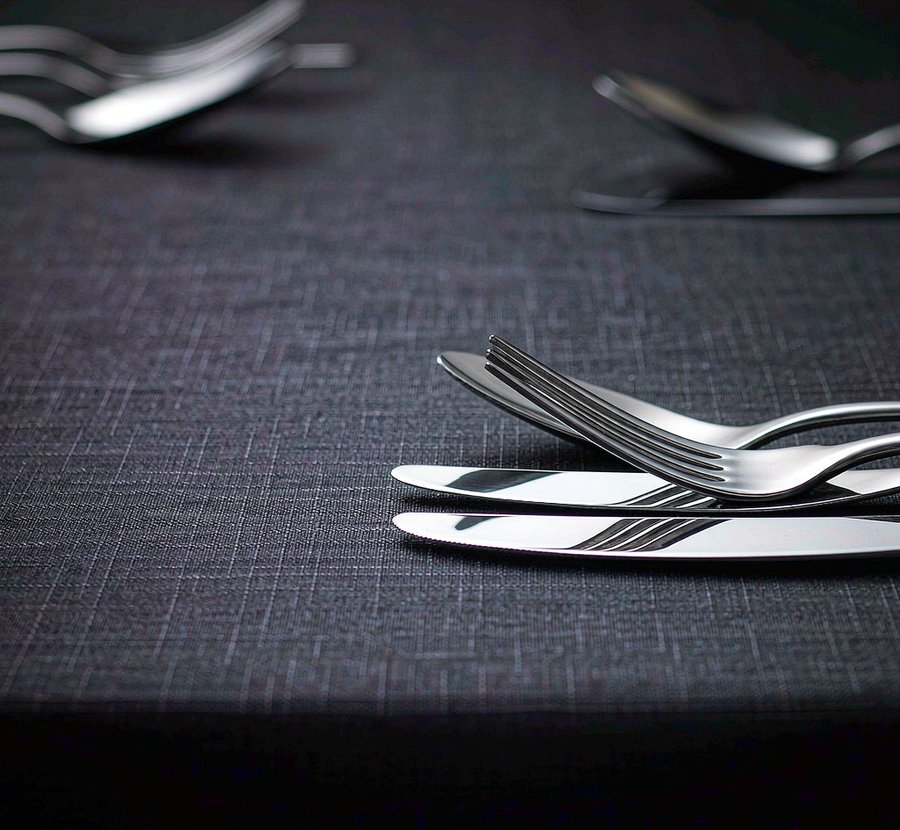
Stainless steel cutlery, spoons and kitchen tools for restaurant service, including specialty items such as 420 (3Cr13) plucking tweezers heat-treated to HRC 52 with a batch spectral analysis record.

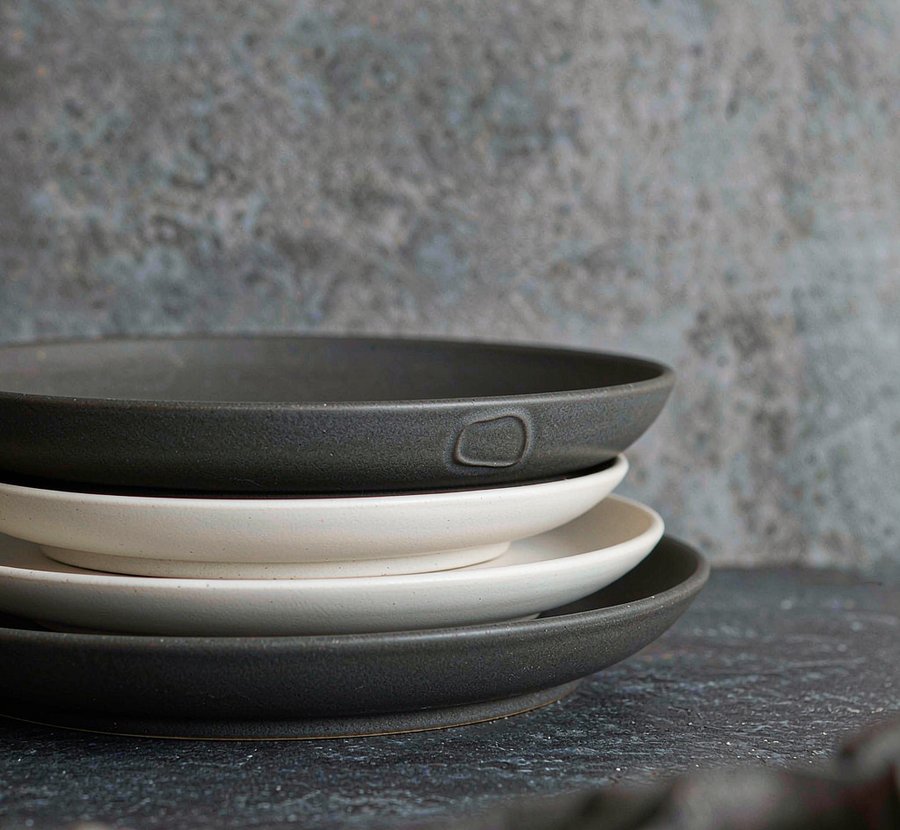
Ceramic and porcelain plates, bowls and dishes for commercial restaurant service, sourced from established ceramic production regions.

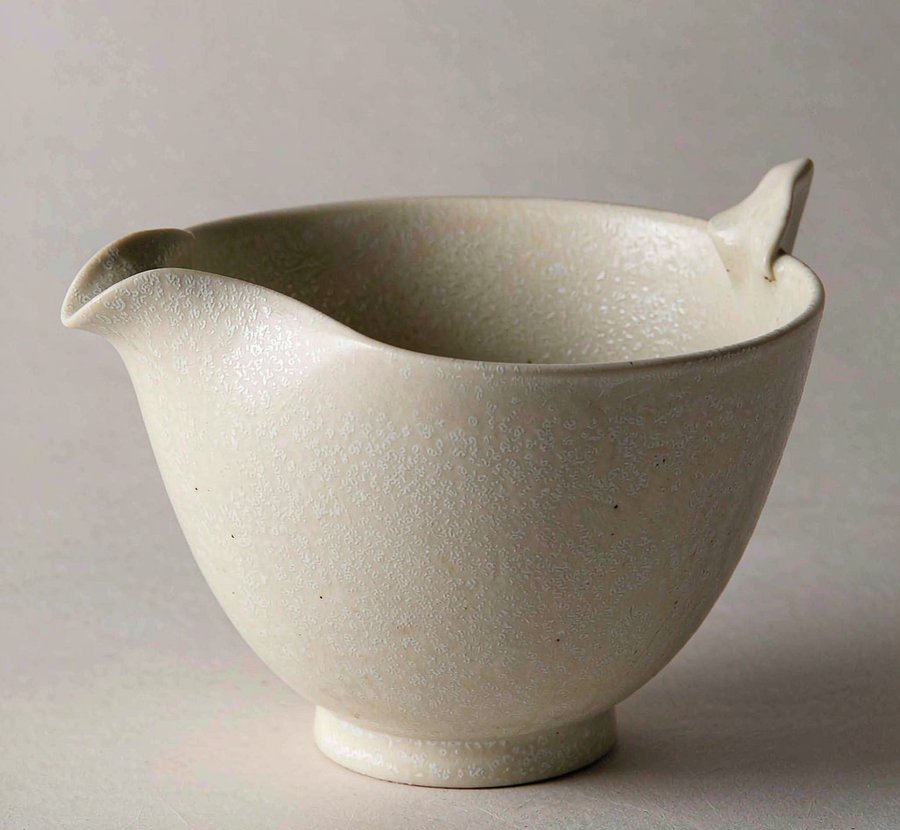
Katakuchi-style spouted bowl for sauces, dressings and shared pours — portion control and clean pouring without extra tools.