Nov 1, 2026Chain Operations
Chopstick Rests: The Smallest Piece with the Biggest Register
The chopstick rest costs almost nothing and signals everything. The material map, shape logic and the hygiene read behind the table's smallest piece.
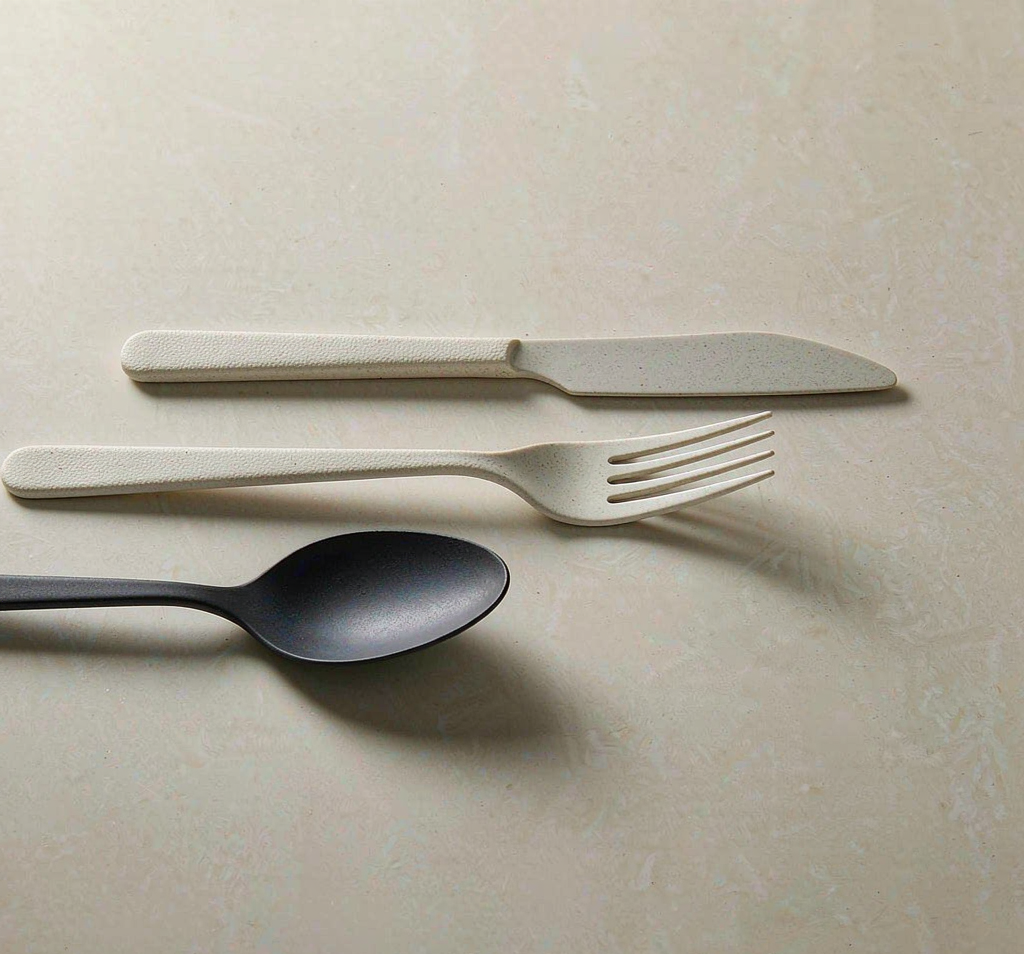
The chopstick rest is the table's smallest piece and one of its loudest signals: it says where the chopsticks live between bites, it keeps the tips off the tablecloth, and its material — ceramic, wood, stone, folded paper — tells the guest what kind of establishment they're in. It costs cents and weighs grams, and it multiplies by every cover in the format's markets. The rest program is small ware at its most consequential.
Why the Rest Exists
The rest solves three problems at once: hygiene (the tips that touched the guest's hands stay off the shared table), care (the chopsticks' finished ends don't chip or stain the cloth), and composition (the setting has a place for everything — the meal reads as tended). In markets where chopsticks are the default tool, the rest is as standard as the plate; in fusion and Western formats, it's a deliberate cultural signal. The program's first decision: is the rest present at every setting, or is it a tier piece?
The Material Map
Material | Register | Care notes |
|---|---|---|
Ceramic | The classic; matches the plate family | Chips at the tips' contact; washes in swarms |
Natural wood | Warm, traditional | No dish machine; oil discipline; absorbs odors |
Stone/marble | Premium, cool to touch | Heavy for the size; the plate's scratch risk |
Metal (brass, stainless) | Modern, durable | The clatter; the plate's scratch risk |
Polymer | Volume tier, color programs | The cheap read — quality tier or skip |
Folded paper | Casual, disposable-friendly | Per-service cost; the hygiene signal |
The map's logic: the rest's material should family with the table's register — the stone rest under a rustic bowl reads as confusion, the paper rest under fine porcelain reads as corner-cutting.
The Shape Library
Rests come in a working set of shapes: the bar (the classic rail), the leaf (the organic's nod), the pebble (the river-stone smooth), the bridge (the arch that lifts both sticks' ends), and the character shapes (the themed tier — animals, zodiac, seasonal). The shape's job: to hold both sticks' tips separated and off the surface, at a slight angle that lets them drain. The program's discipline: one or two shapes per concept — the shape zoo that accumulates over years reads as a drawer, not a design.
The Hygiene Read
The rest touches the chopsticks' tips — the same tips that touch the guest's mouth: the hygiene story matters. Washable materials (ceramic, metal, quality polymer) run through the machine in containment racks; wood and paper carry their own rules (wood's hand-wash line, paper's per-service replacement). The audit line: rests are small ware — counted like cutlery, washed like cutlery, and retired when chipped, cracked, or stained past the wash.
The Placement Discipline
The rest's position is part of the setting's map: to the right of the plate (or above, per the format's convention), aligned with the chopsticks' body, at a consistent distance from the edge. The placement discipline: dimensioned into the table-setting SOP like every other piece — the rest that drifts around the table reads as untended even when it's present. In the reset choreography, the rest goes down with the chopsticks, in one motion.
The Walk Factor
Rests walk: they're small, dense, giftable, and pocketable — the shrinkage law's favorite specimen. The defenses: dense unbranded choices for the walkable tiers, the count rhythm (small ware counted, not swept), and the loss factor in the fleet math. The branded rest is a double-edge: it returns slightly more often (the logo's soft deterrence) and it's a stronger souvenir (the pull's increase) — the chain's own audit data decides which force wins.
The Seasonal Layer
Rests are the fleet's cheapest seasonal accent: the sakura rest for spring, the maple for autumn, the snow for winter — the calendar in ceramic. The seasonal discipline: the accent layer's restraint (a rotation of two or three seasonal shapes on a constant core), the storage cycle for the off-season stock, and the cost math (the seasonal rest's price per active week). The seasonal rest is the table's smallest holiday — and its cheapest.
The Takeaway Pairing
Takeaway meals in chopstick markets ship with their own logic: disposable chopsticks in their sleeve, and — where the format is premium — a folded paper rest inside. The pairing's signal: the format that includes a rest in the bag is telling the guest "eat this properly, wherever you are." The cost is cents; the read is care.
Frequently Asked Questions
Are chopstick rests necessary? In chopstick-first markets, yes — they're as standard as the plate. In fusion formats they're a deliberate cultural signal, and the material choice carries the message.
Which material for a chain? Family with the table: ceramic where the plates are ceramic, quality polymer for volume tiers, wood only with a hand-wash line. Stone and metal read premium but scratch plates.
How do you stop rests from walking? Count them like cutlery, buy dense and unbranded for the high-risk tiers, and carry the loss factor. The audit data decides whether branding deters or attracts.
One shape or many? One or two shapes per concept — the accumulated shape zoo reads as a drawer. The shape's job: tips separated, off the surface, angled to drain.
Can rests be seasonal? They're the fleet's cheapest accent: two or three seasonal shapes rotating on a constant core, with the storage cycle priced per active week.