Nov 1, 2026Chain Operations
Fruit Display Plates: The Freshness Stage
Fruit plates sell freshness before the first bite. The display program: plate shapes, the color architecture, cut styles and the oxidation clock.

Fruit plates sell freshness before the first bite: the colors, the cut, the glisten of just-cut flesh. The fruit display program is freshness staged — the plate's shape, the color architecture, the cut styles, and the oxidation clock that the display fights from the moment the knife lands. This guide builds the stage.
The Plate's Shape for Fruit
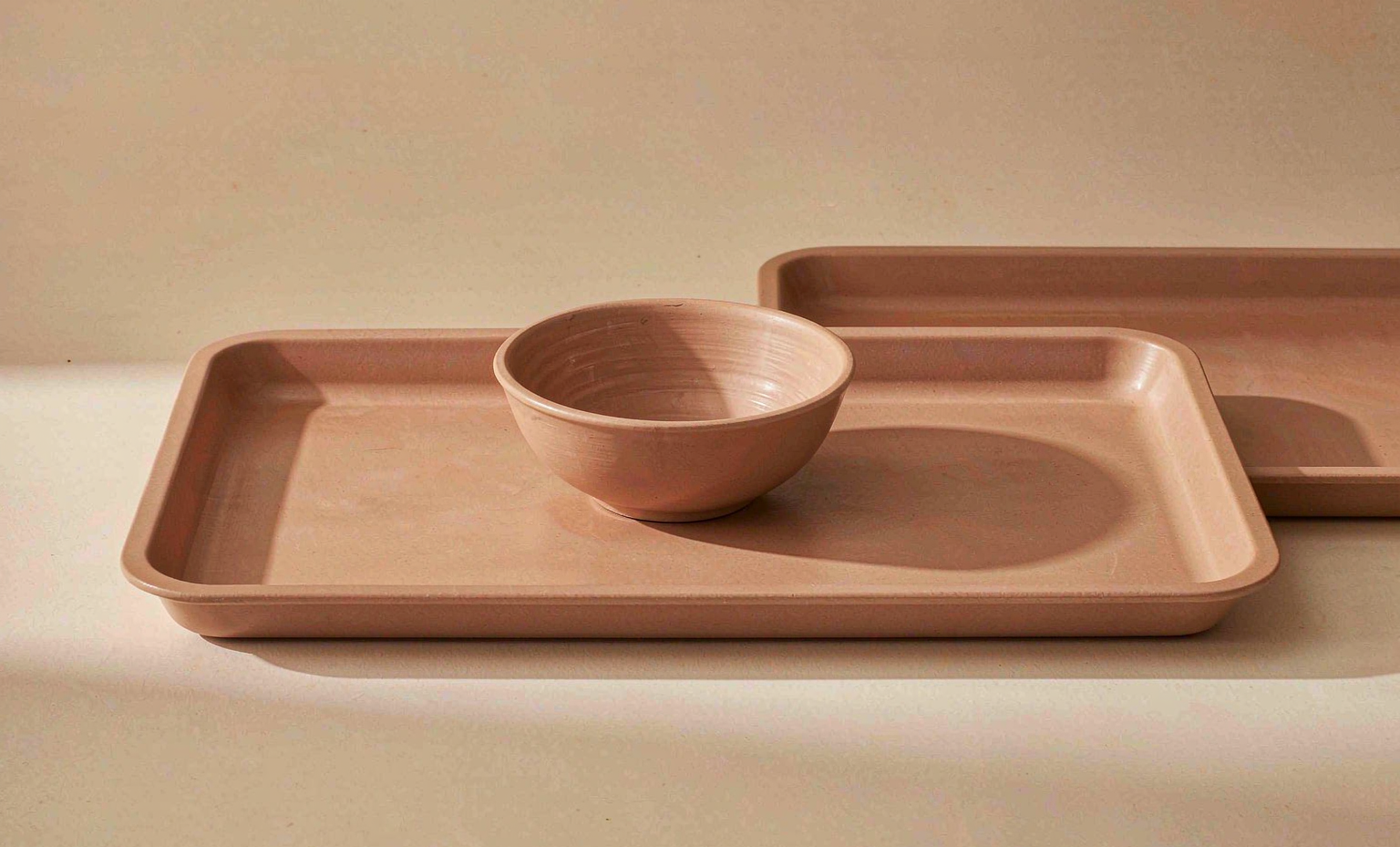
Fruit reads on specific geometry: the shape's options — the wide shallow plate (the slices' landscape), the dished bowl (the berries' pool), the compartment plate (the segments separated), and the raised stand (the tiered display's drama). The shape's discipline: matched to the fruit's form (the melon's wedge wants the landscape; the berries want the pool's depth), and the juice's management (the dished rim that contains the weep — the flat plate exports it). The shape is the fruit's stage: matched to the act.
The Color Architecture
Fruit is a color instrument: the architecture — the contrast's composition (the red beside the green beside the gold — the palette that reads ripe), the monotone's elegance (the single-fruit displays' focus: the citrus plate, the berry bowl), and the plate's neutrality (the white and pale grounds that let the fruit's colors speak). The architecture's discipline: the plate tested with the menu's fruit (the pale plate that flatters the berries may wash out the melon), and the season's rotation (the fruit's colors change; the plate holds). The color architecture is the display's marketing: composed, ripe, photographed.
The Cut Styles' Vocabulary
The cut is the display's craft: the vocabulary — the wedge (the melon's classic), the segment (the citrus's supreme — the membrane's removal), the ball (the melon baller's retro), the fan (the strawberry's slide), the cube (the fruit salad's democracy), and the whole-with-slit (the fig's opening). The vocabulary's discipline: the cut matched to the fruit's anatomy (the supreme that respects the citrus's structure), the consistency across the display (the mixed cuts that read as chaos), and the knife work's training (the display's quality is the prep line's skill). The cut vocabulary is the fruit's typography: learned once, repeated identically.
The Oxidation Clock
Cut fruit starts dying immediately: the oxidation clock — the browning's chemistry (the apple and banana's fast clocks, the citrus's slower), the defenses (the citrus juice's acid bath, the timing that plates close to service), and the display's rotation (the case's pieces turned before they tire). The clock's discipline: the prep schedule built backwards from service (the cut that waits is the display's lie), and the honest line (the pre-cut fruit displayed hours past its clock — the guest's eye catches what the kitchen hopes to hide). The oxidation clock is the display's deadline: scheduled around, never ignored.
The Freshness Signals
The guest reads freshness in signals: the glisten (the just-cut sheen versus the dried surface), the color's vividness (the oxidized brown's alarm), the seed's state (the strawberry's fresh green crown), and the drip's honesty (the juice beading on the melon). The signals' discipline: the display refreshed on the clock (the misted or replaced — the rotation's rhythm), and the case's temperature (the display's chill keeps the clock slow — the refrigerated tier's role). The freshness signals are the display's proof: the fruit that looks cut ten minutes ago sells; the fruit that looks cut ten hours ago doesn't.
The Garnish Layer
Fruit displays garnish with themselves and their neighbors: the garnish layer — the mint's sprig (the green against the fruit's palette), the citrus's leaf, the berry's crown left on, and the edible flower's tier (the premium's accent). The layer's discipline: the garnish's freshness (the mint that blackens is the display's weak point — replaced more often than the fruit), and the restraint (the garnish that frames the fruit, not the garnish that competes). The garnish layer is the display's finishing: small, fresh, disciplined.
The Breakfast and Buffet Tier
Fruit displays anchor the morning: the buffet tier — the platter's scale (the hotel buffet's landscape), the compartment's order (the melon from the berry — the flavors kept separate), the chill's management (the buffet's ice bed or the chilled vessel), and the turnover's rhythm (the tray swapped before it tires — the half-empty fruit tray is the buffet's weakest read). The tier's discipline: the display's scale matched to the surge (the morning storm's math), and the refresh's cadence (the fruit's clock runs faster at room temperature). The buffet tier is the fruit display at volume: staged, chilled, rotated.
Frequently Asked Questions
What plate shape for fruit? Matched to the form: wide shallow plates for the wedge landscape, dished bowls for berries, compartments for the separated segments — with the dished rim that contains the weep.
How do you fight oxidation? The clock is managed, not beaten: citrus-juice baths for the fast-browning fruits, prep scheduled backwards from service, and the display rotated before it tires. The cut that waits is the display's lie.
Which cut style for a display? The fruit's anatomy decides: supremes for citrus, wedges for melon, fans for strawberries — with the consistency that reads as craft and the knife training that repeats it.
What are the freshness signals guests read? The glisten, the color's vividness, the crown's green, the beading juice — the display refreshed on the clock, chilled where possible, and honest to the oxidation clock.
What does the garnish layer add? The mint and the leaf that frame the fruit — fresh, restrained, and replaced more often than the fruit itself, because the garnish's weakness is the display's weak point.