Nov 1, 2026Chain Operations
Bread Baskets: Liners, Warmth and the Refill Signal
The bread basket is hospitality's opening statement. The program: basket materials, liner systems, the warmth engineering and the refill cadence that reads as care.
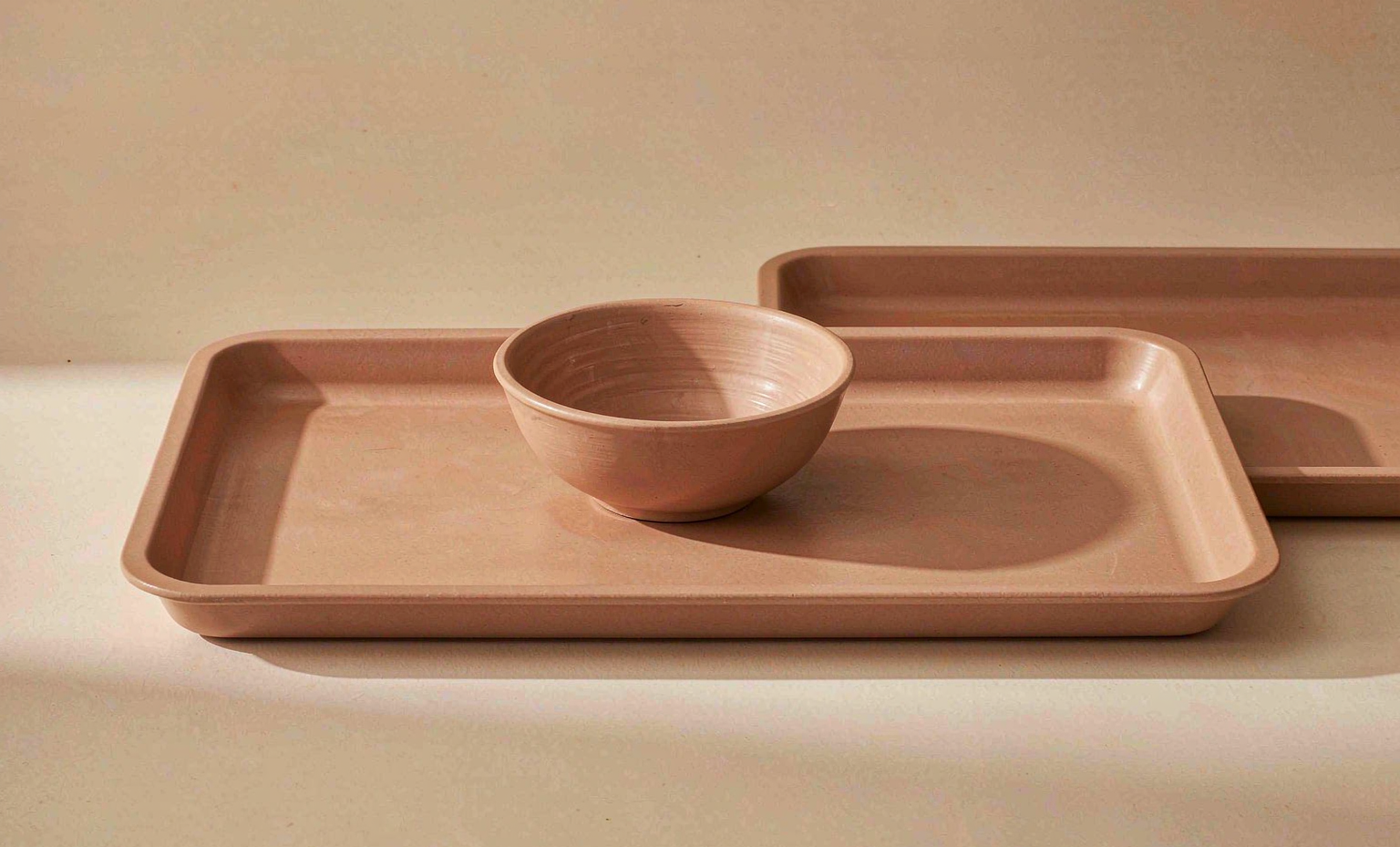
The bread basket is hospitality's opening statement: it lands before the food, and its condition — warm bread, clean liner, generous look — tells the guest what kind of care the kitchen practices. The bread basket program looks rustic and runs precise: the basket's material, the liner system, the warmth engineering, and the refill cadence that reads as care.
The Basket's Material Map
Material | Register | Care notes |
|---|---|---|
Woven wicker/rattan | The classic warmth | Crumb traps in the weave; the brush line |
Polyweave/synthetic | The washable wicker look | Machine-safe tiers; the sun-fast color |
Metal wire | Modern, airy | The bread's cooling; the crumb fall-through |
Ceramic/wood troughs | The composed tier | The weight; the liner's partnership |
Cloth-lined trays | The premium's softness | The linen's wash program |
The map's logic: the basket families with the table — the wicker under the fine porcelain reads as picnic; the metal wire in the rustic tavern reads as cold. The basket is the bread's stage: dressed to the room.
The Liner System
The liner is the basket's hygiene layer and its styling: the liner system — the cloth napkin liner (washed per service, the linen program's cousin), the paper liner (changed per seating, the print's brand surface), and the no-liner basket (the woven surface as the contact — the crumb question deepens). The system's discipline: the liner changed every service (the stained liner is the freshness's opposite read), the paper's print economy (the branded liner at the volume's price), and the linen's wash rotation (the liner fleet's depth: two per basket minimum). The liner is the basket's daily face: changed, pressed, presentable.
The Warmth Engineering
Bread is served warm or not at all: the warmth engineering — the basket's heat holding (the woven walls' insulation, the ceramic's mass), the bread's arrival timing (the bake-to-basket-to-table chain), and the holding cabinet's staging (the bread that waits warm, not the bread that waits cold). The engineering's discipline: the warm delivery rehearsed (the timing from oven to table — the crust's clock), and the steam's trap avoided (the covered basket that steams the crust soft — the venting rule). The warmth engineering is the basket's product promise: the bread arrives as the baker intended.
The Refill Cadence
The empty bread basket is the service's pause button: the refill cadence — the basket checked with the courses (the refill offered before the guest asks), the portion's calibration (the basket sized to the party — the two-top's half basket versus the table's full), and the second refill's read (the hospitality that refills twice is the review's line). The cadence's discipline: the bread's cost accounted (the refill is generosity with a ledger line — the portion spec keeps it honest), and the refusal's grace (the guest who declines the refill — the basket's exit without ceremony). The refill cadence is the basket's hospitality meter: tuned to the table.
The Butter and Spread Companions
The basket travels with its spreads: the companions — the butter's vessel (the lidded dish, the whipped butter's ramekin, the olive oil's dip dish), the knife's placement (the spreader per guest or per basket), and the honey-jam tier (the breakfast's additions). The companions' discipline: the temperature staging (the cold butter's spreadability, the oil's pour), and the vessel's count (the spread fleet multiplies with the basket — the small-ware economics again). The companions are the basket's supporting cast: staged with the same care.
The Crumb Management
Bread crumbs are the basket's residue: the management — the liner's role (the crumb catcher changed with the service), the table's crumb sweep (the between-course ritual where the format runs it), and the basket's crumb clearing (the brush line for the woven weave — the crumbs that hide in the wicker). The management's discipline: the basket's clean-out at every wash (the crumb's inspection), and the weave's deep clean (the monthly brush-and-dry). The crumb management is the basket's hygiene core: the weave is honest about what it holds.
The Takeaway Bread
The basket's delivery twin: the takeaway bread — the paper bag's presentation (the crust's venting), the bread's selection (the loaf or the rolls that travel), and the butter's sachet (the spread's travel companion). The takeaway's discipline: the bag's material (the paper that breathes — the plastic that steams the crust), and the inclusion's economy (the bread in the delivery kit: the cost per order, the brand's warmth). The takeaway bread is the basket's courier: the same hospitality, bagged.
Frequently Asked Questions
Which basket material works best? The one that families with the table: wicker for warmth (with the crumb-brush line), polyweave for washable volume, ceramic troughs for the composed tier. The basket is the bread's stage — dress it to the room.
How is the liner program run? Changed every service: cloth liners washed on a two-per-basket rotation, paper liners changed per seating (and printed when the volume justifies). The stained liner is the freshness's opposite read.
How does bread stay warm to the table? The chain: bake-to-basket-to-table timed to the crust's clock, the holding cabinet for the staging, and the venting rule that keeps steam from softening the crust.
What is the refill cadence? The basket checked with the courses, the portion calibrated to the party, and the second refill offered as hospitality — with the bread's cost accounted in the portion spec.
What travels with the basket? The spreads: butter's vessel staged to temperature, the spreader's placement, the oil's dip — the companion fleet multiplies with the basket and counts like small ware.