Nov 1, 2026Chain Operations
Senior Care Ware: What Differs from Restaurant Fleets
Senior care dining is restaurant ware plus care protocols. The differences: the grip specs, the diet's vessel map, the wash's infection control and the dignity's design.

Senior care dining is restaurant ware plus care protocols: the same plates and cups, specified with grip, vision, swallowing and infection-control layers that restaurants never write. The differences are the format's spec — and this guide writes them: the grip specs, the diet's vessel map, the wash's infection control, and the dignity's design.
The Grip Specs
Hands change with age and condition: the grip specs — the handle's diameter (the built-up grips: the utensils sized to arthritic hands), the cup's weight (light enough to lift, stable enough to trust), the non-slip bases (the plate that holds against the tremor's nudge), and the rim's leverage (the lip the spoon braces against: the one-handed meal). The specs' discipline: the population's testing (the grips sampled with the residents' hands: the occupational therapist's review), and the aids' dignity (the adaptive pieces designed as dinnerware: the grip that reads as style). The grip specs are the format's first difference: the ware that keeps the resident eating independently.
The Diet's Vessel Map
Senior dining serves diets as menus: the diet's vessel map — the texture-modified tiers (the pureed meals' molds: the food's dignity shaped), the diabetic's portions (the compartment's control), the swallowing precautions' vessels (the thickened liquids' cups: the sip's safety), and the renal's limits (the portions measured). The map's discipline: the care plan's vessel translation (each resident's diet named in the kitchen's and the tray line's systems), and the vessel's consistency (the diet's ware that never crosses: the allergen's cousin discipline). The diet's vessel map is the format's clinical layer: the ware that serves the care plan.
The Wash's Infection Control
Senior care washes for infection control: the wash's discipline — the machine's temperatures (the sanitizing cycles logged: the thermometer's strip), the chemical's concentration (the sanitizer's test strips: the dish pit's clinical routine), and the isolation's protocol (the affected residents' ware: the separate wash line where the infection's protocol demands). The discipline's enforcement: the audit's clinical standard (the wash verified like the medication's rounds: documented, dated), and the ware's condition (the crazed and cracked surfaces retired harder: the infection's harbor). The wash's infection control is the format's invisible difference: the dish room as a clinical department.
The Tray Line's Geometry
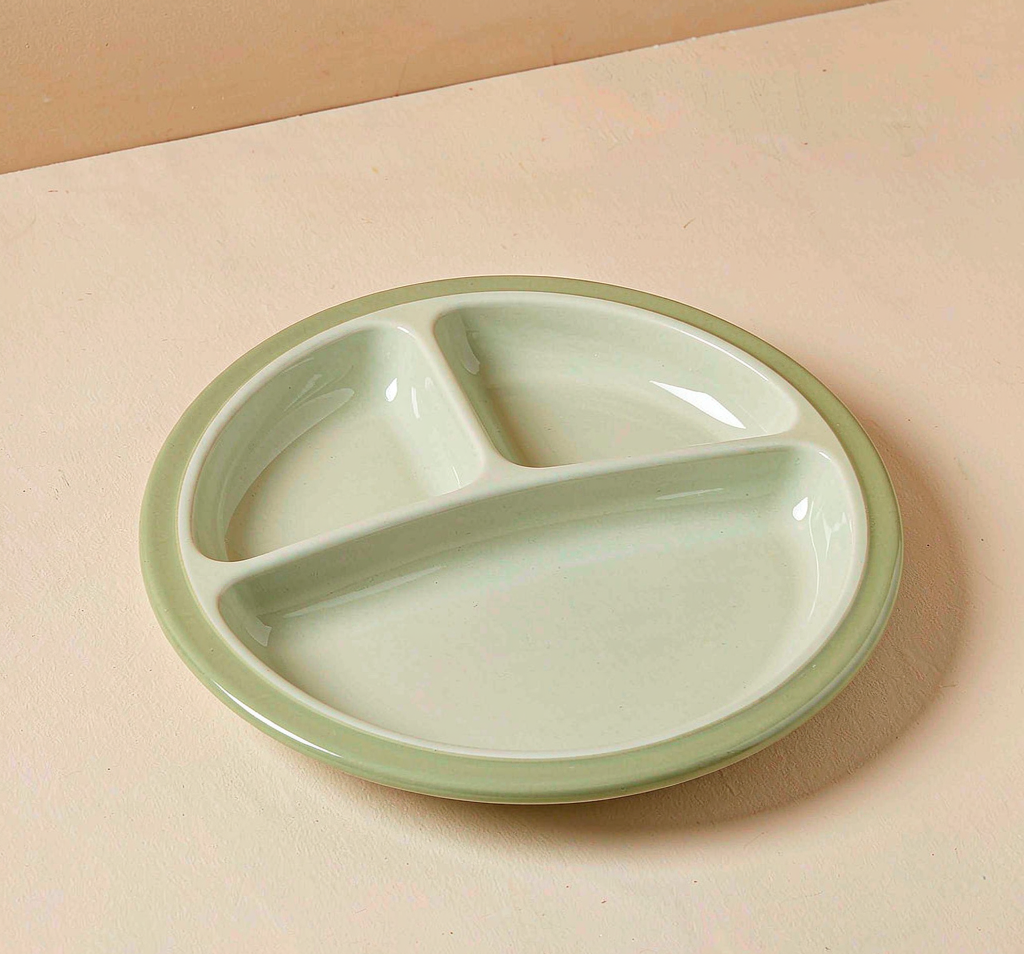
Senior care serves on trays: the tray line's geometry — the tray's compartments (the diet's mapping: the compartments that carry the care plan), the lid's system (the covered trays for the room service: the heat and the hygiene), and the delivery's choreography (the trays to the rooms: the timing that the meds' schedule shares). The geometry's discipline: the tray's id system (the resident's diet coded on the lid: the mismatches prevented), and the return's flow (the trays back: the uneaten's read — the nutrition's data). The tray line's geometry is the format's service spine: the care plan served on wheels.
The Dining Room's Dignity
The format's dining rooms fight the institutional: the dignity's design — the restaurant's registers (the real plates where the population's safety allows: the dementia tier's boundaries), the table's hospitality (the linens, the centerpieces: the home's look), and the choice's menu (the options offered: the resident's agency at the table). The design's discipline: the clinical invisible (the aids styled, the protocols silent), and the family's visit (the meal where the family dines: the fleet that hosts). The dining room's dignity is the format's product: the care that looks like hospitality.
The Staff's Workflow
Care staff serve and monitor: the staff's workflow — the intake's observation (the meal's consumption logged: the resident's nutrition read), the assistance's protocol (the feeding's support: the ware's role in the assist), and the changes' reporting (the grip's decline, the appetite's shift: the ware's adjustments requested). The workflow's discipline: the ware's role in the care team's tools (the plate's grip, the cup's spout: the OT's recommendations implemented), and the fleet's flexibility (the pieces changed as the residents' needs change). The staff's workflow is the format's human layer: the ware serving the caregivers' hands.
Frequently Asked Questions
What grip specs differ from restaurants? Built-up handles, light-but-stable plates, non-slip bases, rim leverage — sampled with the residents' hands and the occupational therapist's review: independence served daily.
How do diets change the vessels? The care plan translates to ware: texture-modified molds, diabetic compartments, swallowing-safe cups, measured portions — the tray line's map is the clinical layer.
What is the wash's difference? Infection control: sanitizing cycles logged, test strips verified, isolation protocols' separate lines — the dish room run as a clinical department.
Trays or dining rooms? Both: the tray line carries the care plan to the rooms; the dining room fights the institutional with restaurant registers — the dignity's design is the format's product.
What is the staff's role in ware? The caregivers observe and report: the intake's read, the grip's decline, the OT's recommendations — the fleet flexes with the residents' changing needs.