
Nov 1, 2026Chain Operations
Melamine Compartment Trays: Portion Control as Design
The compartment tray is the menu frozen into melamine. The guide: the divider's logic, the portion's architecture, the food's separation and the tray's fleet planning.
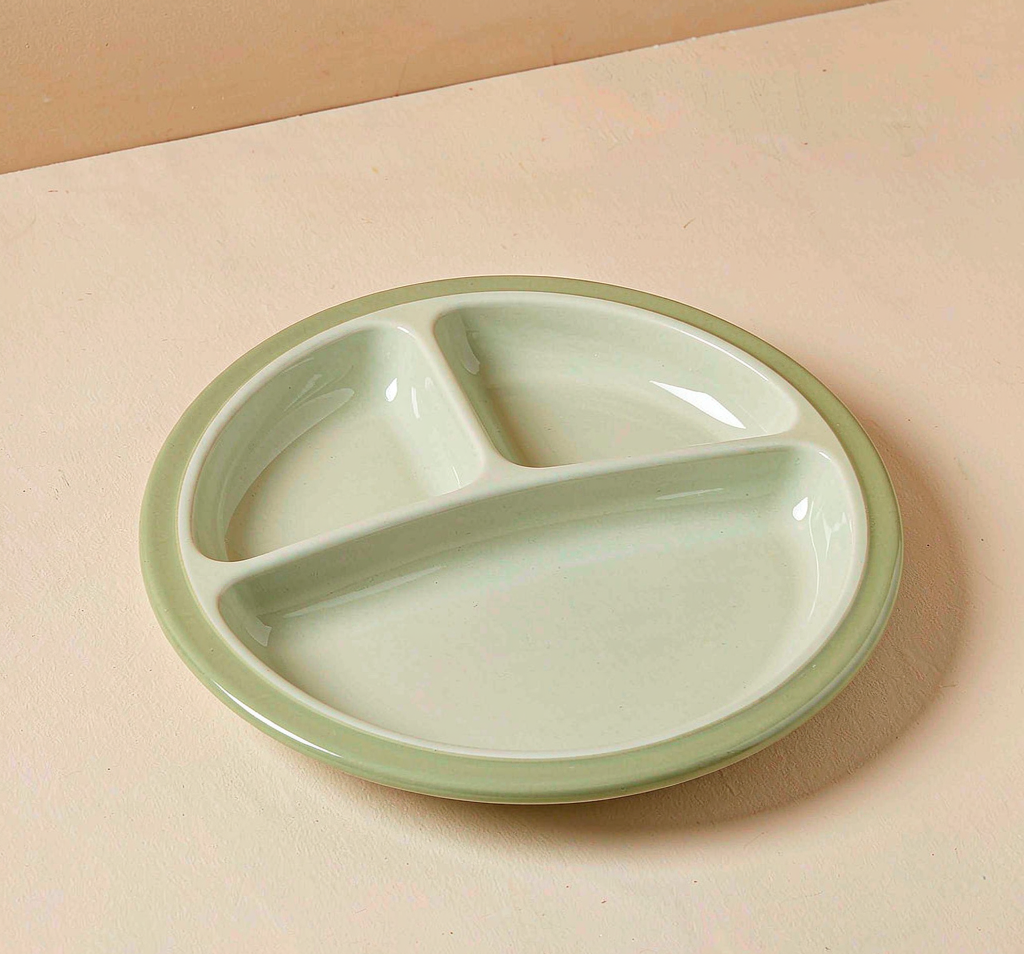
The compartment tray is the menu frozen into melamine: the divisions that portion the meal, separate the flavors, and present the composition — the tray as portion control's physical instrument. The compartment program is the institutional and fast-casual format's core ware: the divider's logic, the portion's architecture, and the fleet's planning. This guide specs it.
The Divider's Logic
The compartments serve three jobs: the divider's logic — the portion's enforcement (the compartment's volume: the serving's built-in discipline), the flavor's separation (the gravy's from the rice: the wet-dry boundary), and the composition's presentation (the meal's map: the tray as the plate's architecture). The logic's discipline: the divisions matched to the menu (the items' count and the portions' volumes: the tray's compartments as the menu's mirror), and the layout's versioning (the menu's change: the tray's fleet tied to the recipe's evolution). The divider's logic is the tray's design brief: the menu's architecture, frozen in melamine.
The Portion's Architecture
The compartments portion by volume: the portion's architecture — the compartment's capacity (each division's milliliters: the serving's spec), the size's gradient (the protein's compartment beside the starch's: the meal's proportions mapped), and the read's honesty (the portion that looks right in the compartment: the guest's value read). The architecture's discipline: the portions' specs written (the kitchen's recipes as the tray's compartments: the architecture's blueprint), and the compartments' layout tested (the actual meal in the actual tray: the composition's reality). The portion's architecture is the tray's engineering: the volumes mapped, the proportions composed.
The Food's Separation
The tray's walls manage the meal's chemistry: the food's separation — the wet-dry boundary (the gravy's and the sauce's containment: the divider's height), the flavor's isolation (the curry's from the dessert: the taste's separation), and the temperature's zones (the hot beside the cold: the tray's thermal architecture). The separation's discipline: the divider's height matched (the gravy's depth: the wall that contains), and the food's placement (the wet items' zones: the tray's layout designed for the menu's chemistry). The food's separation is the tray's physics: the walls that keep the meal's integrity.
The Tray's Fleet Planning
The compartment tray's fleet is the menu's mirror: the tray's fleet planning — the tray classes per format (the adult's tray, the kids' tray, the senior's tray: the population's fleet), the depth per meal period (the breakfast's and the lunch's trays: the day's rotation), and the attrition's budget (the breakage's and the loss's line: the fleet's annual math). The planning's discipline: the fleet's depth sized to the peak (the lunch storm's trays: the circulation's math), and the tray's lifecycle budgeted (the attrition rate: the fleet's renewal). The tray's fleet planning is the format's ware budget: the melamine fleet as the menu's operational cost.
The Wash Line's Compatibility
Compartment trays wash in the machine: the wash line's compatibility — the tray's rack (the compartment's profile in the rack's format), the food's residue (the compartments' corners: the brush's reach), and the melamine's tolerance (the machine's chemistry and heat: the material's care card). The compatibility's discipline: the rack matched to the tray (the tray's footprint: the machine's format), and the corners' brush (the residue's hiding spots: the small-ware's attention). The wash line's compatibility is the tray's maintenance: the machine's format matched to the tray's geometry.
The Menu's Tray Evolution
The compartment tray's menu changes: the tray's evolution — the new menu's tray decision (the new compartments' mold: the design's investment), the legacy tray's phase (the old fleet's exit: the transition's plan), and the tray's flexibility (the universal compartment's compromise: the tray that serves multiple menus). The evolution's discipline: the tray's change planned (the menu's transition: the fleet's change as a project), and the compromise's honesty (the universal tray's portions: the trade's acceptance). The tray's evolution is the compartment's lifecycle: the menu's changes driving the fleet's changes.
Frequently Asked Questions
How many compartments should a tray have? As many as the menu's architecture needs: three to six, with the divider's height matched to the wet-dry boundary. The tray's layout is the menu's design — frozen into melamine.
Can one tray serve multiple menus? The universal compartment's compromise: the tray that serves multiple meals trades the portion's precision for the fleet's simplicity — the trade accepted honestly or the fleet's depth increased.
What divider height contains gravy? The divider's height matched to the menu's wettest item: the gravy's depth plus the transport's tilt — the wall that keeps the meal's integrity.
How is the tray fleet's depth calculated? Covers per meal period × trays per cover × the wash turnaround — sized to the lunch storm, with the attrition's rate from the site's ledger.
What happens when the menu changes? The tray's evolution: the new menu's tray decision (the mold's investment or the universal's compromise) — the menu's change driving the fleet's change as a project.

