Nov 1, 2026Chain Operations
Cream Jugs and Milk Jugs: The Coffee's Companion
The cream jug is coffee's smallest service vessel. The program: sizes, the pour's drip physics, the cold chain and the latte-art counter's tiny pitcher.
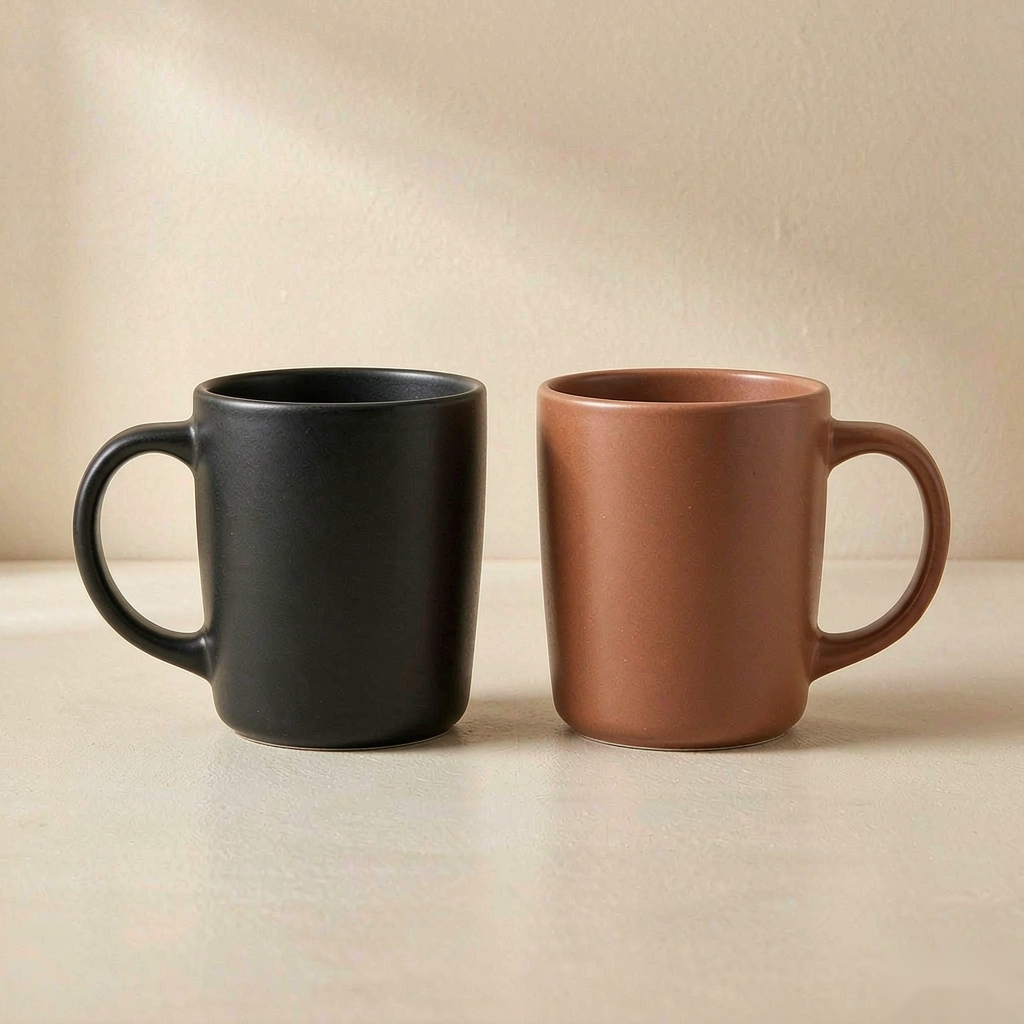
The cream jug is coffee's smallest service vessel: the pour of white that turns black coffee golden, staged at the table or poured at the pass. The cream jug program is cold-chain service in miniature — the sizes, the pour's drip physics, the cold chain, and the barista's tiny pitcher. This guide specs the companion.
The Size Ladder
Cream jugs come small on purpose: the size ladder — the individual portion jug (the single cover's two-ounce pour), the table jug (the four-to-six covers' service), and the pass jug (the counter's working vessel: the barista's volume). The ladder's discipline: matched to the service's format (the table jug for the dining room, the portion jug for the set cover), and the freshness's math (the jug emptied before the cream's window — the smaller jug refilled more often serves fresher). The size ladder is the cream's tempo: small vessels, fresh pours.
The Pour's Drip Physics
The cream jug's spout has the gravy boat's law: the pour's drip physics — the spout's return curve (the last drop pulled back: the anti-drip's geometry at miniature scale), the viscosity's factor (the cream's thickness pours differently than the milk's — the spout tested with the actual product), and the handle's control (the small handle's grip: the pour's angle managed). The physics' discipline: the spout sampled with cream (the water test lies — the fat's behavior is the spec), and the pour's repeated test (the tenth pour's drip — the curve that fails late). The pour's drip physics is the jug's whole engineering: the white that pours clean.
The Cold Chain
Cream is a cold-chain product served at tables: the cold chain — the jug's staging (the cream pulled from the fridge per service, not per day), the table's window (the cream's hours at room temperature — the food-safety's clock), and the swap culture (the jug swapped for the fresh — the top-up that mixes old and new is the safety's breach). The chain's discipline: the jug's return logged (the wash cycle's clock per fill), and the ice tier's option (the jug on ice where the service is slow — the presentation's cold vessel). The cold chain is the cream's safety law: pulled fresh, swapped clean, never topped.
The Latte-Art Counter's Tiny Pitcher
The bar's cream jug is a tool: the tiny pitcher — the latte-art pitcher's spec (the spout's precision: the micro-foam's drawing), the milk's steaming vessel (the jug that steams and pours: the pitcher's thermal role), and the sizes' classes (the twelve-ounce art pitcher, the twenty-ounce volume). The pitcher's discipline: the art pitcher's maintenance (the spout's dent — the drawing's bend), and the milk's clock (the steamed milk's window: the pitcher poured out, re-steamed fresh). The tiny pitcher is the bar's craft tool: the cream's service at drawing precision.
The Wash and Stain Line
Cream jugs wash small and stain real: the wash and stain line — the cream film's rinse (the fat's residue: the hot rinse before the machine), the spout's brush (the curve's reach), and the tea-adjacent stain (the jug that serves the tea's milk: the tannin's tint). The line's discipline: the jug's containment in the wash (the small-ware racks), and the stain's retirement (the jug the wash can't recover). The wash and stain line is the jug's hygiene: hot rinse, small racks, honest retirement.
The Presentation's Register
The cream jug families with the table: the presentation's register — the ceramic's match (the jug that matches the cups and saucers), the stainless's bar tier (the diner's creamers), and the glass's visibility (the cream's level shown — the refill's read). The register's discipline: the jug's fleet consistency (the cream service matching the coffee service), and the portion's presentation (the mini jug's elegance versus the creamer's cup: the format's choice). The presentation's register is the jug's styling: the white poured from the matching white.
Frequently Asked Questions
What size cream jug for a table? The service's format decides: the two-ounce portion jug for set covers, the four-to-six-cover jug for the table — sized so the cream's window wins (small, fresh, refilled).
What makes the spout good? The return curve tested with cream, not water: the last drop pulled back, the pour clean at the tenth attempt — the anti-drip geometry at miniature scale.
How is cream's cold chain run at tables? Pulled per service, swapped not topped, the jug's hours logged — and the ice tier where the service is slow: the cream's safety law is cold, fresh, swapped.
What is the tiny pitcher at the bar? The latte-art tool: the precision spout, the steaming vessel, the sizes per the bar's volume — the jug that draws the milk's design.
What washes cream jugs? The hot rinse for the cream's film, the brush for the spout's curve, the containment racks — and the stain line: the jug the wash can't recover retires.