Nov 1, 2026Chain Operations
Airline vs Rail Ware: Two Moving-Table Philosophies
Both serve meals on moving floors — but the tray at altitude and the tray on rails make opposite choices. The comparison: weight versus time, and what each teaches the other.
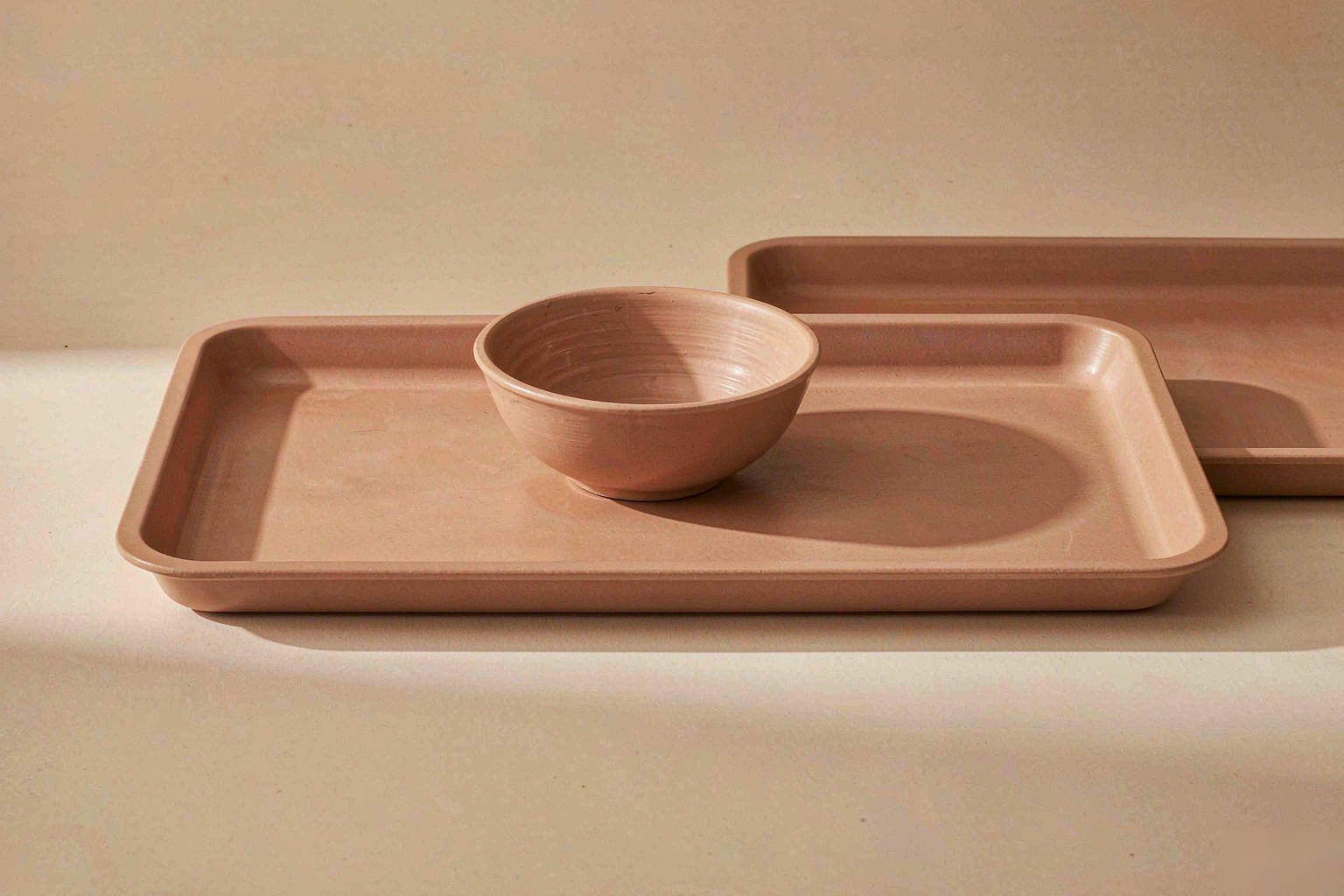
Both serve meals on moving floors — but the tray at altitude and the tray on rails make opposite choices. The airline's ware counts grams; the rail's ware counts hours. The comparison is two philosophies of the same problem: serving well while the world moves. This guide reads both, and what each teaches the other.
The Weight Versus the Time
The two formats optimize different constraints: the weight versus the time — the airline's grams (the fuel's pricing of every piece: the ultra-light tier's engineering), the rail's hours (the journey's length: the durability that survives a longer service), and the shared constraint (the moving floor: both fleets engineered for motion). The comparison's discipline: the format's constraint honored (the airline's lightness, the rail's longevity — each fleet's spec written by its physics). The weight-versus-time fork is the comparison's axis: the same tray, opposite optimizations.
The Service Window
The meal's clock differs: the service window — the airline's minutes (the cabin service's compressed choreography: trays down, cleared, descent), the rail's hours (the dining car's seated pace: courses served across the journey), and the clearing's rhythm (the airline's ground-time wash versus the rail's terminus cycle). The window's discipline: the ware's role in the clock (the airline's single-tray architecture, the rail's multi-course staging), and the fleet's depth per format (the airline's one-service rotation, the rail's journey-long circulation). The service window is the comparison's tempo: minutes versus hours, ware designed to each.
The Stowage's Different Math
Both fleets stow, differently: the stowage's math — the airline's slot precision (the galley cart's puzzle: every piece's slot), the rail's locker volume (the dining car's shelving: the cubic decimeter's budget), and the round-trip's discipline (both fleets: out and back, counted both ways). The math's discipline: the stowage tested in the actual container (the cart and the locker: the mock-up's load), and the fleet's nesting engineered (the deeper nests that buy covers). The stowage's math is the moving meal's inventory: the fleet stored as carefully as it serves.
The Motion's Engineering
The floors move differently: the motion's engineering — the turbulence's jolts (the airline's turbulence: the lids and seals), the rail's sway (the curves and switches: the grip bases and the rails' lean), and the spill's protocols (both formats: the containment designed into the tray). The engineering's discipline: the motion's test per format (the tilt-and-shake for the air, the curve's lean for the rail), and the ware's boundaries (the glass where the physics allows: the premium tiers' zones). The motion's engineering is the comparison's physics chapter: jolts versus sway, both designed against.
The Premium Tiers' Contrast
Both formats run premium: the premium tiers' contrast — the airline's first cabin (the real ceramic at altitude: the brand's tangible), the rail's dining car (the restaurant's revival: the white linen's return), and the premium's shared lesson (the guests who pay for the ticket eat from the fleet's best: the register's promise). The contrast's discipline: the premium's physics respected (the ceramic that survives the cart, the glass that rides the curve), and the register's consistency (the premium fleet's condition: the brand's face at altitude and speed). The premium tiers' contrast is the comparison's luxury chapter: the best ware, moving.
The Sustainability's Divergence
The formats answer sustainability differently: the sustainability's divergence — the airline's single-use reality (the weight's tyranny: the recyclable tiers' engineering), the rail's reusable advantage (the dish room at the terminus: the wash's return), and the honest line (each format's footprint read in its constraints: the comparison without the sermon). The divergence's discipline: the materials' choices per format (the rail's reusables, the air's engineered disposables — the physics that allows), and the claims' honesty (the sustainability told as engineering, not marketing). The sustainability's divergence is the comparison's conscience: two truths, both real.
Frequently Asked Questions
What is the core difference between airline and rail ware? The optimization: the airline counts grams (fuel's pricing), the rail counts hours (durability's demand) — both engineer against the moving floor, from opposite constraints.
How do service windows differ? Minutes versus hours: the airline's compressed choreography clears before descent; the rail's dining car serves courses across the journey — the ware designed to each clock.
Which format has the harder stowage? Different hards: the airline's slot-precise galley cart, the rail's cubic-decimeter lockers — both fleets stow tested in the actual container.
How do the premium tiers compare? Both promise the best ware in motion: real ceramic at altitude, white linen at speed — the register's promise, engineered to survive each format's physics.
What does each teach the other? The airline's weight discipline and the rail's durability patience: the moving-meal problem solved from both ends — and the lessons travel to any format that serves in motion.