
Chain Operations
The Hidden Cost of Chipped and Worn Tableware: What Guests Read at the Table
Worn tableware tells a story about the operation before the food arrives. The hidden costs of running tired tableware — and the signals guests actually read.
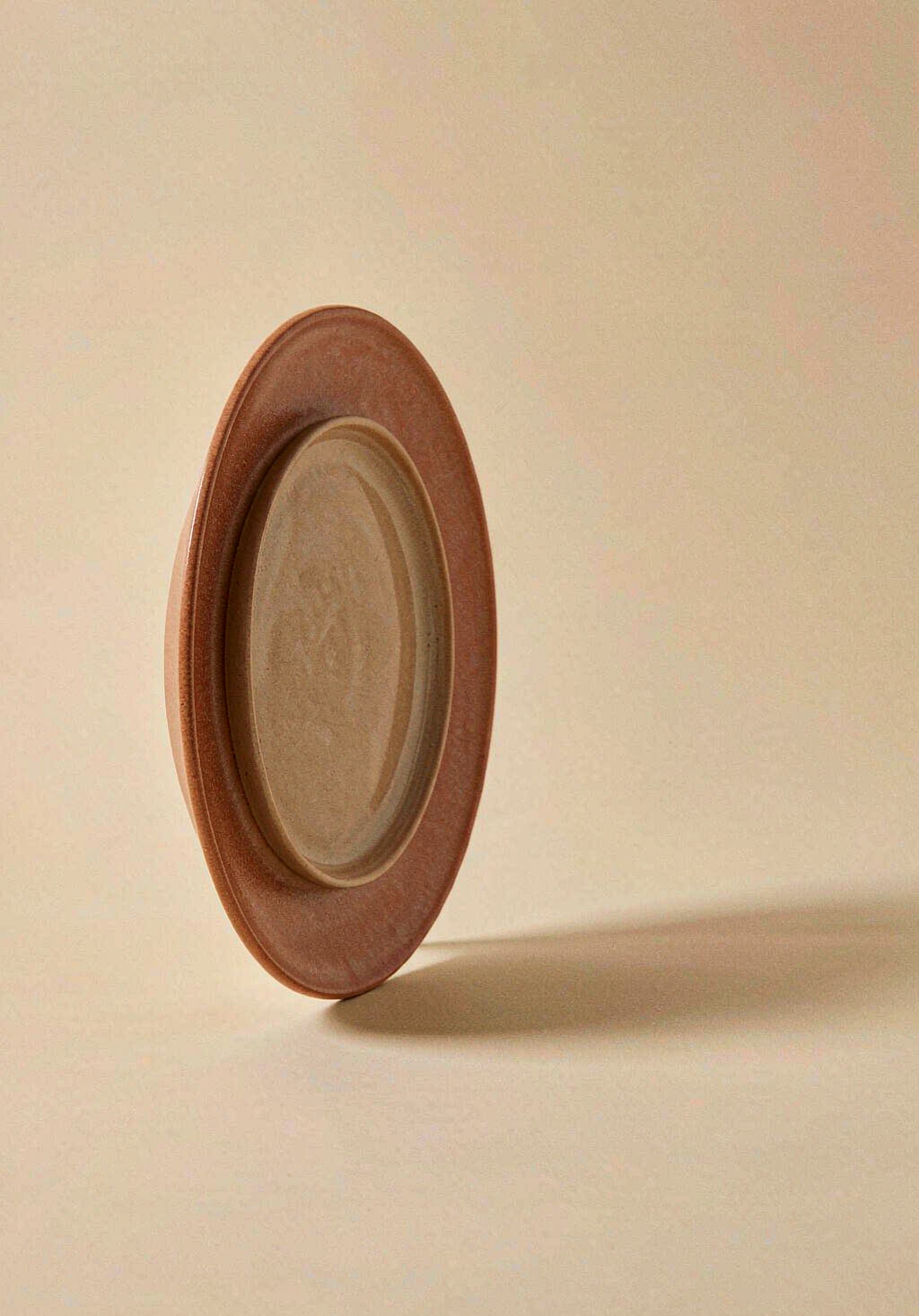
Tableware is the only part of the restaurant that every guest touches. The food changes, the menu changes, the staff rotates — the plates stay. When they stay past their presentable life, they start writing a story the operation never intended to publish: about hygiene, about standards, about how much the management cares. The hidden cost of worn tableware is not the replacement purchase — it is the reading every guest makes for free. Here is what guests actually read at the table, and how the cost accumulates before anyone counts it.
The Three Reads a Guest Makes
Tableware communicates on three channels before the food lands:
1. The hygiene read. Scratched glaze, worn melamine, and gray metal marks read as unclean — however clean the kitchen actually is. Guests cannot verify the kitchen; the plate is their evidence.
2. The standards read. A chip at the rim, a stain in a bowl, a fork tine bent — these read as management attention. The table is the one place the operation's standards are physically on display.
3. The value read. Worn tableware under a premium menu breaks the price story. The guest reconciles what they are paying against what they are holding — and tired tableware makes the price feel wrong regardless of the food.
Each read happens in seconds, without a word, and each one either supports the menu's promise or quietly taxes it.
Where the Cost Actually Accumulates
The visible cost of replacement is the small one. The accumulation happens elsewhere:
Reviews. Table condition appears in reviews with disproportionate weight — guests mention a chipped plate when they have nothing else to complain about, and the review pairs the chip with every other observation.
Menu-pricing power. A concept charging premium prices needs the table to agree. Worn tableware caps the menu's price ceiling — the guest's willingness stops where the plate's story starts.
Photo economy. Guests photograph food on tableware. Every social post carries the table's condition to an audience the operation never audits.
Staff morale. Teams notice what the operation tolerates. Tired tableware sets the tolerance baseline for everything else.
None of these appear on the P&L as "tableware" — they hide inside marketing, pricing, and turnover. The worn plate's real cost is the difference between the operation the guest experiences and the one the menu promises.
The Lifecycle: When Tableware Crosses the Line
Tableware does not fail suddenly — it crosses a presentability line gradually, and each material crosses differently:
Porcelain announces its age in chips and glaze crazing — discrete, inspectable events that the replacement program catches well.
Melamine fades and scratches gradually — the gray-to-white shift and the cutlery haze arrive slowly enough that operators adapt without noticing. The comparison test against a fresh piece, side by side, is the honest audit.
Metal marks and stains accumulate on both — and read as "old" long before the piece is structurally old.
The audit that finds the line: place one new piece of each shape beside the service stock and photograph them together. The delta the photograph shows is the delta every guest sees — amplified by daily familiarity blindness.
The Upgrade Economics: Timing the Refresh
A tableware refresh is a brand investment with a measurable trigger. The signals that the refresh has paid for itself:
The concept has repositioned (new menu, new price tier) but the table still tells the old story.
Reviews begin pairing table condition with the dining experience.
The photo test (new beside old) shows a delta a guest could see across the room.
The refresh's economics improve when it is planned rather than forced: a scheduled rotation with the buffer-stock system catches pieces before the table's average age tells a story. And the material choice shapes the next cycle — the finish families and the A-grade melamine standard each age differently, which is why the refresh planning starts at the material decision, not at the replacement order.
The Supplier's Role: Designing for the Table's Second Year
A supplier who develops for chains designs for the table's second year, not just the first delivery: glaze bodies that resist crazing, melamine grades that hold color, forms whose rims stay elegant as they wear. The factory audit question that matters here is about wear behavior in existing clients' operations — ask to hear how the product ages, not just how it photographs on delivery.
MOQs depend on the product and factory. Tell us what you need and we confirm what is realistic before you commit to anything. Refresh programs run on the same logic — the scope and rhythm are knowable from the supplier's production reality before the program locks.
Frequently Asked Questions
How often should a chain refresh tableware?
Driven by the presentability line, not the calendar: the audit test (new beside old) tells you. High-velocity concepts refresh zones annually; the trigger is the photo delta, not the season.
Is worn tableware ever a design choice?
Deliberately distressed pieces are a design decision made once and manufactured consistently. Wear that happens by accident reads differently from wear designed in — guests read intent even when they cannot name it.
What should be replaced first?
The pieces every guest touches at every visit: the mains plate and the main cutlery. The table's average condition is dragged by its most-used pieces, not its average ones.
The Takeaway
Worn tableware publishes a story about the operation on every cover — the hygiene read, the standards read, the value read. The cost hides in reviews, pricing power, and photos, and the audit is one photograph: new beside old. Run the refresh as a planned brand investment, and the table starts agreeing with the menu again.


