
Oct 27, 2026Chain Operations
Stainless Flatware for Chain Restaurants: 18/0 vs 18/10, Gauge, and Edge Finish
Flatware is the touchpoint guests hold longest. How 18/0 and 18/10 differ, what gauge means for bend resistance, and the QC checks that keep 200 stores matching.
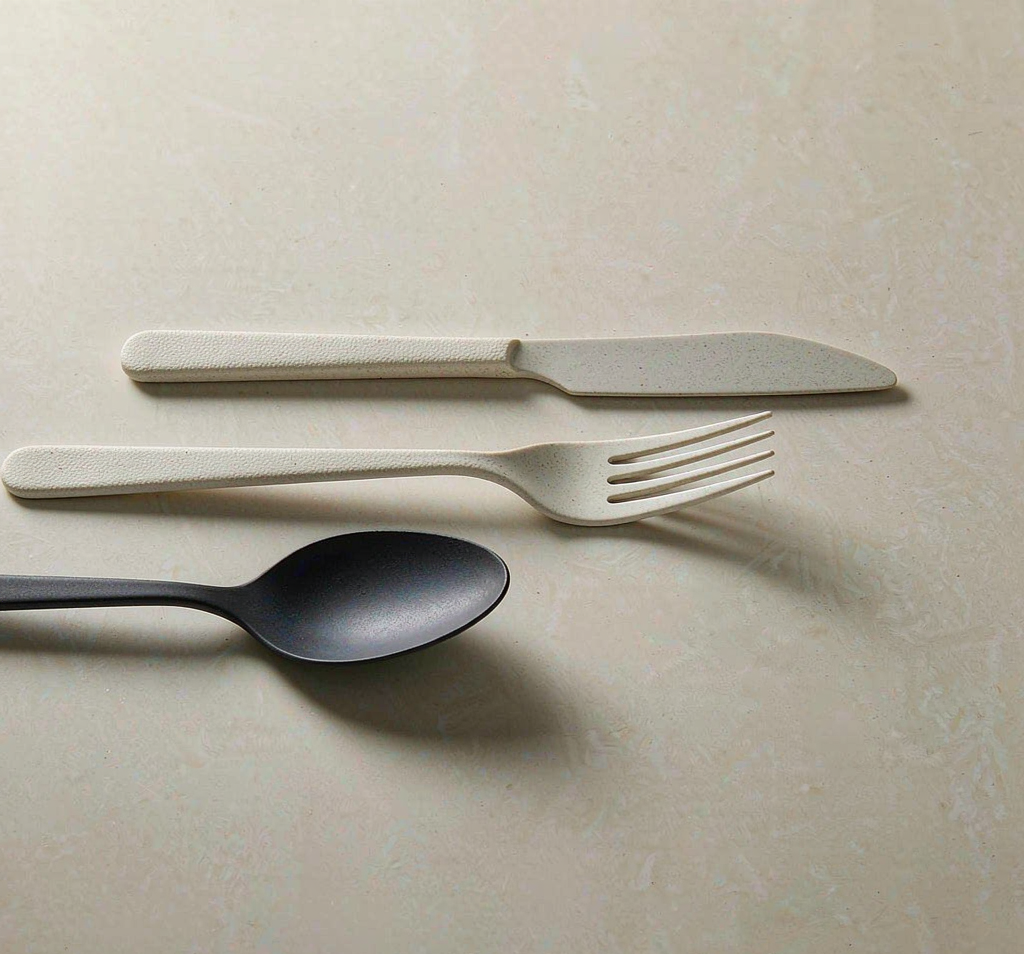
Stainless Flatware for Chain Restaurants: 18/0 vs 18/10, Gauge, and Edge Finish
Knife, fork and spoon are the only pieces of tableware a guest holds for the entire meal. Plates get looked at; flatware gets used. That is why flatware problems — bent knives, pitted forks, spoons that lost their shine after twenty dish cycles — are felt by guests directly, and why multi-store operators treat flatware specification as seriously as dinnerware.
Stainless flatware looks uniform on a shelf. In a dish pit running sixty cycles a week, the differences between grades show up within a quarter. This guide explains the numbers on a flatware spec sheet, what they change operationally, and the checks that keep two hundred stores looking identical.
What 18/0, 18/8 and 18/10 Actually Mean
The numbers describe chromium and nickel content. "18/0" steel contains roughly 18% chromium and almost no nickel. "18/8" adds about 8% nickel, and "18/10" about 10%.
Chromium builds the passive layer that makes steel stainless. Nickel stabilizes the austenitic structure, which does three things a buyer can feel: it deepens the grey-white luster, improves resistance to acid and salt corrosion, and makes the piece slightly softer to stamp and polish.
The practical trade-off is cost versus corrosion resistance. 18/0 flatware is significantly cheaper and is common in high-volume, high-loss environments such as cafeterias and quick-service chains. 18/10 is the standard for full-service dining where the fork stays on the table for years. 18/8 sits between them and is widely used for spoons and knife handles.
One quick field test a receiving team can run: 18/0 is ferromagnetic, 18/10 is not. A magnet will not catch every counterfeit, but a fork labeled 18/10 that sticks firmly to a magnet is worth a conversation with the supplier.
Gauge and Bending Resistance
Gauge in flatware usually refers to the thickness of the blank stamped from the coil. Thicker blanks resist bending at the tines and the knife neck — the two stress points where service failures concentrate.
For chain operations, the failure pattern is predictable. Knife blades flex at the bolster when guests cut steak or firm vegetables. Fork tines spread apart when the tine geometry is too shallow for the gauge. Once one tine bends, the fork scrapes plates audibly and guests notice.
Heavier gauge also survives the dish room better. Racks vibrate, pieces collide, and thin blanks accumulate micro-deformation that shows up as a wobbly knife six months in. The specification should state a minimum thickness per piece type, and a first-article sample should be measured with a caliper before the order is approved — not estimated by hand feel alone.
Weight matters too, but it is a poor proxy. A hollow-handle knife can feel substantial while the blade steel is thin. Specify gauge in millimeters and verify on samples.
Edge Styles and Finish: Mirror vs Satin
Polishing is the other half of flatware quality. Two finishes dominate chain programs:
Mirror polish reflects like glass and reads as formal. It shows scratches sooner, because every micro-scuff in the dish rack becomes visible. Mirror finishes reward suppliers with consistent, multi-stage polishing lines and punish shortcuts immediately.
Satin or brushed finish diffuses light and hides daily wear. It is the pragmatic choice for high-turn concepts, because the pieces look uniform long after a mirror finish would need refurbishing. The trade-off is that a satin finish is harder to match across batches — the brush direction and abrasive grade must be controlled or new orders look different from old stock on the same table.
For multi-store consistency, whichever finish you choose, keep reference samples: one "new" standard and one "end of life" standard, sealed and stored centrally. Receiving teams compare incoming batches against both, which turns a subjective argument about shine into a five-second visual check.
Dish Room Realities: What Corrodes Flatware
Stainless does not rust in normal use, but dish rooms are not normal use. Three mechanisms cause most flatware complaints:
Chloride pitting. Chlorine-based detergents and bleach residues attack the passive layer, producing small dark pits that grow. Rinsing thoroughly and keeping detergent concentration in spec is the operator's half; a nickel-bearing grade resists the attack longer — that is part of what the 18/10 premium buys.
Contact corrosion. When flatware sits wet and touching dissimilar metal (steel racks, aluminum pans) for hours, galvanic spots appear. The fix is procedural: run dry cycles promptly and avoid soaking flatware in pans overnight.
Scratch loading. Plates with unglazed footrings act like sandpaper against mirror-polished spoons in a rack. Specifying plates with a smooth, fully glazed foot protects the flatware above them — an interaction most specifications never mention.
A supplier that understands these mechanisms will offer grades and finishes matched to your dish chemistry, and should ask about your detergent and rack turnover before quoting.
The QC Checks That Keep 200 Stores Matching
Flatware is simple geometry, which makes systematic inspection effective. Our standard program runs three inspection stages on every batch, and the flatware-relevant checks are:
Material verification per melt batch. Spectral analysis confirms the 18/0 or 18/10 chemistry on every production batch, with records kept trilingual for buyer audits. Grade substitution is the most common flatware fraud; a spectrometer ends the argument.
Dimensional checks on first articles. Overall length, gauge thickness at the knife neck, and tine geometry measured against the approved sample.
Finish and luster comparison against sealed reference standards, under the same light at the same angle.
Bend and tine-alignment sampling on knives and forks from each lot, since these are the pieces that fail in service.
Because we show the same collection at the Tokyo trade show and ship it to chains across three continents, batch-to-batch consistency is not optional — a fork that looks different in Osaka than in Dubai is a specification failure.
Building a Specification That Survives Growth
Chains outgrow flatware programs in a predictable way: the founding set was chosen by taste, then the second order comes from a different source and the tables stop matching. The specification that survives has four parts:
1. Grade per piece type — for example 18/10 forks and spoons with an 18/0 knife blade (a common hybrid, since knife blades are hardened differently and 18/0 holds an edge better). 2. Gauge minimums in millimeters, verified by caliper on first articles. 3. Finish standard with sealed references held centrally, not just photos. 4. Reorder identity — the exact SKU code, stamped or laser-marked, so year-three reorders match year-one tables.
Point four is where laser marking earns its keep. A discrete mark inside the knife handle or under the spoon bowl lets any store manager reorder the right piece from a photo, without a catalog archaeology project.
Frequently Asked Questions
Is 18/10 always worth the premium? Not always. High-loss, high-volume environments (food courts, stadium concessions) often spec 18/0 for economics, and accept shorter replacement cycles. Full-service dining usually recovers the 18/10 premium in longevity and appearance.
Why do my knives rust but the forks do not? Knife blades are often a harder, lower-nickel steel than the fork tines — by design, because cutting edges need hardness. If the blade steel is not dried promptly, surface rust shows first there. Verify the grade on the blade separately from the handle.
Can we mix 18/0 and 18/10 on the same table? Visually, yes — a good satin finish hides the luster difference. But note the different corrosion behavior and set dish-chemistry expectations accordingly.
How do we stop new batches looking different from old stock? Sealed reference samples plus spectral verification per batch. Photos are not enough; finish control is a physical-standard process.
What is the fastest receiving check? Magnet on the fork (grade confirmation), caliper on the knife neck (gauge confirmation), and a luster comparison against the sealed standard. Ten seconds per carton catches most problems.

