Nov 1, 2026Material & Compliance
18/10 vs 18/0 Stainless Flatware: The Nickel's Difference
The flatware's numbers are the nickel's math. The comparison: 18/10's luster and corrosion edge, 18/0's economy and magnetic pull, and the grade per tier's decision.
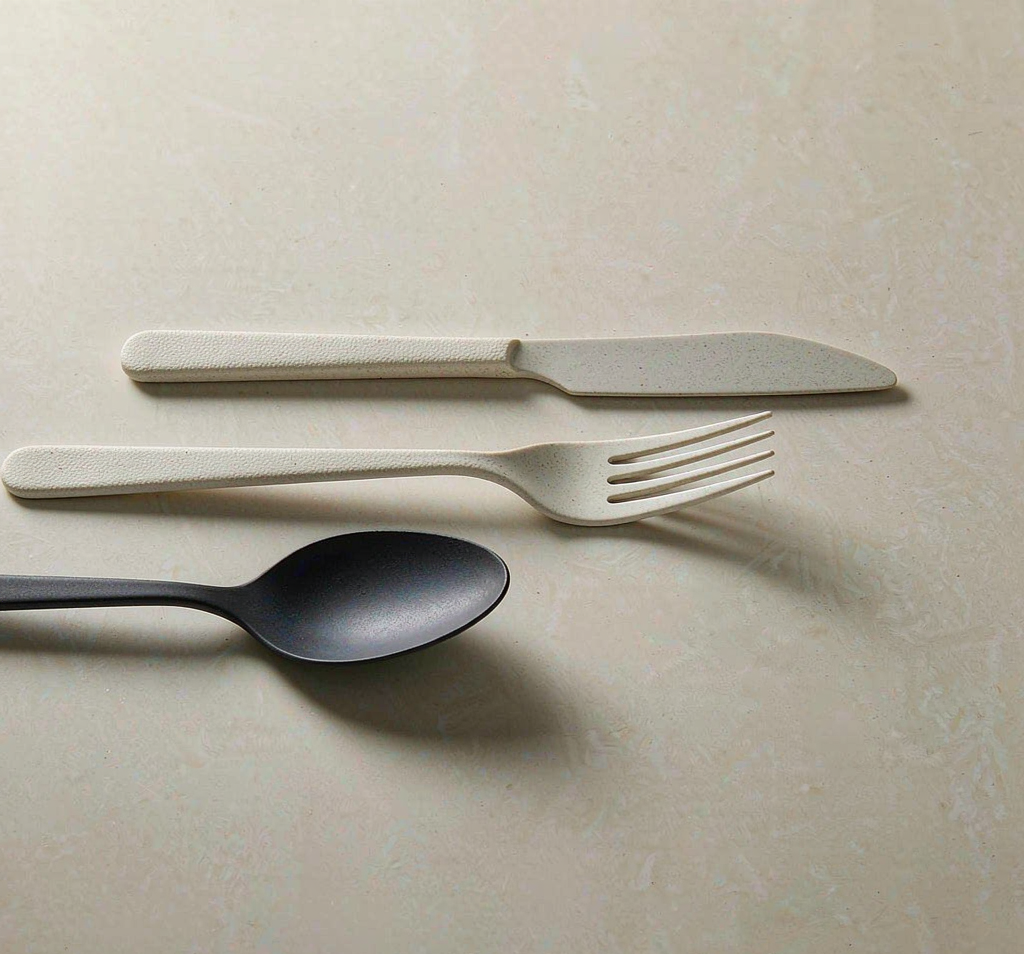
The flatware's numbers are the nickel's math: 18/10's chromium-18 and nickel-10 versus 18/0's nickel-free economy — the composition that decides the luster, the corrosion's edge, and the magnetic's pull. The flatware grade comparison is the cutlery fleet's foundational fork: the nickel's difference, the tier's placement, and the tests that verify the numbers. This guide specs the fork.
The Numbers' Meaning
The grade's recipe read: the numbers' meaning — the first number's chromium (18%: the corrosion's base), the second number's nickel (10%: the luster's and the corrosion's depth), and the 18/0's zero (the nickel's absence: the magnetic's ferritic structure). The meaning's discipline: the numbers verified (the spectrometer's read: the grade's chemistry confirmed), and the grade's properties understood (the nickel's luster, the chromium's corrosion resistance: the elements' roles). The numbers' meaning is the flatware's chemistry: the recipe that decides the fork's life.
The Luster's Difference
The nickel's visible gift: the luster's difference — the 18/10's deep luster (the nickel-rich's mirror: the premium's shine), the 18/0's flatter read (the nickel-free's utilitarian: the economy's finish), and the aging's divergence (the 18/10's luster held, the 18/0's dulling's curve). The difference's discipline: the luster tested over time (the washes' and the handling's aging: the grades' curves), and the register's match (the 18/10 at the premium's table, the 18/0 at the volume's — the tier's alignment). The luster's difference is the nickel's visible proof: the shine that the recipe buys.
The Corrosion's Edge
The nickel's invisible gift: the corrosion's edge — the 18/10's tolerance (the acidic foods' and the salt's resistance: the nickel's chemistry), the 18/0's vulnerability (the pitting's risk at the scratches: the corrosion's entry), and the dish machine's factor (the chemistry's and the heat's stress: the grades' verdicts). The edge's discipline: the corrosion's test (the salt-water's and the acid's soak: the grades' contrast), and the environment's read (the coastal's and the high-volume's demands: the 316's extension where the salt lives). The corrosion's edge is the nickel's invisible proof: the chemistry that the guest doesn't see but the fleet's life shows.
The Magnetic's Tell
The magnet reads the nickel: the magnetic's tell — the 18/0's pull (the ferritic structure: the magnet sticks), the 18/10's weakness (the austenitic structure: the magnet's indifference), and the test's utility (the incoming batch's first filter: the magnet's quick read). The tell's discipline: the magnet's test as the first screen (the full verification's spectrometer: the magnet's hint, not the proof), and the mixed fleet's identification (the grades' sorting: the magnet's tool). The magnetic's tell is the grade's quick check: the magnet's read as the verification's first pass.
The Tier's Placement
The grades serve different tables: the tier's placement — the 18/10 at the premium's cover (the fine dining's flatware: the luster's and the corrosion's investment), the 18/10 at the casual's workhorse (the volume's durability: the fleet's baseline), the 18/0 at the economy's tier (the canteen's and the event's volume: the price's point), and the mixed fleet's honesty (the grades' placements written: the spec's clarity). The placement's discipline: the tier's TCO run (the 18/10's longer life against the 18/0's replacement rate: the cost per cover's math), and the tier's consistency (the fleet's grade matching the menu's price). The tier's placement is the flatware's economics: the grade per the table's reality.
The Buying's Verification
The flatware's grade is verified, not assumed: the buying's verification — the spectrometer's analysis (the alloy's chemistry: the grade's proof), the magnet's first filter (the quick's read: the 18/0's identification), the sample's soak (the salt-water's test: the corrosion's behavior), and the weight's comparison (the nickel's density: the heavier's read). The verification's discipline: the incoming batch's sampling (the grade's check: the substitution's prevention), and the supplier's documentation (the grade's certificate: the mill's proof). The buying's verification is the flatware's quality gate: the numbers confirmed, the grade proven.
Frequently Asked Questions
What do 18/10 and 18/0 mean? The recipe: 18% chromium in both (the corrosion's base), 10% nickel in the 18/10 (the luster's and the corrosion's depth), 0% in the 18/0 (the economy's magnetic tier).
Which grade for a restaurant's flatware? The 18/10 for the premium and the workhorse tiers (the luster's and the durability's investment); the 18/0 for the canteen's and the event's volume — the grade per the table's economics.
How do you verify the grade? The magnet's first filter (the 18/0's pull), the spectrometer's proof (the alloy's chemistry), and the sample's salt soak — the verification's tools in sequence.
Does the nickel affect food safety? Both grades are food-safe: the nickel's role is the luster's and the corrosion's performance, not the food-safety's boundary — the migration's tests cover both grades.
Why does 18/0 cost less? The nickel's absence: the alloy's cheaper chemistry, the magnetic structure's simpler production — the economy's tier, honestly bounded.