
Chain Operations
Staff Training for Tableware Care: The Program That Extends Service Life
Tableware breaks in the kitchen, not at the supplier. A staff training program for washing, stacking, and busing that extends service life measurably.
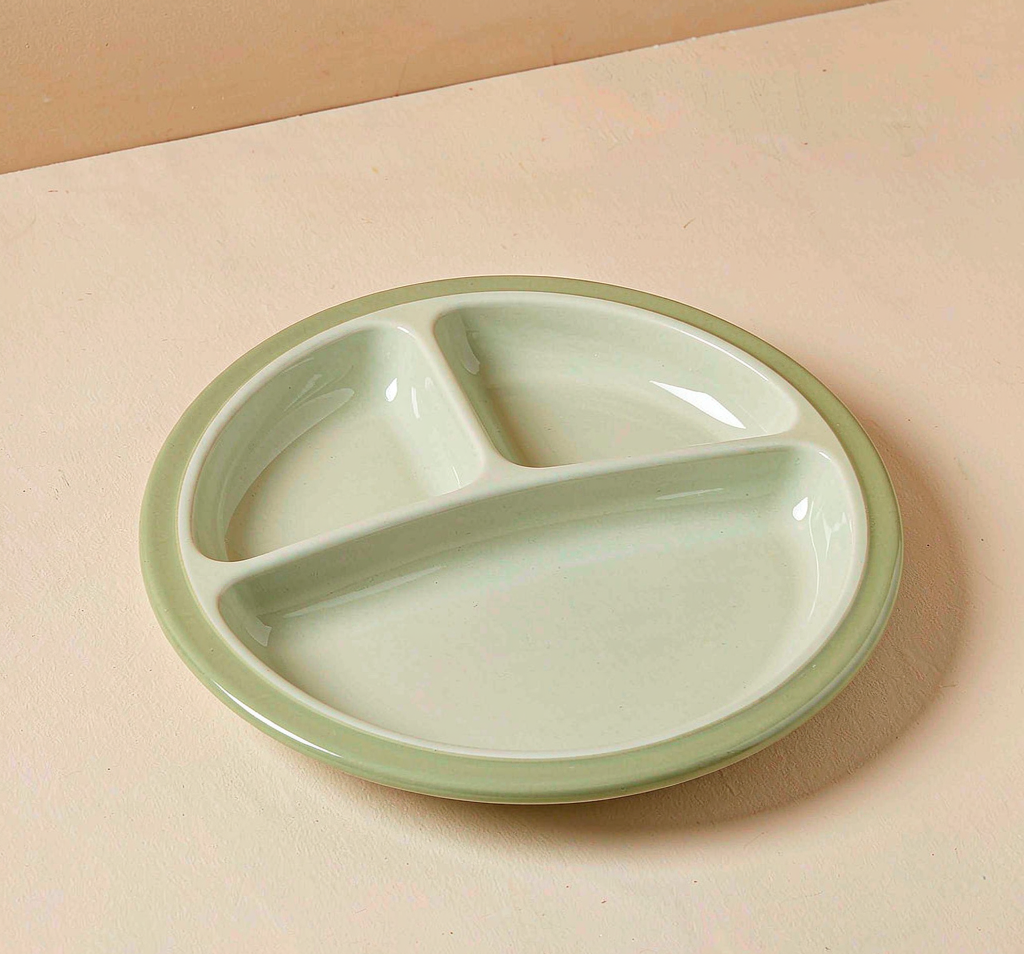
Every chipped plate in a dining room passed through at least four staff hands after it left the supplier — bussed, washed, stacked, shelved. The supplier's quality sets the ceiling; the staff program sets how close the operation stays to it. Staff training for tableware care is therefore the cheapest quality investment in the building: no purchase order changes the breakage rate as much as ten minutes of trained habit. Here is the program, station by station, that measurably extends tableware life.
Why Training Beats Buying
The arithmetic operators run against replacement: new tableware costs real money per piece, training costs one meeting. The breakage audit confirms it — most damage traces to preventable handling moments, not to wear. The moments, in damage-frequency order:
1. Busing. Plates scraped and stacked hard into bus tubs — the single highest-impact moment in the plate's life.
2. Washing. Overloaded racks, plate-on-plate contact, wrong cycles for the material.
3. Stacking and shelving. Uncontrolled stack heights and hard shelf surfaces.
4. Setup. Fine pieces dragged across counters during place-setting.
A training program attacks these four moments in order of damage frequency — and the payoff compounds: fewer chips mean fewer inspections flagging chips, mean fewer replacements, mean the buffer stock lasts its planned cycle.
Station One: Busing — Where Most Damage Is Born
The bus tub is where tableware meets its highest impact energy. The trained habits:
Never pre-stack by scraping. Plates scraped edge-to-edge against a tub rim chip at the exact rim position guests see. Scrape into the tub, not across it.
Layer discipline. Plates stack flat in tubs of matching diameter; bowls never nest inside plates mid-shift.
The tub itself matters. Deep tubs with flat bottoms and dividers cut impact energy before the wash even starts. The tub is part of the tableware program — buy it like it is.
Two minutes of busing training, demonstrated once with real plates and a real tub, changes the behavior for a shift. Reinforce it in the weekly rhythm and it changes the year.
Station Two: The Dish Machine — Load and Cycle Discipline
The dish pit breaks tableware through physics: racks too dense, cycles too hot for the material, chemicals too aggressive for finishes. The trained discipline:
Material | Rack Rule | Cycle Rule |
|---|---|---|
Porcelain | Compartment racks or plate pegs, never flat-stack | Standard cycle; check rinse temperature |
Melamine | Racks that stop plate-on-plate contact | Avoid high-heat final rinses beyond spec |
Glassware | Upright in open compartments | Never nested with plates |
Wood and mixed | Hand-wash zones | Keep out of machine cycles entirely |
The machine program is a fixed reference the staff learns once: which rack, which cycle, which material. Our guide to melamine and the commercial dishwasher covers the material-machine interaction in depth — the staff program is the habit layer on top of it.
Station Three: Stacking and Shelving — The Slow Damage
Stacking is where slow damage accumulates: rim grinding, glaze micro-scratching, and the chips born from stacks pushed past their stable height. The trained rules:
Stack by design. Every piece has a designed stack height; the shelf labels state it. "Until it looks full" is how stacks fall.
Shelf surfaces are part of the program. Felt-lined or rubber-matted shelves cut the impact of every set-down.
Heavy below, light above. Not just for safety — heavy porcelain stacks crush whatever sits beneath them.
Making the Program Stick
Training that sticks has three components: demonstration (habits transfer by watching, not by memo), a written one-pager per station (the standard survives staff rotation), and a named owner (the program drifts without one). The monthly table audit — the same walk-through that catches chips before guests — doubles as the training refresher: the audit's findings become the next week's ten-minute huddle.
The supplier joins the program too: the material choice sets what the training emphasizes. Porcelain demands rim-care and stacking discipline; melamine demands heat-cycle awareness; each material's care sheet from the supplier becomes a training slide. Our factory audit checklist includes the supplier's own care documentation — ask for it at ordering, train from it at launch.
Frequently Asked Questions
How long is the training?
Ten minutes per station, demonstrated with real pieces — busing, dish pit, stacking. The length is the point: short programs get repeated, long ones get skipped.
Does training actually change breakage numbers?
Measured across operations, yes — the busing moment alone accounts for a large share of preventable damage, and it is the cheapest moment to fix. Track breakage for two weeks before and after the training; the delta funds the program.
Should the training differ by material?
The stations stay the same; the material rules change. A porcelain program emphasizes stacking care; a melamine program emphasizes heat discipline. Train from the supplier's care sheet for your specific set.
The Takeaway
Tableware life is decided in four staff moments: busing, washing, stacking, setup. A ten-minute-per-station training program — demonstrated, written, owned — keeps the service standard where the supplier set it. The cheapest quality control in the building is a habit.


