
Oct 29, 2026Chain Operations
Stadium and Arena Concessions: Tableware for 90-Minute Surges
Stadium service is a 90-minute pulse twice a week. The spill-proof ware, reusable-disposable mix and clear-down wave that survive a full stand.
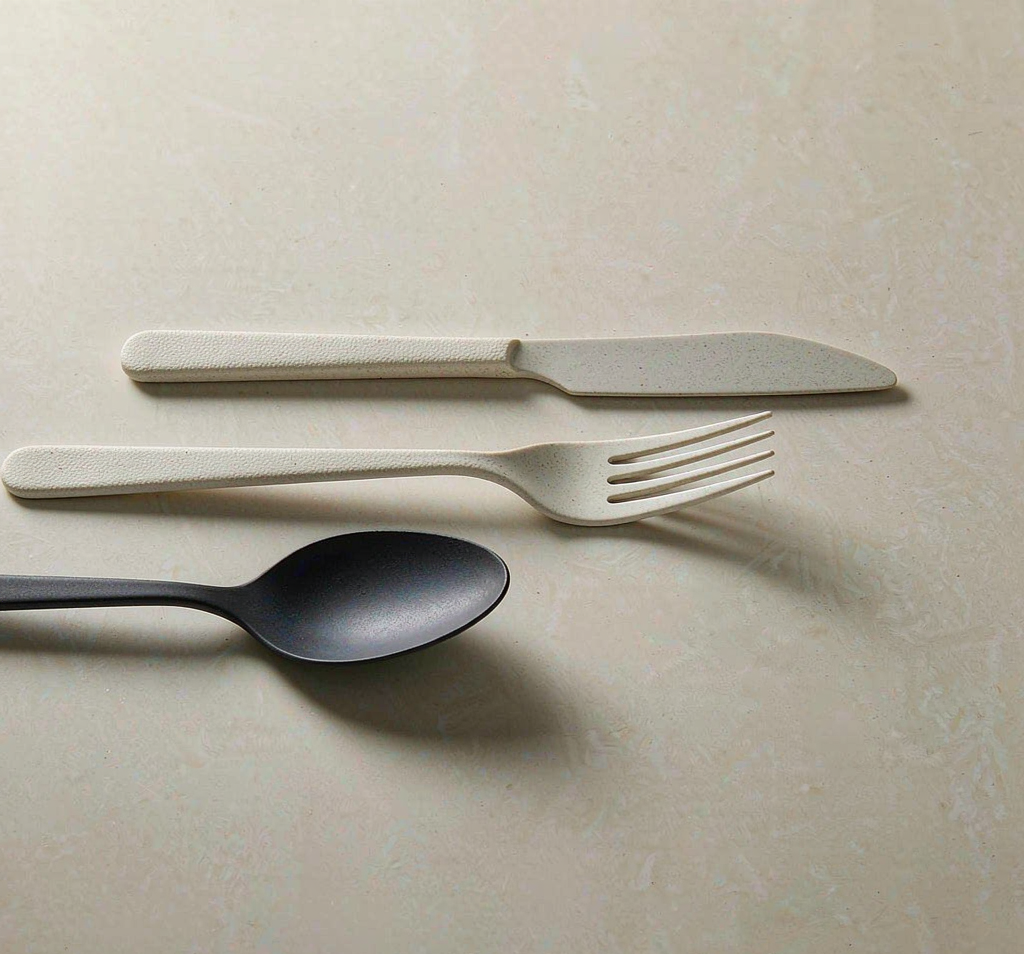
Stadium service is unlike any restaurant format: demand arrives as a pulse — a wall of orders in the hour before kickoff and another at halftime — then vanishes. Guests eat standing, carry everything themselves, and leave on a schedule. The ware program answers to three constraints no dining room has: speed of handoff, survival of the standing eat, and a clear-down measured in minutes against a hard clock.
The Surge Profile
The pulse shapes everything. Staffing scales to the surge; storage scales to the stand's underbelly; and the ware must flow — out in a torrent, back in a wave. The fleet math is per-event, not per-day: pieces in circulation equal the surge's covers times pieces per cover, with the whole fleet turning inside the event window. Ware that cannot wash-and-return within the event either gets deep enough fleets for one-pass duty or gets designed out.
The spec question is brutally simple: can this piece complete its full cycle — serve, eat, clear, wash, restack — twice inside one event? If not, it is disposable-class ware, whatever it is made of.
Reusable Versus Disposable Mix
The mix is an economics and brand decision made per item:
Item class | Working choice | Why |
|---|---|---|
Drink cups | Disposable, always | Volume, lids, speed, security rules |
Nacho / fry boats | Disposable | Grease load, one-pass economics |
Premium lounge ware | Reusable ceramic-family | Seated service, dish room nearby, register |
Souvenircups | Reusable-by-design plastic | Guests keep or return them; brand surface |
The premium tier — clubs, suites, hospitality decks — runs a real restaurant program indoors, with ceramic and glass and a dish room. The general concourse runs disposable engineering. The mix is deliberate, zoned, and priced into the ticket tiers — not a compromise but a map.
Spill-Proof by Design
A concourse is a spill amplifier: crowds jostle, hands are full, floors are hard. Ware engineered against it:
Lids on everything liquid — straw-slot lids for cold drinks, sip lids for coffee, a lid on every sauce cup sold over the counter.
Deep boats and high walls for nachos, fries and sauced items — the walking portion eats while moving.
Cup carriers and trays that work one-handed — the guest's other hand holds a phone.
The test is the concourse walk: buy the menu's messiest item, carry it through a crowd simulation at walking pace, and see what arrives. Design for the jostle, not the tray table.
Eating While Standing
Standing diners need one-hand food and self-contained vessels: boats that are their own plates, cups that are their own bowls (nacho trays with built-in sauce wells), skewers and sticks that need no plate at all. The ware spec is portion architecture in miniature — every vessel carries its own structure so the guest never needs a table that does not exist.
The Clear-Down Wave
Full time triggers the format's least glamorous engineering: an entire stadium's ware hits the ground in twenty minutes. The systems that make it survivable:
Trash and return streams separated at the seat — cups to one stream, everything else to another; contamination is what kills reuse economics.
Return points sized to the exit flow — guests return souvenir cups where they already walk.
A wash capacity that runs overnight — the clear-down wave feeds a dish operation that has until tomorrow's event to reset.
The clear-down is also the audit moment: what came back, what broke, what walked. The per-event count is the format's inventory rhythm.
Storage Under the Stand
Concourse storage is the space no architect wasted. Ware must stack to structural density: cups that nest to extreme depth, boats that interleave flat, lid families that share footprints. The buy test is the actual storage room — build a mock shelf bay, stack the fleet, count the events one bay serves. Ware that stores densely buys event capacity without buying square meters.
Glass-Free Rules and Substitutes
Most venues ban glass on the concourse — security and safety first. The substitutes carry the register instead: high-clarity polymers for the premium zones, real glass only where the venue zones allow it (suites, club interiors with controlled access). The polymer choice matters at the premium edge: a cloudy, scratched "glass" reads worse than a deliberate tumbler; premium zones should spec polish-holding, dishwasher-stable clearware and retire it on appearance.
The Vendor Mix and Portable Stands
Stadiums run employee concessions and visiting vendors — portable carts, pop-up counters, third-party stalls — and the ware program must stretch across both. The core fleet (boats, cups, lids) should be standardized chain-wide so any stand can serve any menu item; vendors bring their own specialty ware under the venue's rules (glass-free, lidded, one-hand formats). The portable stands also stretch the storage question: their ware lives in cages and rolls to position, which favors the flattest, densest-nesting pieces in the whole fleet.
Frequently Asked Questions
Why can't stadiums just run reusable ware everywhere? The event clock: every reusable piece must complete its cycle inside the event or need massive buffer fleets. Concourse volumes and clear-down speeds push most items to engineered disposables; seated premium zones with real dish rooms run reusable economically.
What makes concourse ware different from restaurant ware? The standing eat and the jostle. Everything is one-handed, high-walled, lidded, and drop-tolerant. Design for walking crowds, not tray tables.
How does the clear-down actually work? Separated streams at the seats, return points on the exit paths, and an overnight wash window. The per-event count at clear-down is the inventory system.
What is the biggest ware mistake in stadium projects? Buying for the average day. The pulse is the design case — fleets, storage and wash all scale to the surge, or the third quarter runs empty.
How do premium zones keep a restaurant register? Zoned rules: real ceramic and glass inside controlled-access areas with dish rooms nearby, high-clarity polymer where the concourse begins. The register lives at the boundary.

