
Oct 29, 2026Chain Operations
Institutional Catering Tableware: Schools, Hospitals and High-Volume Dining
Schools and hospitals run the highest-volume dish cycles in food service. How to spec compartment trays, grip-safe ware and fleets built for abuse.
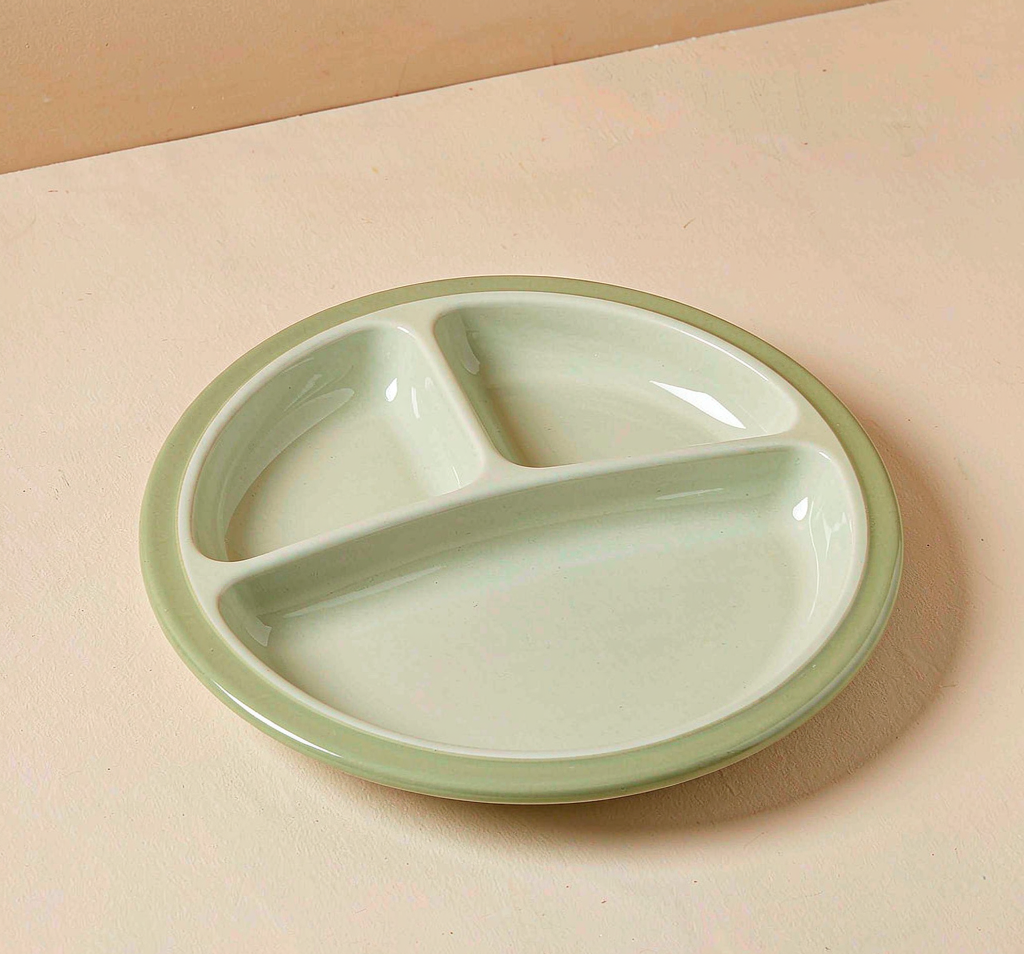
Institutional catering — schools, hospitals, staff canteens, care homes — runs the heaviest dish volumes in food service and the least forgiving audiences. The diner did not choose the dining room; the tray arrives whether they are hungry or not. The tableware program answers to three masters at once: the serving line's speed, the dish room's capacity, and the diner's dignity.
Get the program right and thousands of meals a day move through a washing cycle that never ends. Get it wrong and the failure shows up as slower lines, broken trays, and guests who eat less because eating is awkward.
Compartments as Menu Architecture
The compartment tray is institutional dining's core vessel. Its divisions do three jobs: enforce portion architecture, keep wet and dry foods separated, and present the meal as a composed plate rather than a pile.
The sourcing questions are concrete. How many compartments does the menu actually need — three, four, five, six? Do the dividers run high enough to hold gravy from crossing? Is one compartment sized for the dominant starch while another holds the vegetable program? Compartment layouts freeze the menu's shape into the tray; changing the menu later means changing the tray fleet, so the layout deserves menu-development discipline, versioned like a recipe, not a catalog pick.
The Dish-Room Volume Problem
Institutional dish rooms wash by the tray-load, in pulses — breakfast, lunch, dinner — with lunch the storm. The tableware specs that decide whether the dish room keeps up:
Stack depth per rack. Trays and plates that nest deep buy rack capacity. Every extra piece per rack is multiplied by the day's volume.
Rack stability. Pieces that tip in the rack wash dirty and get rewashed twice. A stable foot and a self-draining shape are throughput specs.
Thermal tolerance. Institutional wash machines run hotter and harsher than restaurant units. Glazes and polymers must hold up across thousands of cycles, not hundreds.
The volume math also drives the fleet: pieces in circulation equal covers per meal period times the wash turnaround. A fleet sized to the lunch pulse, not the daily average, is what keeps the line serving while the dish room catches up.
Grip, Dexterity and Safety
Institutional diners include children, elderly guests, and patients with limited grip or tremor. Tableware can make eating independent or make it assisted. The specs that matter:
Weight without heaviness. A piece light enough to lift with limited grip but stable enough not to slide when pushed.
Non-slip bases that hold the plate against a nudging elbow.
Rim leverage — a lip a spoon can brace against for one-handed eating.
Mug handles sized for swollen or bandaged hands, not for design elegance.
In care settings, these specs are clinical adjacents: a plate a resident can hold keeps dignity on the menu. Buyers should sample-test with the actual population — a nurse's or teacher's opinion of "easy to hold" is not data.
Material Choices for Abuse Cycles
Institutional ware lives an abuse cycle: dropped trays, stacked chairs on plates, dish machines at maximum. The material field:
Material | Strength in abuse cycles | Watch-out |
|---|---|---|
Melamine | Near-unbreakable at drop heights; light for tray carries | No oven or open-flame duty; retire when glaze wears matte |
Polypropylene trays | Survives drops and stack abuse; lightest | Lower heat ceiling; stains with curries and tomatoes over time |
Vitrified ceramic | Premium register, oven-safe | Chips and breaks; weight loads the tray carry |
Stainless compartments | Indestructible; clinical register | No microwave; clatter and heat conduct to hands |
The selection is positional: melamine and PP for the volume lines, ceramic where the dining room needs a restaurant register, stainless where infection-control or grill-adjacent duty demands it.
The Serving-Line Speed Path
A serving line moves at the speed of its slowest tray. Tableware shapes that speed: compartment trays that slide along rails without rocking, bowls that pick up in one grab, cups that rack beside the plate in the same tray. The line's layout and the tray's geometry should be designed together — a tray that needs two hands at the entrée station slows every guest behind it.
Edge design matters here too. Round corners and smooth edges protect the children and the staff who handle a thousand trays a shift; sharp mold lines are a glove-tear and a scratch risk in one.
Color Coding the Line
Institutional lines use color as an operations language: tray colors for meal types or diet orders, lid colors for allergen-controlled trays, utensil colors for special diets. In hospitals the color system can carry clinical meaning — which makes color consistency across the fleet a safety spec, not a styling one.
The buying discipline mirrors any color-managed fleet: one color standard per code, per-batch comparison against a sealed reference, and a retirement rule for pieces whose color has faded out of the code.
Annual Cycle and Fleet Depth
Institutional fleets follow the calendar — school years, hospital censuses, seasonal programs. The fleet math runs on peak census, not average, and the buying rhythm should be annual and planned: a fleet review before the school year or the high season, sized from the year's actual loss and breakage data.
The quiet failure is gradual under-fleeting: every year a few more pieces break than are replaced, until the lunch pulse runs out of trays and the line improvises. A published par per site, checked twice a year, turns that slow bleed into a purchase order.
The Trash and Lost-and-Found Loop
Institutional ware returns through channels restaurants never see: the trash bin (a tray bussed with paper waste), the lost-and-found (a mug left in a classroom), the playground and the ward. The program should name these channels in the closing routine — a ten-second trash-bag glance, a lost-and-found bin on the returns shelf — because institutional formats lose more ware to misfile than to breakage. The annual fleet review should read the loop's numbers: what the trash reclaim saved, what lost-and-found returned, and what the channels still swallowed.
Frequently Asked Questions
How many compartments should an institutional tray have? As many as the menu architecture needs and no more — typically three to six. Each compartment freezes a menu decision into the tray fleet, so layouts change as menu-development decisions, not catalog picks.
Is melamine the right material for schools? For the volume lines, mostly yes — it survives drops, carries light, and washes hard. Respect its heat boundaries: no oven or lamp-held duty, and retire pieces whose surfaces have worn rough.
What makes a tray line faster? Tray geometry that works with the rail: no rocking, one-grab pickups, and a rack plan that matches the tray's shape. Speed is a spec, not a staffing level.
How do we size the fleet? Covers per meal period times the wash turnaround, sized to the lunch pulse. Then carry a loss factor from the site's own breakage data.
What is the most overlooked institutional spec? Grip. A plate a child or patient can hold independently changes the meal's dignity — and it is testable at sampling with the real population, not with a purchasing committee.

