Chain Operations
Sake Vessel Programs: Tokkuri, Guinomi and Warm Service
Sake service is a temperature-controlled ritual with its own vessel set — flasks that take heat, cups that vanish, and the warm-service discipline that carries the format's margins.
Sake service is the highest-margin beverage on most Japanese menus and the most vessel-intensive: the tokkuri flask, the guinomi and ochoko cups, the warming equipment, and a temperature discipline that runs from snow-chilled to hot. The program behind it is small in floor space and demanding in detail — and the format's vessel decisions decide both the theatre and the losses.
This guide covers the sake vessel set, the warm-service path, and the fleet disciplines for concepts running sake at scale.
The Vessel Set
The tokkuri. The flask — narrow neck, bulbous body, the sake program's visual signature. Its specification questions are thermal first: warm service heats the flask (water bath or microwave-by-format), so the body must take the warming cycle without thermal-shock failure — the vitrified-body discipline our kiln and glaze guides define. Capacity classes follow the menu's pour sizes; the neck's pour behavior (drip-free) is a sampling test, not a catalog promise.
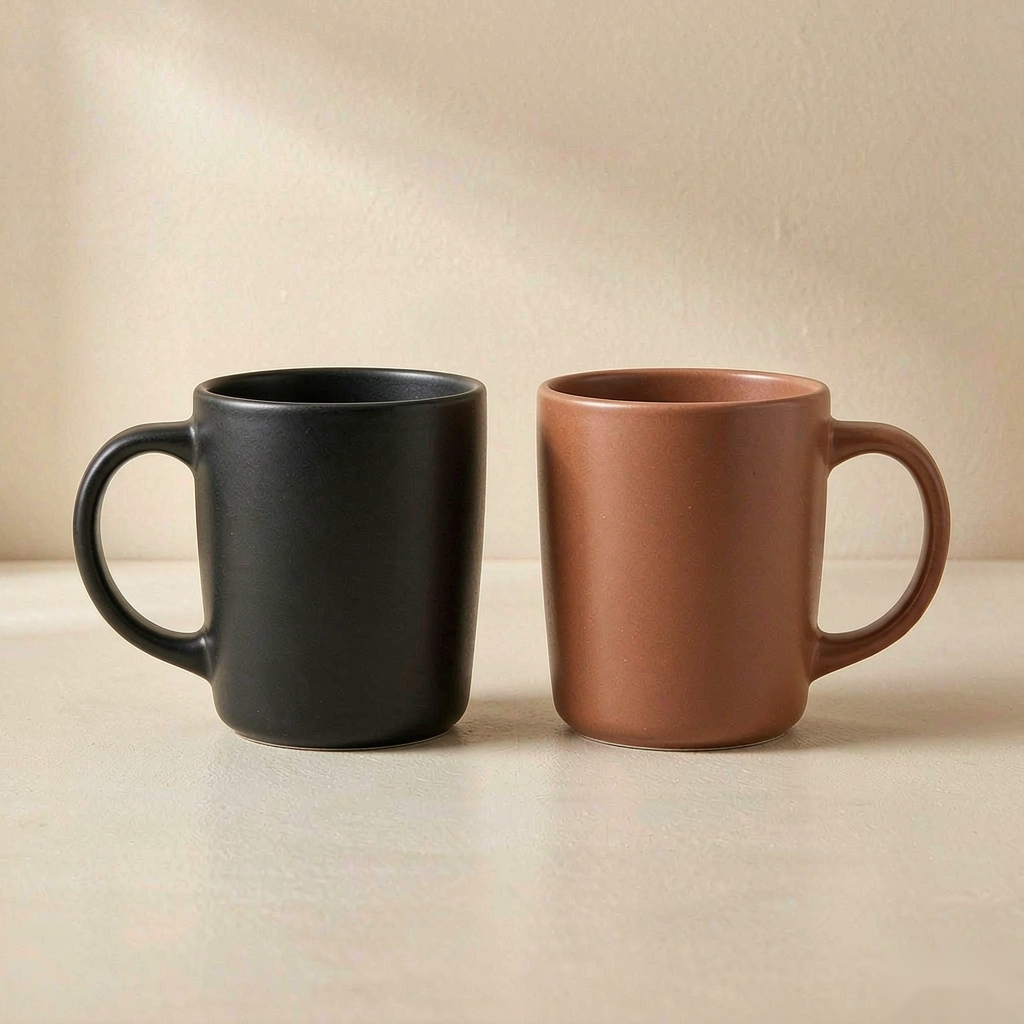
The guinomi and ochoko. The cups — guinomi the slightly larger, more personal format; ochoko the smaller shared-serve cup. They are the smallest pieces in the building and the most stolen: the take-home stream that hits flatware hits sake cups harder, and the par arithmetic (our par-level guide) runs them on count-based physical audits, not assumption.
The tasting flight tier. Premium programs run flights — the cup sets that present comparisons. Flight formats add a presentation piece (the tray or stand) and a matching burden; they run as the merchandising tier, like the dessert formats' showpieces.
The chilled tier. Cold sake runs glass (the visibility of a fine ginjo's clarity) and the chilled-bottle service — crossing into the beverage program's glassware disciplines, our tumblers guide covers the material logic.
Vessel | Duty | Fleet character |
|---|---|---|
Tokkuri | Warm/chill service, the pour | Thermal-cycle spec, drip test |
Guinomi/ochoko | The drink | Highest loss rate, count pars |
Flight sets | Premium presentation | Merchandising tier, matching |
Chilled glass | Cold sake | Beverage glass economics |
The Warm-Service Path
Warm sake is the format's signature service and its operational discipline:
The warming method sets the vessel spec. Water-bath warming (the traditional, gentle path) takes the flask to temperature through hot water — the body spec is thermal cycling against water heat. Microwave warming demands microwave-rated formats — a materials tier change, exactly the bento guide's reheat fork. The method decision precedes the purchase order; the fleet follows the kitchen's physics.
The temperature tiers carry the menu. Sake's warm service runs tiered — warm-adjacent tiers through properly hot — and each tier presents differently in the same vessel. The service chart (which sake at which temperature) is menu knowledge; the fleet's job is delivering it consistently, which the warming equipment's throughput sets at peak.
The carry path. A hot flask crossing a dining room is a small logistics event: the tray, the flask's grip-ability at temperature, and the guest-side placement (the tokkuri's foot on what surface, at what heat). The underliner habit from our steamer guide applies — the surface beneath a hot flask is part of the service.
Safety and quality at the extremes. Over-heating degrades sake (the flavor chemistry collapses at excessive temperatures) and stresses vessels; the service chart's upper tier is a discipline, not a suggestion. The program that warms by feel instead of chart delivers inconsistency at the format's premium point.
The Loss Economy
Sake cups run the program's loss economics:
Theft and souvenir streams. Small, attractive, tradition-rich — guinomi leave at retail-adjacent rates. The responses are structural: count-based pars on physical audits, the deliberate retail channel (sell the cups, as our small-plate library notes for its pieces), and replacement stock aligned to the loss log's actuals.
Breakage class. Cups break as small pieces do — in the wash, in the carry, on the table — and their fleet counts run hot per pour served. The par buffer for sake cups runs deeper than any equivalent-size piece for exactly this compounding.
The matching burden across time. A cup fleet replacing in ones and twos drifts — the generation-change discipline from our flatware finish guide applies (retire tiers, not pieces), or the sake service presents mismatched cups the way a mismatched flatware drawer would.
Program Notes
Pair the purchase with the equipment. The vessel fleet and the warming equipment specify together — the method decision upstream of both, per the warm-service path.
Run the cold tier honestly. Chilled sake's glass economics follow the beverage program's zoning logic (premium seated service tolerates glass where family concepts go durable); the sake shelf's range decides how deep the cold tier runs.
Merchandise deliberately. The cups guests want to take are cups guests want to buy — the retail decision (packaging, labeling, the compliance edge our program guides flag) turns the loss stream into a revenue line where the concept's register supports it.
Keep the reference pour. The pour size per vessel class, photographed and posted, holds portion consistency across stores — the same photo-standard discipline as every fleet's presentation.
Frequently Asked Questions
Can one tokkuri format serve the whole menu? Warm programs standardize one or two flask formats and let the sake carry the variety — the vessel is the delivery system, not the differentiation. Cold service widens the format list by the glass tier.
How hot is too hot for warm sake? The service chart's tiers exist because flavor degrades at the top — the program's discipline is temperature respect, and the fleet's job is making the correct tier easy to deliver.
Why do our sake cups never match anymore? Piecewise replacement drift — the fleet aged in ones and twos. Retire by tier and replace by batch: the generation discipline from the flatware program, applied to the smallest pieces in the building.
Glass or ceramic for cold sake? Glass for the clarity presentation (ginjo's register), ceramic for durability and the traditional note — the zoning answer, split by the concept's service tier.
What is the program's most underweighted spec? The tokkuri's pour behavior — drip-free necks are a sampling test, and the pour is the service's most repeated gesture.