
Oct 27, 2026Chain Operations
Retail Packaging for Tableware and Hardware: Three Tiers from Blister to Gift Box
Packaging changes perceived quality as much as the product. The three retail tiers, what each must survive, and the compliance printing that varies by market.
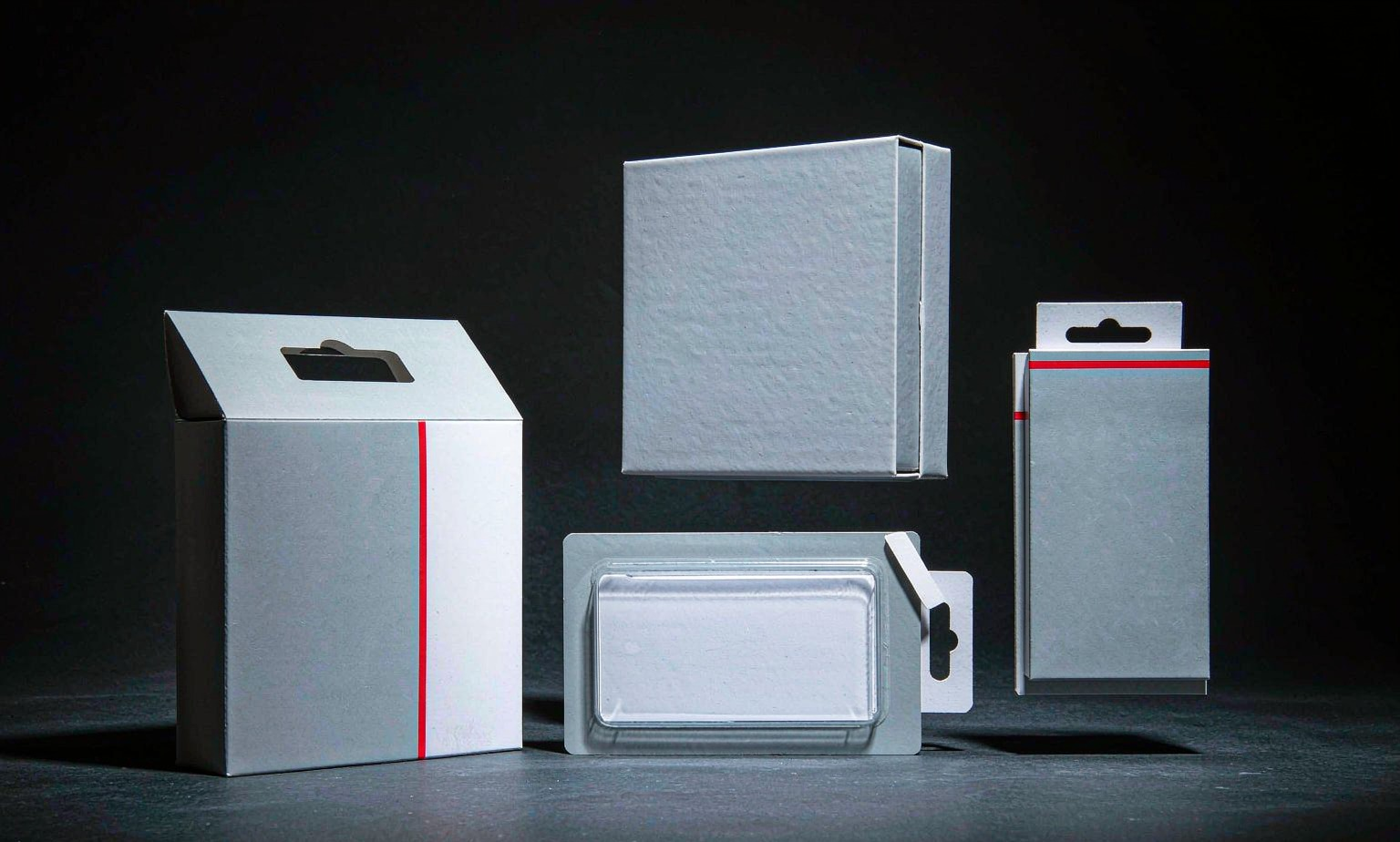
Retail Packaging for Tableware and Hardware: Three Tiers from Blister to Gift Box
Two identical scissors in two different packages sell as different products. In retail channels, packaging is not protection with a logo — it is half the perceived quality, the entire shelf pitch, and, in most markets, a compliance document. Suppliers who treat it as an afterthought ship products that read cheap on shelves their quality deserved.
This guide covers the three packaging tiers we produce for tableware and hardware programs, what each tier must survive, and the printing that varies by destination market.
Tier One: Blister and Clamshell — The Volume Workhorse
Blister packs (product welded between card and plastic shell) and clamshells dominate volume hardware retail: scissors, pliers, utility knives, kitchen tools.
What the tier must do:
Hang or stand on retail hooks and pegs — hang-hole placement is a real specification
Show the product — window area and product angle decide the grab
Survive shipping — the card is the structure; board grade (usually 250–350 gsm coated) and weld strength carry stacking loads
Print compliance — barcode, origin, safety text, and multilingual panels live on the card
Blister tooling is product-specific: a new scissors profile needs a new cavity. That cost is why stock platforms with standard profiles matter for private label — the packaging reuses existing cavities and the program launches at print cost alone.
Tier Two: Color Box — The Brand Shelf
Printed color boxes carry mid-tier programs: knife sets, ceramic gift items, house-brand collections. The box is where brand happens — full-bleed print, product photography, recipe or usage content, and the language panels.
Specifications that matter:
Spec point | Why it decides |
|---|---|
Board grade and coating | Crush strength in mixed pallets; print surface |
Insert (pulp, foam, corrugate) | Product movement in transit is the top damage cause |
Print process (offset, UV) | Color fidelity against the brand standard |
Closure (tuck, magnetic, ribbon) | Perceived tier at the moment of opening |
For tableware, inserts are the engineering: ceramics ship in molded pulp or foam cradles, and a set box must hold each piece separately while presenting them through the open lid. Gift-tier sets add unboxing sequence to the design brief.
Tier Three: Gift Box — The Premium and Presentation Tier
Rigid gift boxes with magnetic closures, ribbon pulls, foil stamping, and fabric-lined inserts serve two channels: retail premium (knife sets, porcelain duos, grooming scissors) and B2B gifting (corporate tableware sets). At this tier the box is a product — buyers weigh it, and the unwrapping sequence is designed.
What the tier must survive is different: less shipping abuse (retail shelves and gift tables), more handling elegance. The engineering moves to hinge life, magnet alignment, and insert texture. Costs run multiples of corrugate — gift packaging is quoted per program, with tooling for rigid boxes sized by the box dimensions.
Compliance Printing by Market
Every tier carries legal text, and the requirements move with the destination:
Market | Must-print essentials |
|---|---|
Japan | Product name, materials, care warnings in native Japanese; food-contact notes |
Korea | Korean-language labeling per MFDS rules for food-contact goods |
EU-facing retail | CE marks where applicable (tools), recycling symbols, importer details |
US retail | Cal Prop 65 warnings where relevant, barcode standards, origin |
Southeast Asia | Multilingual panels (Thai/Viet/Bahasa) depending on channel |
Our standard practice: the artwork review includes a compliance check per market before print — reprinting a boxed run for a missing warning label costs more than the print run.
Matching Tier to Program
Program | Tier | Rationale |
|---|---|---|
Volume hardware retail | Blister | Cost per unit and hook compatibility |
House-brand collections | Color box | Brand shelf presence at mid price |
Premium knife/porcelain sets | Gift box | The box carries the price point |
B2B corporate gifting | Gift box | Unboxing IS the product experience |
E-commerce private label | Color box + transit carton | Shelf is a product page; transit does the abusing |
E-commerce flips the logic: the customer never sees the shelf box in store lighting, but the transit abuse is total. Programs that ship color boxes as the outer carton learn the lesson in return rates — the box-in-box approach costs one layer and saves the account.
Frequently Asked Questions
What MOQ applies to custom packaging?
Print MOQs run far below product MOQs — typically 1,000 boxes per design, aligned with Pantone color minimums. Blister cavities reuse existing tooling where the product profile matches our platform.
Can I mix tiers in one program?
Yes, and most do: blister for volume SKUs, color boxes for gift-capable items, gift boxes for seasonal sets. Consistent brand print across tiers is what makes the mix read as one brand.
Who supplies the compliance text?
We provide the standard warnings and care text per product and market; the brand confirms local legal review. Print proofs are approved before the run.
How is packaging tested?
Drop tests on packed product (corner and edge drops), stacking crush on cartons, and transit-simulation where the channel warrants it. Gift boxes get handle and hinge cycle checks.
Planning a retail or gift program with custom packaging? Send your product list, channel, and markets through our contact page. We quote product and packaging as one specification — cavity reuse, print tiers, and compliance printing included.

