
Oct 29, 2026Chain Operations
Restaurant Mugs and Cups: Size, Stacking, and Hot-Hold Performance
Restaurant mugs and cups fail on stacking, not looks. Match capacity to the drink, test handle fit with gloves, and run wash cycles before you commit to a SKU.
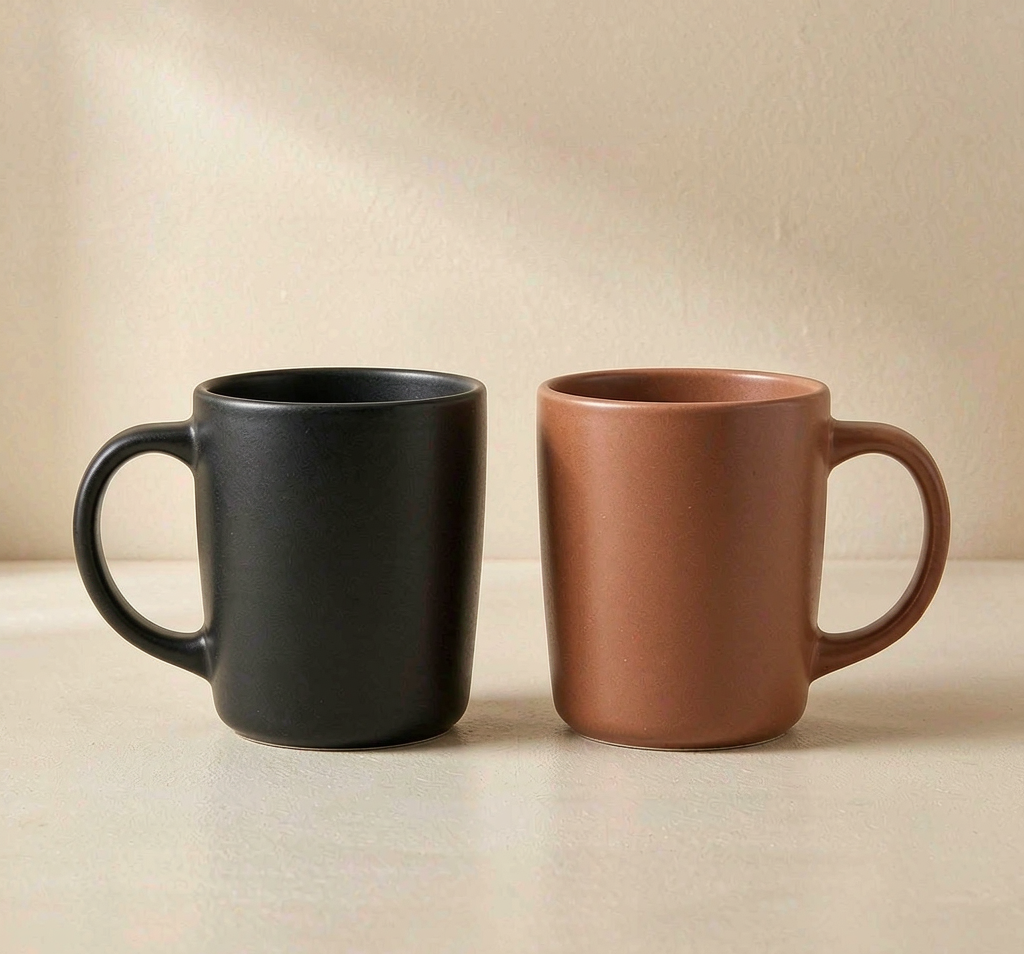
Restaurant mugs and cups are easy to approve on appearance and costly to correct after rollout. A cup can hold the right volume but stack badly, raise freight costs, or deliver a lukewarm first sip. For chain buyers, the useful specification is the combination of working capacity, storage geometry, heat retention, handle fit, and wash-cycle durability across the menu the chain actually serves.
1. Match Capacity to the Drink
Capacity should follow the drink, not the product name. Suppliers often quote brim capacity, while staff fill to a line that leaves room for foam, milk, or movement. Ask for the working volume at the intended fill line, then compare it with the actual serve size.
Nominal size | Typical use | What to verify |
|---|---|---|
8 oz / 240 ml | Espresso, tea, small coffee | Fill line, rim diameter, saucer fit |
10 oz / 300 ml | Stackable water and small drinks | Nesting depth, release after washing |
12 oz / 355 ml | Regular coffee, milk tea | Headspace, lid fit for takeaway |
16 oz / 470 ml | Large coffee, iced drinks | Full-load balance, base diameter, condensation |
Displacement matters too. A 16 oz cup filled with ice holds much less drink than its nominal capacity. Specify the ice ratio used in stores, especially for iced coffee and milk tea. For restaurant mugs and cups sold across several markets, a short size range is easier to control than a long catalog.
2. Stackable Cups vs. Handled Mugs
Stackability is a storage and freight decision. A straight-sided cup nests inside the next, reducing the cubic volume per unit. With efficient nesting and carton design, the same container volume can carry roughly 30-50% more pieces than comparable handled mugs.
Handled mugs are easier to hold when full, present well in dine-in service, and keep fingers away from the hot wall. Handles also create dead space in cartons, snag on racks, and limit nesting. For high-volume takeaway or self-service, stackable cups usually make more sense. For table-service cafes and hotel breakfast, handled mugs can justify the space penalty.
Check release as well as stability. Cups that jam after washing slow service; cups stacked at a slight angle can chip.
3. Wall Thickness and Hot-Hold Performance
Wall thickness affects heat transfer, but not in a straight line. A thicker ceramic wall slows conduction and adds thermal mass. An unheated thick cup can still pull heat from the first pour. Material and wall section both matter, and a thick wall does not guarantee a hot drink at handoff.
For a chain, define hot-hold performance where the guest receives the cup. Record the drink temperature at the brew station, at the pass, and at handoff on a normal delivery route. Test with the lid, sleeve, and holding time used in service.
Preheating cups, reducing open surface area, and using a lid often matter more than a small increase in wall thickness. Double-wall cups can improve insulation, but they add cost and cleaning complexity.
4. Handle Ergonomics: Three Fingers and a Glove Test
A handle should fit at least three fingers without forcing the hand against the cup. The opening needs enough height and width, and the gap between handle and body needs clearance for a knuckle — especially a gloved one. A handle that fits a bare hand in a showroom may fail in a kitchen with heat-resistant gloves.
Test with the cup filled to its working volume. Check balance as well as fit; a large handle on a heavy mug can still feel unstable. For table service, three-finger fit and knuckle clearance are the practical minimum.
5. Material Choices for Hot Drinks
Material choice should follow the heating method, washing cycle, and service style. No single material suits every hot drink.
Material | Strengths | Watch-outs |
|---|---|---|
A5 melamine | Light, chip-resistant, stackable; rated about -20 to 120°C; dishwasher-safe | Not microwave-safe; do not heat milk in it; print can wear |
Porcelain / reinforced porcelain | Good mouthfeel and heat retention; usually microwave-safe with suitable decoration | Heavier; rim chip risk; more freight volume |
Glass | Shows the drink; suitable for some hot service | Thermal shock risk; heavier; check microwave suitability by type |
Stainless steel | Durable; double-wall versions insulate well | Not microwave-safe; single-wall gets hot; different mouthfeel |
A5 melamine is common in chain environments because it is light, chip-resistant, and stackable. It is typically rated from -20 to 120°C and is dishwasher-safe, but it is not microwave-safe. Staff sometimes heat milk in a melamine mug because it looks like ceramic. Do not. Add a clear no-microwave rule to the opening manual.
Porcelain and reinforced porcelain are more forgiving in microwave use when the glaze and decoration are suitable. Our partner factories can supply both melamine dinnerware and reinforced porcelain; the care label must match the exact SKU.
6. Failure Modes and the Pre-Order Validation Protocol
Most failures appear in the first 30-90 days of commercial washing, stacking, and service. Four modes are predictable.
Rim chip: Cups knocked together during bussing or stacked without alignment chip at the rim. Rim profile and thickness help, but stacking discipline matters.
Handle failure: Cracks often start at the joint. Dishwasher racks that press on the handle, combined with repeated temperature changes, can open a hairline crack.
Base water: Water pools in the foot ring when there is no drainage gap. Cups stay wet, smell stale, or leave rings on shelves.
Print wear: Logos fade fastest on rims and upper walls, where abrasion is highest. Verify print durability through wash cycles, not a thumb rub.
Before production, run five checks on samples from the actual partner factory:
1. Capacity: Fill to the working line, weigh the water, and compare with the menu portion.
2. Stacking: Stack to planned storage height; check stability and release after washing.
3. Wash cycling: Run 50-100 commercial dishwasher cycles; inspect rim, handle joints, base, and print.
4. Thermal shock: Alternate hot and cold water; look for cracks, crazing, and handle separation.
5. Handle test: Lift a full cup with service gloves; confirm three-finger fit and balance.
Record the sample, cycle count, and results. A verbal approval is not a specification.
7. Market Differences and Ordering
Market expectations change the brief. In Japan and Korea, 8-10 oz cups are widely used for espresso, tea, and small coffee servings, and rim feel matters. A smooth, even rim and a comfortable lip are part of the experience. Tight back-of-house space also rewards stable stacking.
In Thailand, Vietnam, and Malaysia, iced drinks account for a large share of orders. A 16 oz / 470 ml cup is often the starting point for cold drinks, with larger formats for specialty menus. Specify condensation control, a stable base, and shatter resistance. Hot tea and coffee still need 8-12 oz formats.
In Mexico, coffee and hot chocolate support 8-12 oz handled mugs, while iced coffee and blended drinks pull demand toward 16 oz. Build the range from your own sales mix rather than a generic market list.
For a multi-market launch, control the SKU count. One 8-10 oz hot cup, one 12 oz all-purpose cup, and one 16 oz cold cup can cover many menus. Our standard MOQ is 500 pcs. Lead time is the agreed production window after sample approval and deposit, with 30%/70% T/T payment.
Confirm decoration, packaging, and market-specific labeling before the deposit. Our supply network can quote the range and document the care instructions for each SKU.
8. FAQ
What size mug should a restaurant use for regular coffee?
Most chains use 10-12 oz / 300-355 ml for a standard hot coffee, with 8 oz / 240 ml for espresso or tea and 16 oz / 470 ml for large or iced drinks. Confirm the working fill line, because foam and ice reduce the drink volume.
Are stackable cups better than handled mugs?
Stackable cups reduce storage and freight volume and suit high-volume, self-service, and takeaway service. Handled mugs are more comfortable for dine-in hot drinks but use more space and stack poorly. Many chains need both rather than one across the whole menu.
Is melamine safe for hot coffee?
A5 melamine is commonly rated for -20 to 120°C and is dishwasher-safe, so it can serve hot coffee within that range. It is not microwave-safe. Never heat milk or other drinks in a melamine mug, and follow the supplier's care instructions for the exact product.
How should I test mugs before ordering?
Test actual production samples for working capacity, stacking and release, 50-100 dishwasher cycles, thermal shock, and handle fit with the gloves used in service. Inspect rims, handle joints, bases, and print after washing. Record the results against the specification before approving the order.
Send your menu, target capacities, and annual volume through our contact page. We will return a shortlist with fill-line dimensions, stacking data, and care instructions for each market.

