
Oct 29, 2026Chain Operations
Remote-Site Catering: Camps, Rigs and the Long Rotation
Mining camps and rigs feed hundreds on rotation, far from resupply. The durability-first fleet, mess-hall rhythm and the morale math of remote dining.
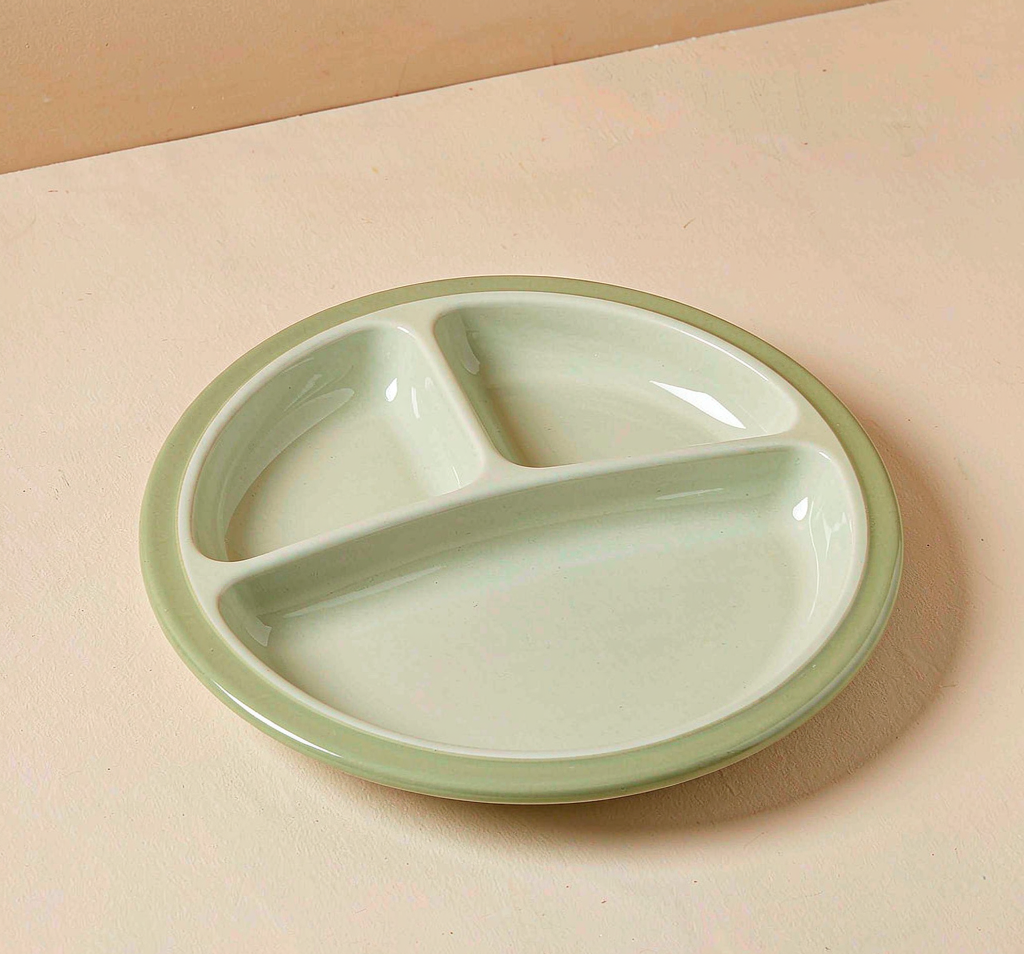
Remote-site catering — mining camps, rigs, construction camps, research stations — feeds hundreds of workers on rotation schedules, hours from the nearest supplier. Its ware program is durability doctrine: vessels that survive industrial appetites and industrial handling, mess halls that run on military rhythm, and the morale math of feeding people whose workplace is also their whole world.
The Durability Doctrine
Remote fleets live the industry's hardest life: workers in gloves, wash cycles that never stop, and resupply measured in weeks. The doctrine: the most durable material for every piece — melamine and stainless over ceramic everywhere, polymer glasses over glass always, and a retirement line that runs on function (a cracked piece leaves; a scratched one stays). The fleet's buy test: drop it, stack it, wash it a hundred times — then decide.
The Mess-Hall Rhythm
The mess hall runs on shift rhythm: the wave when the shift ends, the hot line's volume, the seating that turns fast. The ware choreography: tray lines or plate service sized to the wave, the cutlery bins at the entry, the return rack's industrial geometry. The rhythm's discipline: the fleet's depth is sized to the shift's wave — the crew that worked twelve hours does not queue for a bowl.
The Rotation Menu
Rotation menus repeat on a cycle — four weeks is the industry's rhythm — and the ware supports the variety: the vessel map per menu day (the BBQ night's trays, the curry night's bowls), the specialty nights' staging, and the standard fleet that carries the rest. The rotation's ware discipline: flexibility within one durable family — every specialty vessel must survive the same doctrine.
The Coffee and Hydration Station
Remote sites run on coffee: the urns that never empty, the mugs assigned or communal, the hydration stations in the heat zones. The specs: the mug fleet's depth (coffee is the site's currency), the urns' cleaning rhythm, and the hydration station's bottle-fill culture (the vessel that lives in the worker's cab). The coffee station is the site's true social center — its ware is the camp's morale infrastructure.
The Hygiene at Distance
Remote hygiene runs on discipline, not proximity to suppliers: the wash's sanitizer checks (test strips like any commercial kitchen), the ware's condition audits (the weekly walk), and the pest control that the camp's scale demands. The ware program's role: the fleet's cleanliness is the site's health line — the mess hall's standards are audited like the kitchen's, because the crew eats every meal there.
The Morale Math
Remote dining is morale: the crew that eats well works well, and the ware is where the care shows. The morale specs: the Sunday special's plating, the birthday's cake plate, the conditions that read as respect (clean tables, full vessels, no chipped anything). The remote fleet's budget is a retention line: replacing a worker costs more than replacing a thousand plates.
The Resupply Chain
Everything arrives by truck, plane or barge on a schedule: the ware program plans to it — the breakage factor sized to the rotation (what breaks this cycle is replaced next), the spare ratios for the register pieces, and the inventory count that drives the order. The resupply discipline: the count runs monthly, the order ships quarterly, and the fleet's ledger closes the gap between the two.
The End-of-Rotation Deep Clean
Between rotations, the mess hall resets: the fleet's deep clean, the condition audit, the repair-and-retire line run. The reset is the ware program's maintenance window — the moment the fleet gets counted honestly and the next rotation inherits a full house. The deep clean's discipline: the camp's rhythm has seasons, and the ware's life follows them.
Frequently Asked Questions
What is the durability doctrine? The most durable material for every piece — melamine, stainless, polymer — with a functional retirement line. The fleet survives industrial handling by design, not by luck.
How is the mess hall sized? To the shift wave: tray lines, cutlery bins and return racks that turn a tired crew fast. The crew that worked twelve hours does not queue.
Why is coffee ware morale infrastructure? The mess hall is the site's social center — the mug fleet's depth and the urn's reliability are the camp's care, read daily.
How does resupply shape the fleet? Breakage factors sized to the rotation, spare ratios for key pieces, and a monthly count driving a quarterly order. The ledger closes the gap.
What is the morale math? The crew that eats well works well: clean tables, full vessels, the Sunday special's plating. Fleet budget is a retention line.

