
Oct 29, 2026Chain Operations
Raw Bar and Oyster Tableware: Ice, Steel and Shells
Raw bar service is cold-chain theater — oysters on ice, shuckers at work, mignonette in tiny vessels. The ware system behind the freshest register in dining.
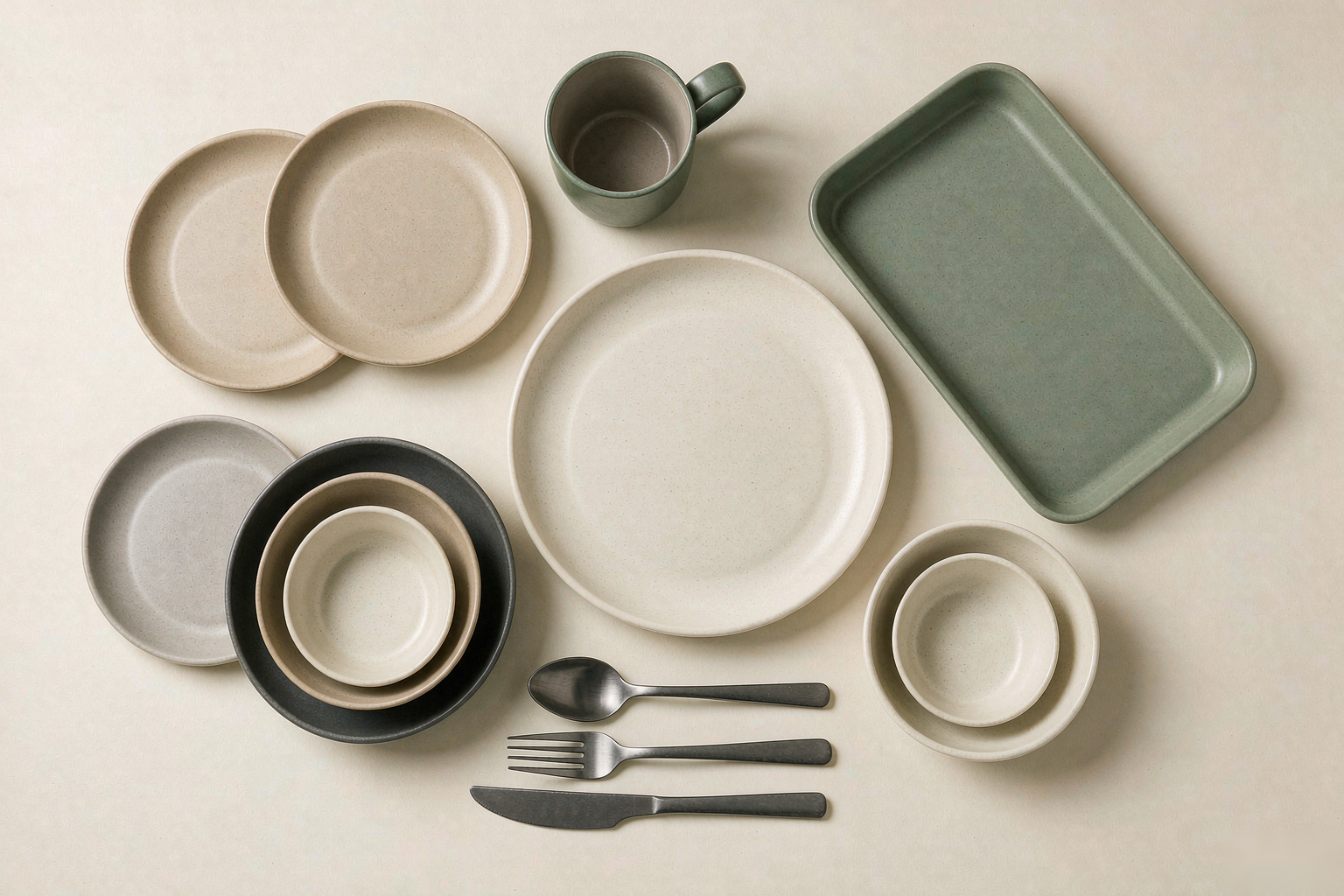
The raw bar is dining's coldest station and its freshest register: oysters on crushed ice, crudo on chilled plates, shrimp in their cocktail lattice. Nothing hides — the product is served raw, and the tableware's job is to keep it that way: cold, stable, beautiful, and safe. The ware program is where display, temperature and hygiene meet in one system.
The Ice Is the Plate
Raw bar display runs on ice: crushed or shaved ice in display vessels, the product nested on top. The vessel system:
Display trays and boards — stainless or acrylic trays with drain grids (melt water exits, the product stays dry-cold), sized to the case and the pass.
Depth architecture — the ice bed deep enough to hold through service; a slumping ice bed is a food-safety event and a look-event in one.
Drainage — the tray's grid and drip path are display-grade engineering; standing water reads as neglect and warms the product.
The chain discipline: ice depth per tray class, a change-out rhythm per service period, and the drain check in the opening routine.
The Oyster Plate Question
Oysters arrive on the half shell — and the vessel debate is classic: the oyster plate (dishes molded to hold shells) versus the ice bed. The working answers:
Ice beds with lemon nests — the flexible standard; the shells sit in the ice, the lemons anchor the corners.
Molded oyster plates — the premium register; beautiful, but they hold a fixed count and wash carefully.
Wooden or slate boards with ice wells — the share-platter tier for tables ordering by the dozen.
The share tier is where the format's economics live: dozens ordered for the table, presented on a board that photographs the register.
The Shucker's Station
The shucking station is the raw bar's kitchen: the shucker's board (wood or poly, scarred with work), the knife fleet (a shucking knife per hand, maintained on a schedule), the glove, and the catch trays. The specs: boards that survive knife work without splintering (the splinter test is a food-safety audit line), knives with a replacement and sharpening rhythm, and a station layout where shells exit and ice refreshes without crossing the product's path.
The Mignonette Layer
The raw bar's condiments run tiny and acidic: mignonette (shallots in vinegar), cocktail sauce, lemon wedges, horseradish, hot sauces. The vessels: 1-2 oz ramekins and dishes — the format's smallest fleet — with acid-proof glazes (vinegar is the constant), dense bases, and a refill rhythm that keeps the set complete. The lemon service: wedges in small dishes or nets, replaced on the ice-change rhythm.
The Crudo and Ceviche Plates
The kitchen's raw preparations — crudo, tiradito, ceviche — ride chilled plates: shallow, cold, often pre-chilled in the pass. The specs: plates that hold cold (stone, thick ceramic, or metal inserts), surfaces that present the fish's color (white and pale glazes flatter the product), and a size that reads composed rather than sparse. The chilled-plate program needs pass capacity: a plate chiller or freezer space staged to the menu's pace.
The Cocktail Shrimp Architecture
Shrimp cocktail is architecture: the stemmed vessel or tiered dish, the ice or lettuce bed, the sauce cup anchored at the center. The specs: a vessel that displays the ring, a sauce cup that seats without tipping, and a wash line that handles the stem-ware geometry. The tiered presentation is the register; the wobble is the failure.
The Cold-Chain Discipline
Everything above serves one contract: the product never warms. The ware program's cold-chain lines: ice depth and change-out per tray class, chilled plates staged in the pass, the display case's temperature logged, and the service window discipline (what sits out, for how long, before it returns). The chain's raw-bar audit reads the ware as part of the HACCP story: the ice, the drains, the chilled surfaces are the safety system's visible half.
The Count-and-Size Vocabulary
Oysters sell by count and size — dozens, and the market’s size grades — and the presentation carries the promise: a dozen on the board must read as a dozen, sized honestly, arranged with the geometry that shows each shell. The board’s layout discipline: shells nested level, deep-cup shells staged upright, the lemon and mignonette set without crowding. The display is the invoice — guests count what they see — and the ware’s footprint is what makes the honest display possible.
Frequently Asked Questions
Oyster plates or ice beds? Ice beds are the flexible standard — shells nest, lemons anchor, the count adapts. Molded plates are the premium register where the count is fixed and the look leads.
What is the raw bar's smallest fleet? The condiment layer — 1-2 oz ramekins of mignonette and sauce, multiplied by every order. Acid-proof glazes and dense bases are the spec; the vinegar never sleeps.
How do chilled plates work in service? Staged in a plate chiller or freezer, pulled to order, food plated cold. The pass needs the capacity planned like any other station.
What does the shucker's station need? Boards that survive knife work without splintering, a maintained knife fleet, catch trays, and a layout where shells and ice never cross the product's path.
How does ware join the food-safety story? As the visible half of the cold chain: ice depth, drainage, chilled surfaces and change-out rhythms — all auditable, all guest-visible.

