
Oct 29, 2026Chain Operations
Rail Catering Tableware: Dining Cars and Swing Tables
Trains serve meals on moving floors — rails, curves and sway. The rail-ware specs: everything that grips, latches, nests and survives the swing.
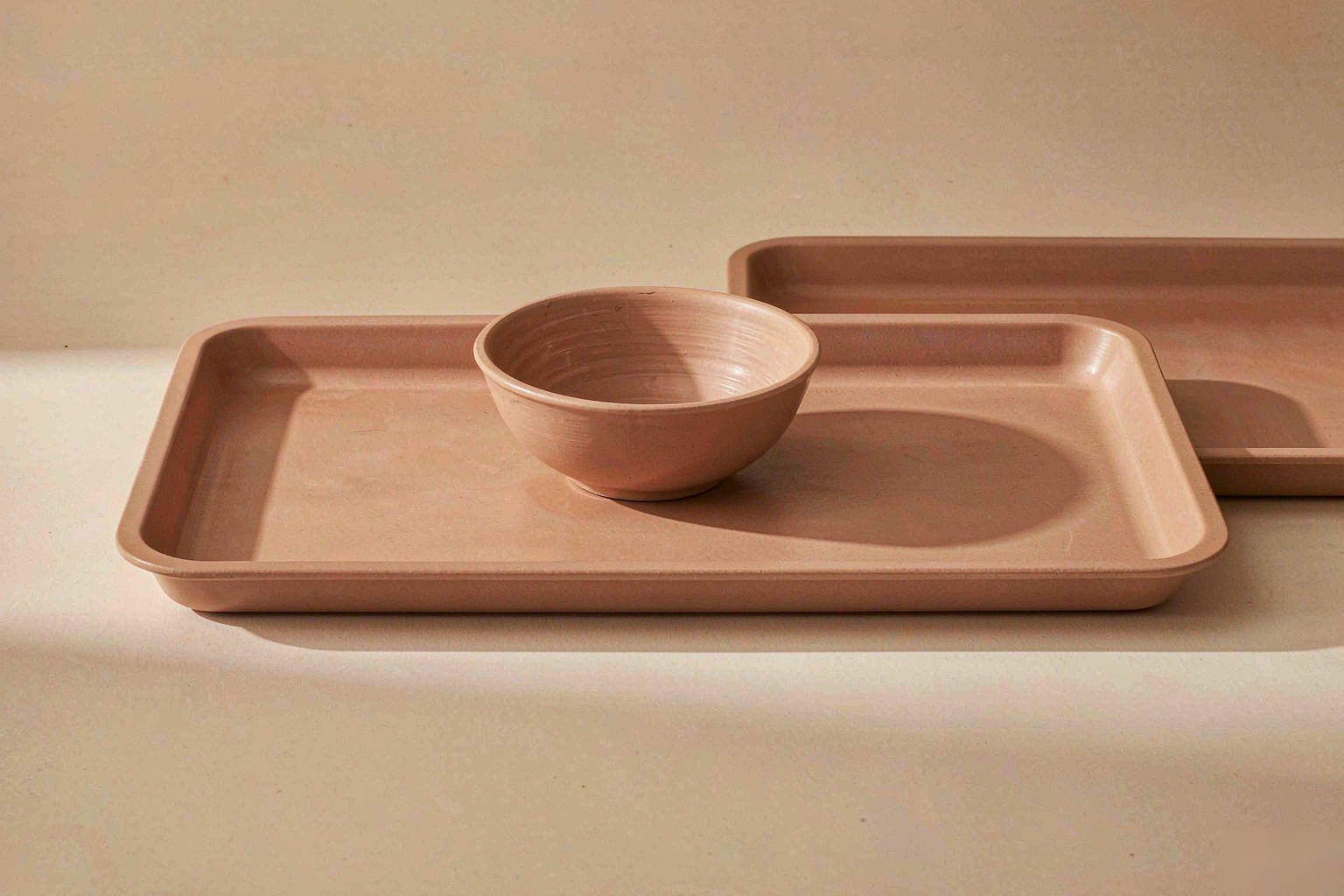
Train dining rides a moving floor: curves lean the table, switches jolt it, sway shifts everything a few degrees all trip long. Rail tableware is engineered for a room that never stops moving — cups that grip, trays that latch, plates with lips — while serving meals that run hours longer than any flight. The format's program is aviation's cousin with a longer clock: less altitude, more sway, and guests who walk around.
The Sway Contract
Trains move in three dimensions for hours: the ware must hold through sway, lean and jolt. The specs: cups with heavier bases or grip rings, plates with lips that contain the meal's liquids, and the table's own systems (mats, ledges, the swing-table's pivot that keeps the surface level through curves). The honest test: a loaded table through a simulated curve and switch — what slides is what the crew chases all trip.
The Dining Car Table
Rail tables are fixtures — bolted, pivoting or hinged — and the ware works with the fixture: plates sized to the table's safe zone, cups placed at the pivot's center of stability, and the service choreography that lands heavy items first. The dining car's geometry is tight: every vessel's footprint is planned against the table's working area, and the share formats (carafes, bread baskets) claim the center where the sway's leverage is least.
The Trolley Service
The snack trolley works the aisles: coffee, sandwiches, drinks — poured and handed in motion. The trolley's ware: lidded cups as policy, the trolley's own racks that hold the tower through curves, and the transaction's one-hand geometry (payment, pour, handoff, all standing). The trolley is rail's concession model — its ware is engineered for the pass, not the table.
The Bistro and Counter Car
Modern trains run bistro cars: a counter, a few tables, a menu that spans coffee to wine. The ware: real cups and glasses where the zone allows, the counter's staging geometry, and the wipe-down rhythm between stations. The bistro car's discipline: the ware survives the same sway with the same unbreakable logic as the seats — polymer and melamine dominate, glass only where the zone and the operator's policy allow.
The Long-Haul Meal
Long-distance services plate real meals: the tray system with the casserole logic, cutlery packets, the course timing that fits the journey's schedule. The specs borrow aviation's playbook: stowage density in the galley, lids that survive the motion, and the round-trip discipline (everything returns to the wash at the terminus). The difference is time: rail meals run longer, so heat holding matters more — the casserole's insulation and the pot's warmth are the meal's quality line.
The Coffee Culture Layer
Rail coffee is a standing ritual: the platform kiosk's cup, the on-board espresso in the bistro car, the refill culture of the long journey. The vessels: lidded for the walk, real cups where the table exists, and the cup's insulation spec (a hot coffee in a moving aisle needs a wall that protects the hand). The coffee fleet's volume is the trolley's revenue core — its cup is the format's most-issued piece.
The Cleanup at Speed
Rail service clears between stations: the trolley swept, the dining car reset, the trash's rhythm synced to the schedule. The ware system: stack-deep everything, bus bins that ride the aisles, and the terminus wash — the fleet's full cycle happens at journey's end, on a ground-time clock like aviation's. The between-station sweeps keep the car presentable; the terminus wash keeps the fleet honest.
The Unbreakable Doctrine
Rail ware is polymer and melamine by doctrine: the sway never stops, the guests walk, the floor occasionally lurches. Where the premium register demands more (first-class dining cars), the glass and ceramic live in controlled zones with the same physics respected — heavier bases, guarded placement, and a chip line that runs strict. The doctrine's exception proves the rule: premium rail ware earns its fragility with placement discipline.
Frequently Asked Questions
What is the sway contract? The ware must hold through hours of three-dimensional motion — grip bases, containing lips, and the table's pivot systems. The curve-and-switch test at sampling finds what slides.
How does the trolley work in motion? Lidded cups as policy, racks that hold the tower, and a one-hand transaction geometry. The trolley is rail's concession model — engineered for the pass.
What is the difference from airline ware? Time and movement: rail meals run longer (heat holding matters more) and guests walk around (unbreakable doctrine everywhere). The stowage and round-trip disciplines are shared.
Where does glass survive on a train? First-class dining zones with controlled placement and strict chip lines — the premium register earns its fragility with placement discipline.
What is the terminus wash? The fleet's full cycle at journey's end, on a ground-time clock: between-station sweeps keep the car presentable; the terminus wash keeps the fleet honest.

