
Oct 29, 2026Chain Operations
Poke Bowl Programs: The Hawaiian Bowl Economy
Poke runs on cold-chain discipline and a build-line bowl. The vessel depths, topping architecture and display logic behind the format's speed.
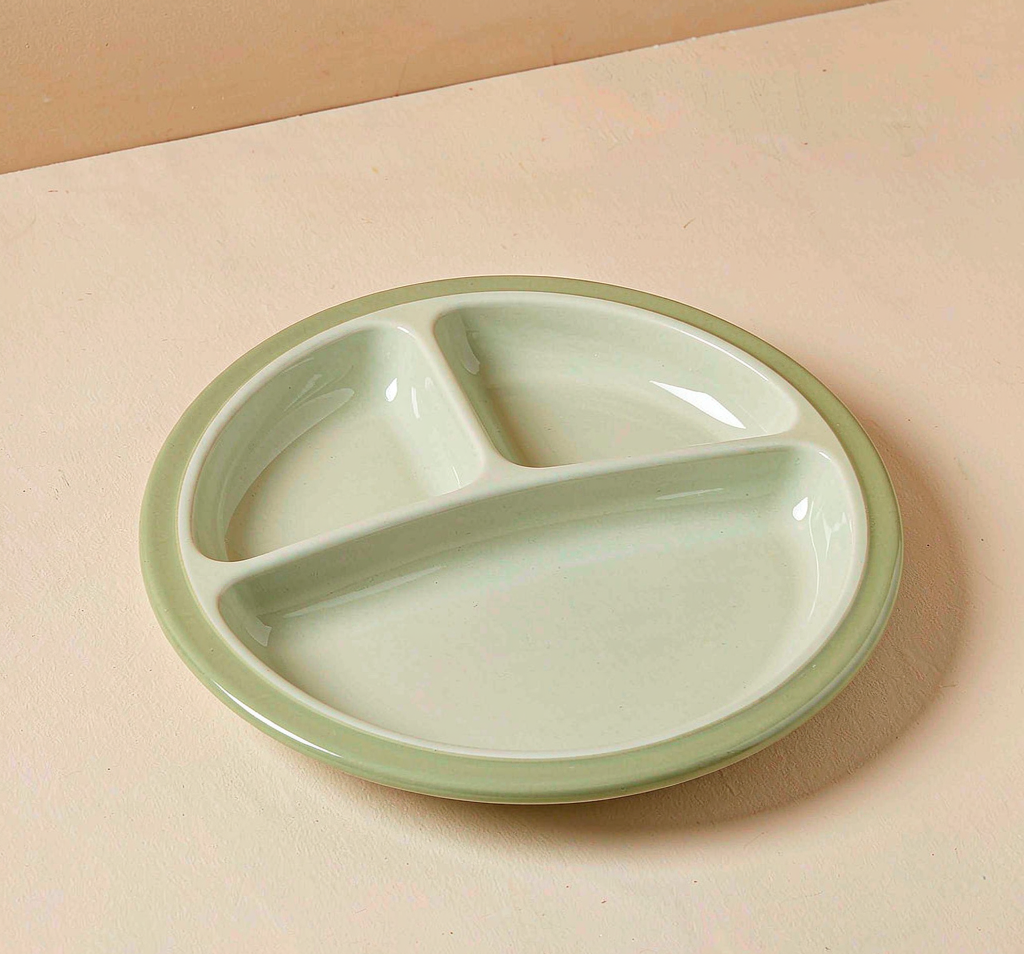
Poke turned a raw-fish snack into a global build-line format: a base, a protein, a row of mix-ins, a sauce, a crunch — assembled in front of the guest in under a minute. The format's tableware is the bowl at the end of that line, and the whole economy hangs off it: the bowl's depth sets the portion story, its width sets the topping display, and its material decides whether the cold chain survives to the table.
The Bowl as Portion Architecture
Poke's pricing ladder lives in bowl sizes. The standard classes: a regular and a large, sometimes a mini for snacks and kids. The depth-to-width ratio does the work — a wide, shallow bowl shows the toppings (the format's Instagram economy), a deep bowl hides them but holds volume. The chain decision is visual: poke sells on what the guest can see, and the bowl that displays the build sells the second bowl.
The sizing discipline: match the bowl's actual volume to the menu's portion specs, and test the build in the actual bowl at menu development. A bowl that looks full at the topping line but reads empty at the table breaks the value story.
Cold Chain to the Table
Poke is a cold-chain product served in a warm room. The vessel's role:
Material temperature neutrality — room-temperature ceramic or melamine does not fight the cold; a chilled bowl (where operations support it) extends the margin.
No heat duty — poke bowls never meet hot wells or lamps; the material spec is about cold integrity and stiffness, not thermal shock.
The display window — from the topping line to the first bite, the bowl is on show. Surface quality (glaze, color, chip-free rims) is food safety adjacent: guests read a chipped rim on a raw-fish bowl as a hygiene signal.
The Build-Line Geometry
The topping line is a conveyor of vessels: base tubs, protein pans, mix-in inserts, sauce bottles. The tableware program's back-of-house half lives here — and its specs are line specs:
Insert pans that fit the line's wells — the standard gauge gastronorm logic, in depths that hold a service batch without excess air.
Squeeze bottles and ladle-portions that dose consistently — the sauce economy lives in the nozzle.
Topping spoons and tongs per station, sized to the insert, so the build's rhythm never stumbles.
The line's speed is the format's economics: bowls assembled per minute, every vessel in the choreography either helping or costing.
The Lid and the Journey
Most poke leaves — to offices, beaches, couches. The lid system decides the format's second act: a snug, leak-resistant lid over a bowl that stacks, a sauce cup that seals, a separate crunch packet so texture survives the trip. The sourcing test is the drop-and-tilt: a filled build, lidded as sold, carried and tilted — what migrates is what the guest finds first.
The Display Case Economy
The grab-and-go case sells pre-built bowls. The bowl's sidewall is the label surface — the build seen through the vessel — so clarity and shape matter: round bowls read classic, square bowls pack the case tighter. The case math (bowls per shelf, lids that stack) is a ware decision disguised as a refrigeration one.
Material Choices: Melamine, Polymer, Fiber
Material | Strength in poke service | Watch-out |
|---|---|---|
Melamine | Dine-in register; color program; drop-proof | Cold duty fine; never heat |
Polypropylene | Takeaway workhorse; lid systems | Scratch clouds over time; retire on looks |
Fiber/bamboo composites | Eco story for dine-in | Binder quality varies; wash-test first |
Palm leaf / bagasse | Premium single-use | One-pass economics; wet-hold limits |
The fleet often splits by channel: melamine in-store, polymer or fiber out. The color discipline holds across all of them — the brand's bowl reads the same in every channel.
The Sauce and Crunch Layer
Poke's texture economy — crispy onions, furikake, seaweed, sesame — rides small vessels: ramekins on the line, sealed cups in takeaway. The specs: tiny footprints that do not clutter the build, seal integrity for the trip, and a density that survives the bus tub. The small-vessel fleet multiplies like banchan; count it at clear-down like cutlery.
Allergen Visibility
Poke's build line handles the big allergens — soy, sesame, fish, shellfish, avocado-sensitivity guests — in open view. The vessel system supports the transparency: dedicated utensils per station (color-coded where the chain runs the program), change-out tongs at shift starts, and a line layout where the allergen-flagged stations never share tools. The bowl is where the promise lands; the line's discipline is where it is kept.
Frequently Asked Questions
How many bowl sizes should a poke program run? Two, maybe three — mini, regular, large. The size ladder is the pricing ladder; every extra size blurs the value story and splits the shelf.
What matters more, depth or width? Width — poke sells on visible toppings. The wide shallow bowl displays the build; depth only matters when the lid system demands it.
Melamine or fiber for dine-in? Both work; melamine wins on cycle life and color consistency, fiber wins the eco story. Wash-test fiber composites in your own machine before committing the fleet.
What breaks the takeaway experience? Sauce migration and texture death — the sealed sauce cup and the separate crunch packet are not accessories, they are the product's second act.
How do we keep the topping line fast? Insert pans that fit the wells, one utensil per station, and portion tools that dose in one motion. The line's choreography is a tableware question.

