Chain Operations
Okonomiyaki Ware: The Teppan's Theater
Okonomiyaki is cooked on the counter you watch. The guide: the teppan's stage, the spatula's pair, the plate's transfer and the fleet's show.

Okonomiyaki is cooked on the counter you watch: the teppan's stage where the batter's circle flips under two spatulas — the format whose ware is the show's partner. The okonomiyaki guide is the teppan's read: the stage's physics and the show's craft. This guide reads the theater.
The Teppan's Stage
The griddle is the room's theater: the teppan's stage — the counter's arc (the guests' seats: the show's front row), the iron's heat (the batter's cook: the stage's engine), the zones' discipline (the grill's map: the kitchen's craft), and the stage's honesty (the counter's actual show: the format's promise). The stage's discipline: the heat's control (the iron's zones: the cook's craft), and the counter's design (the guests' reach: the show's geometry). The teppan's stage is the okonomiyaki's home: the iron that the show's circle cooks on.
The Spatula's Pair
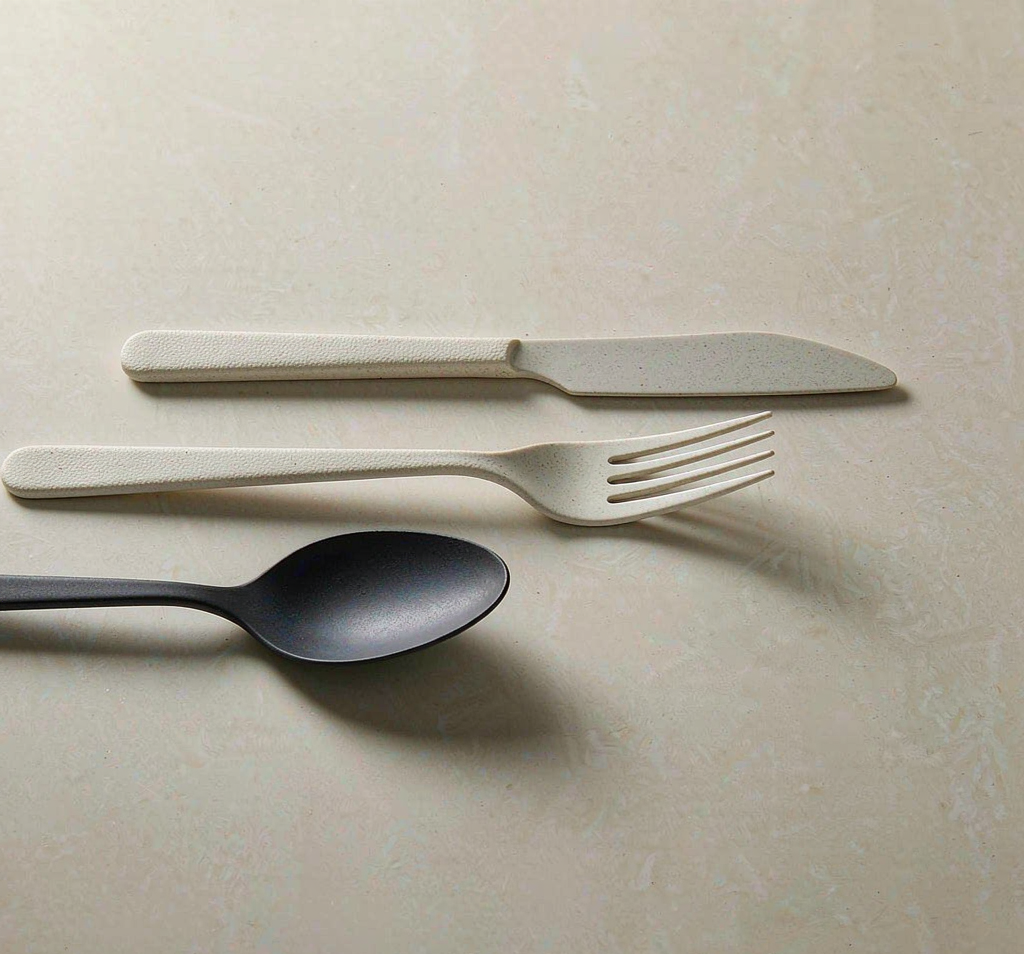
Two spatulas run the show: the spatula's pair — the turner's flip (the pancake's turn: the craft's signature), the cutter's divide (the portions' share: the finish's tool), the steel's quality (the tools' years: the kitchen's craft), and the pair's honesty (the counter's actual tools: the fleet's design). The pair's discipline: the steel's quality (the show's tools: the fleet's claim), and the craft's practice (the spatulas' skill: the cook's art). The spatula's pair is the show's hands: the tools that the teppan's circle flips.
The Plate's Transfer
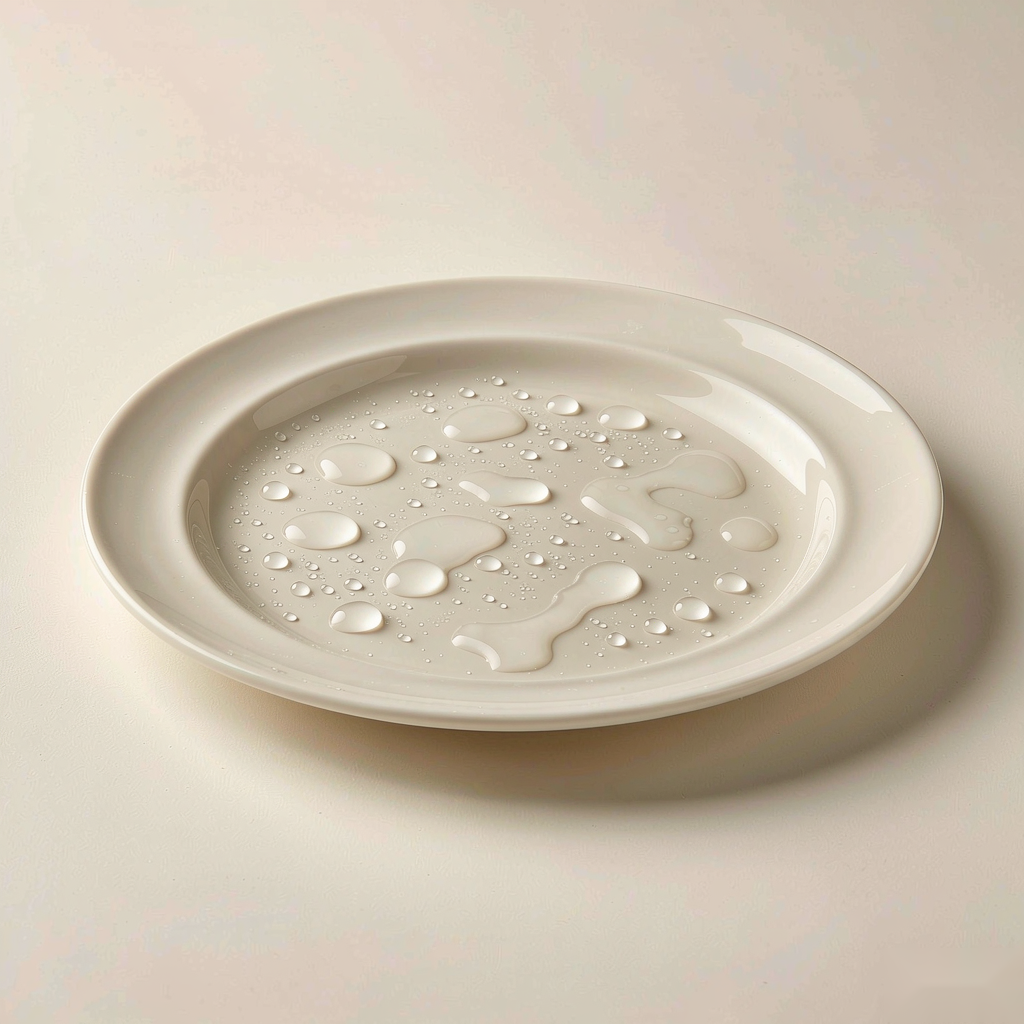
The finished circle leaves the iron: the plate's transfer — the slide's moment (the pancake's journey: the show's end), the plate's size (the circle's stage: the vessel's fit), the sauce's finish (the table's art: the guest's turn), and the transfer's honesty (the room's actual flow: the fleet's design). The transfer's discipline: the plate's fit (the circle's stage: the fleet's design), and the sauce's craft (the guest's art: the experience's completion). The plate's transfer is the show's exit: the journey that the circle's stage serves.
The Table's参与
The guest finishes the dish: the table's participation — the sauce's bottles (the guest's brush: the counter's art), the bonito's dance (the flakes' movement: the dish's theater), the mayo's lines (the finish's signature: the plate's design), and the participation's honesty (the room's actual ritual: the brand's voice). The participation's discipline: the bottles' design (the guest's tools: the table's grammar), and the ritual's respect (the show's finale: the experience's art). The table's participation is the dish's completion: the art that the guest's hand paints.
The Operation's Flow
The teppan runs a timed flow: the operation's flow — the orders' queue (the counter's rhythm: the kitchen's math), the circles' timing (the batter's cook: the service's pace), the seats' turnover (the show's length: the fleet's cycle), and the flow's honesty (the room's actual pace: the pars' truth). The flow's discipline: the timing's craft (the circles' pace: the service's art), and the turnover's math (the seats' rhythm: the fleet's depth). The operation's flow is the teppan's logistics: the fleet that the show's rhythm recycles.
The Supplier's Show
Japan's okonomiyaki venues buy the show: the supplier's show — the plates' design (the circle's stage: the fleet's choice), the tools' quality (the spatulas' steel: the fleet's claim), the volume's fit (the venues' fleets: the market's math), and the show's honesty (the venues' actual needs: the supplier's homework). The show's practice: the stage's homework (the theater's anatomy: the supplier's study), and the relationships' craft (the venues' programs: the trust's years). The supplier's show is the market's door: the theater that Japan's teppan respects.
Frequently Asked Questions
What makes okonomiyaki service theatrical? The guest's front-row seat: the batter's circle flips on the counter's iron under two spatulas — the cook as the show.
Why two spatulas? The turner flips, the cutter divides: the pair's craft that the teppan's circle demands.
How does the plate complete the dish? The slide from iron to stage-sized plate, where the guest paints sauce, mayo and bonito — the art that the table's ritual finishes.
What does the operation's flow need? Circle timing, order queues and seat-turnover math: the pace that the fleet's depth recycles.
What should suppliers bring to teppan venues? Circle-stage plates, show-grade tools and venue-scale volume: the theater that Japan's counters respect.