
Chain Operations
Menu Engineering Meets Tableware: Vessels as Portion Architecture
Menu engineering decides what you sell; vessel choice decides what a portion looks like, costs and photographs. Where the two disciplines meet — and the questions menu teams forget to ask
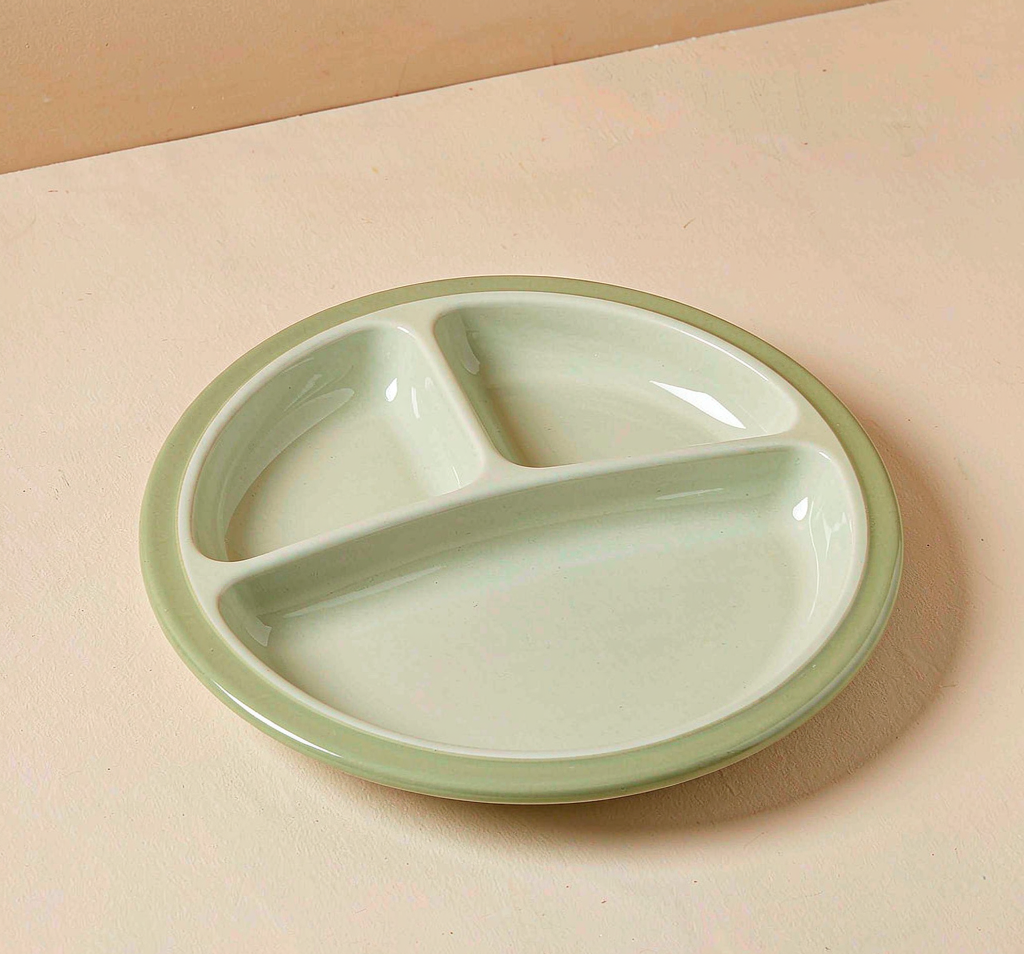
Menu engineering classifies dishes by popularity and margin, then decides what to promote, reprice or retire. It is the most analytical discipline in restaurant management — and it runs on a hidden assumption: that the vessel a dish is served in is neutral, a stage rather than a variable.
The vessel is not neutral. It is the portion's architecture: the same recipe in two different bowls reads as two different portions, costs two different food costs, and photographs as two different menu items. The programs that connect menu engineering to tableware specification gain a lever most chains never pull.
Where Vessels Enter the Menu Math
Portion perception. The same 300 grams of food fills a small vessel generously and a large vessel sparsely. The first reads abundant; the second reads stingy — same food cost, opposite guest verdicts. The psychology is distance-relative: portions are judged against the vessel's visual capacity, not against grams.
Portion control. The vessel is a measuring device (our compartment-tray and bento guides make the same point): formats with defined volumes enforce portions without scales or training arguments. Multi-store portion consistency — the margin tracker's dream — is substantially a tableware property.
The cost sides. Vessel size quietly sets food cost variance: an over-poured "scoop to the rim" habit in an oversized bowl is a permanent margin leak, invisible on any line item.
Menu-engineering quadrant | Vessel strategy |
|---|---|
Star (popular, high-margin) | The signature vessel: distinctive, protected, photographed |
Plowhorse (popular, low-margin) | Portion-architecture formats: defined volumes that hold the cost line |
Puzzle (unpopular, high-margin) | Presentation shift: the vessel change that repositions the dish |
Dog (unpopular, low-margin) | Exit — or the format change that tests one last repackaging |
The menu board's photograph. What the menu photographs is what guests order — and the photograph is the vessel as much as the food. Menu engineering's promotion decisions are, half the time, vessel decisions wearing a menu's clothes.
The Vessel Levers, in Practice
The downsizing read. Reducing a vessel's volume, carefully executed, reads as refinement rather than reduction: the full-looking smaller bowl presents better than the sparse larger one — while the portion (and cost) drops. The honest version of this lever is paired with recipe work (the composition adjusted to the new geometry); the lazy version is just pouring the old portion into a smaller box and hoping. Guests forgive intentional-seeming change and punish discovered-seeming change.
The signature anchor. Star dishes earn signature vessels — the distinctive format that becomes the item's identity (the ramen bowl logic, the donburi class). Signature vessels are protected property: the kit and brand disciplines (our franchise guide) lock them against substitution drift, because the signature's photograph is the brand's asset.
The reposition test. A puzzle dish's cheapest test is a vessel change: the same recipe moved from a plate to a bowl, from round to square, from white to the accent glaze, reads as a new menu item at a fraction of development cost. The izakaya library's shape vocabulary is a reposition toolkit.
The exit discipline. Dogs retire — and their signature vessels retire with them, into the sunset process (our menu-transition guide) or into second roles elsewhere on the menu. Vessel inventory is working capital: menu engineering reviews it annually with the menu, not only when someone notices the storeroom.
The Interface: Menu Teams and Tableware Buyers
The organizational gap is the practical failure: menu engineering lives with culinary and finance; tableware lives with procurement. The bridge disciplines:
The vessel column on the recipe card. Every item's specification carries its vessel SKU — the menu's language and the fleet's inventory speaking the same line. Menu changes trigger vessel reviews automatically (the transition guide's calendar).
The photo standard carries both. The approved dish photograph (the plating standard) includes the vessel — so what stores copy and what the fleet supplies cannot diverge. The audit's presentation scoring checks against the photo; the photo names the SKU.
Joint reviews quarterly. The menu engineering review invites the tableware data: loss rates by format (which vessels cost the program), par status (which vessels constrain service), and the transition pipeline (what's entering, exiting). Thirty minutes of joint review aligns the two inventories — the menu and the fleet — that were always one system.
Frequently Asked Questions
Can a vessel change really reposition a dish? Perception is presentation-relative: format, color and composition shifts reliably change how a dish reads and photographs. It is the cheapest reposition tool available — and it still obeys the rule that the change must look intentional.
How do we prevent portion creep? Defined-volume formats, fill-line photography on the plating standard, and the vessel doing the measuring — the compartment logic at every course where geometry can hold the line.
What about delivery menus — same vessel logic? The packaging is the vessel: the same portion-architecture physics under the lid (our bento guide's seal and transport tiers). Delivery portions drift for exactly the same reasons dine-in portions drift — the vessel stopped enforcing.
Who approves vessel changes — culinary or procurement? Jointly, through the quarterly interface: culinary owns the perception call, procurement owns the fleet consequences, and the photo standard records the outcome. Either deciding alone recreates the gap.
What is the first step for a chain that has never connected the two? Add the vessel SKU to every recipe card, then run one menu-engineering review with the fleet data in the room. The connections surface on their own — the two disciplines have been describing one system from opposite ends.


