Material & Compliance
Melamine vs Porcelain: The Honest Comparison
One survives drops; one survives ovens. The guide: the durability's fork, the heat's boundary, the cost's ledger and the venue's answer.

One survives drops; one survives ovens: the durability's fork and the heat's boundary — the comparison whose honesty matches the venue's answer. The comparison guide is the materials' read: the forks' truth and the venues' choices. This guide compares honestly.
The Durability's Fork
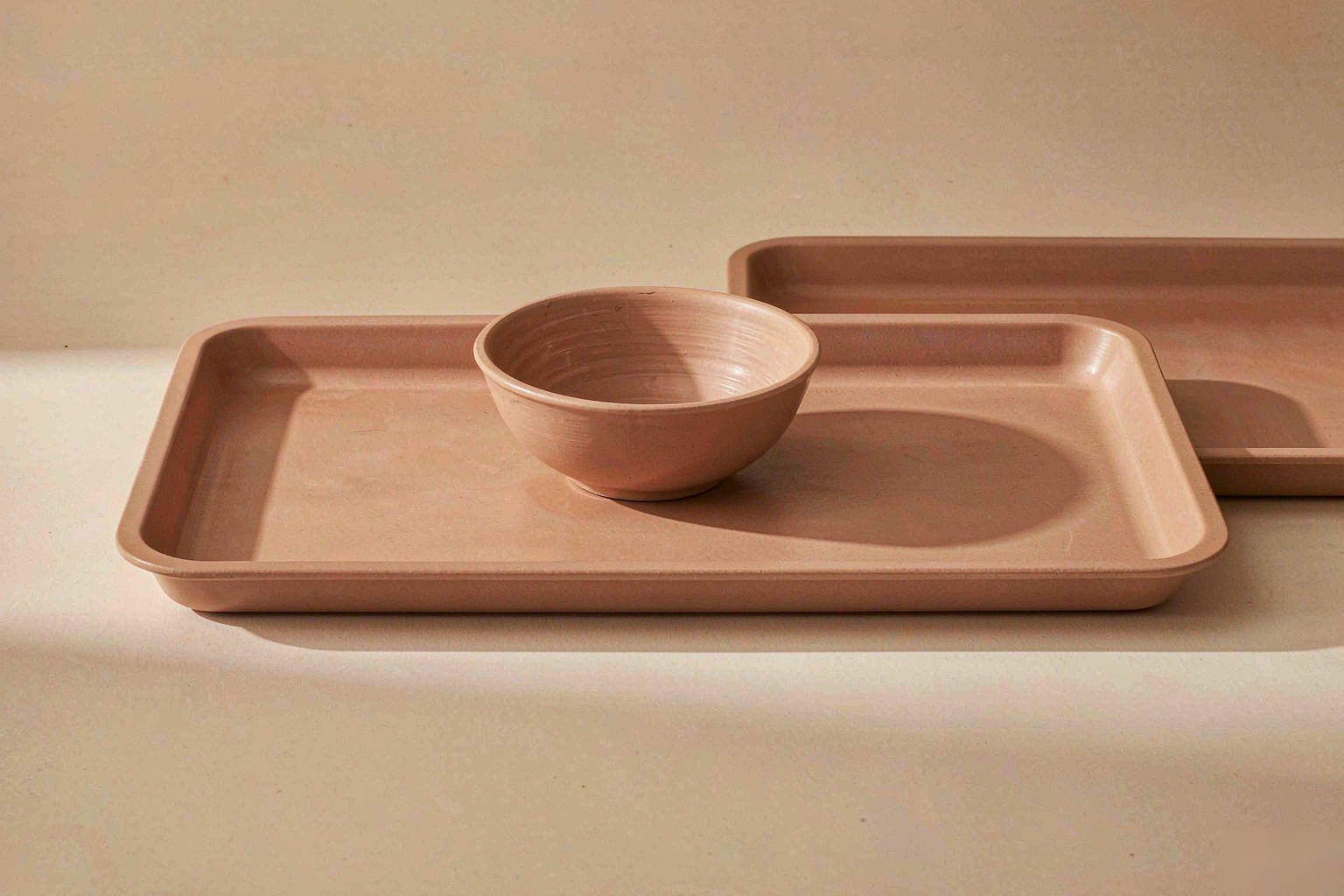
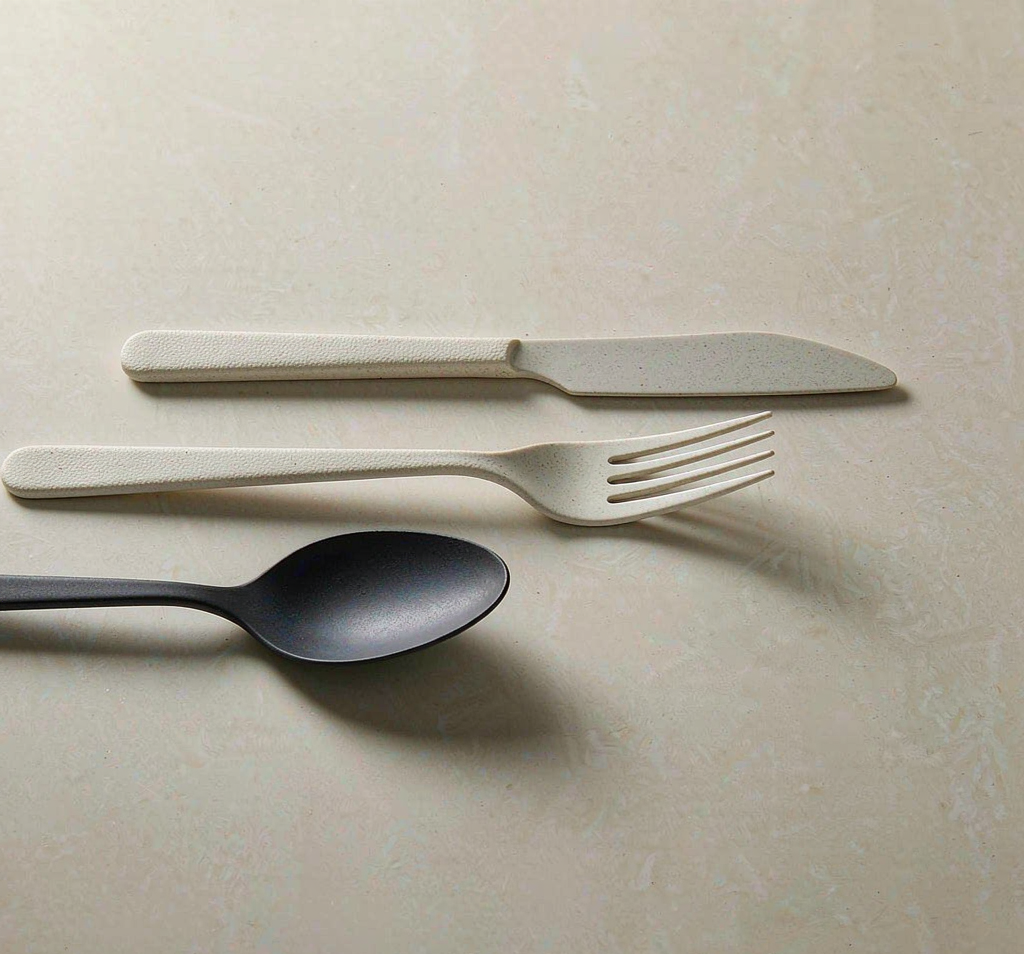
Drops judge the bodies: the durability's fork — the melamine's bounce (the floor's mercy: the break's ban), the porcelain's shatter (the tile's truth: the break's cost), the chip's behavior (the edges' answers: the fleet's math), and the fork's honesty (the fleet's actual floors: the buyer's read). The fork's discipline: the bounce's respect (the mercy's craft: the break's peace), and the shatter's demand (the truth's craft: the cost's read). The durability's fork is the materials' first exam: the floors that the fleets' drops run.
The Heat's Boundary
Ovens draw the line: the heat's boundary — the porcelain's freedom (the oven's trips: the bake's service), the melamine's ceiling (the microwave's ban: the serve's rule), the presentation's craft (the heat's choreography: the kitchen's system), and the boundary's honesty (the kitchen's actual heat: the buyer's read). The boundary's discipline: the freedom's respect (the trips' craft: the bake's voice), and the ceiling's demand (the rule's rigor: the serve's peace). The heat's boundary is the materials' law: the lines that the kitchen's systems honor.
The Cost's Ledger
The ledgers run different years: the cost's ledger — the melamine's math (the price's base: the years' survival), the porcelain's math (the piece's grace: the break's tax), the replacement's curves (the fleets' tails: the program's truth), and the ledger's honesty (the buyer's actual books: the venue's read). The ledger's discipline: the base's respect (the math's craft: the years' truth), and the tax's demand (the grace's price: the break's read). The cost's ledger is the comparison's arithmetic: the books that the venue's years write.
The Venue's Answer
Venues answer by format: the venue's answer — the casual's melamine (the volume's floors: the family's tables), the fine's porcelain (the service's stage: the guest's read), the mix's bridge (the indoor's porcelain, the patio's melamine: the venue's map), and the answer's honesty (the venue's actual mix: the program's verdict). The answer's discipline: the volume's respect (the floors' match: the family's peace), and the stage's demand (the read's craft: the guest's voice). The venue's answer is the comparison's verdict: the materials that the formats' lives choose.
The Supplier's Fork
The tableware market reads forks: the supplier's fork — the melamine's depth (the tiers' craft: the casual's breadth), the porcelain's grades (the translucency's ladder: the fine's choice), the mix's service (the bridges' craft: the venues' maps), and the fork's honesty (the buyers' actual need: the supplier's homework). The fork's practice: the depths' homework (the materials' anatomy: the supplier's study), and the relationships' rhythm (the buyers' venues: the trust's years). The supplier's fork is the market's door: the materials that the venues' answers respect.
Frequently Asked Questions
Which survives drops? Melamine bounces where porcelain shatters: the floor's exam that the durability's fork runs.
Which handles ovens? Porcelain's freedom against melamine's ceiling: the heat's line that the kitchen's choreography honors.
How do the costs run? Melamine's base price against porcelain's grace tax: the ledgers that the fleets' replacement curves write.
Can a venue use both? The mix's bridge: porcelain indoors, melamine on patios — the map that the venue's formats choose.
What should buyers compare? Drop exams, oven lines and the years' ledgers: the forks that the venue's answer respects.