
Nov 1, 2026Chain Operations
Melamine Tray Returning Systems: The Cafeteria's Return Architecture
The return rack is the cafeteria's most important furniture. The guide: the rack's geometry, the sort's stations, the conveyor's design and the flow that keeps the line moving.
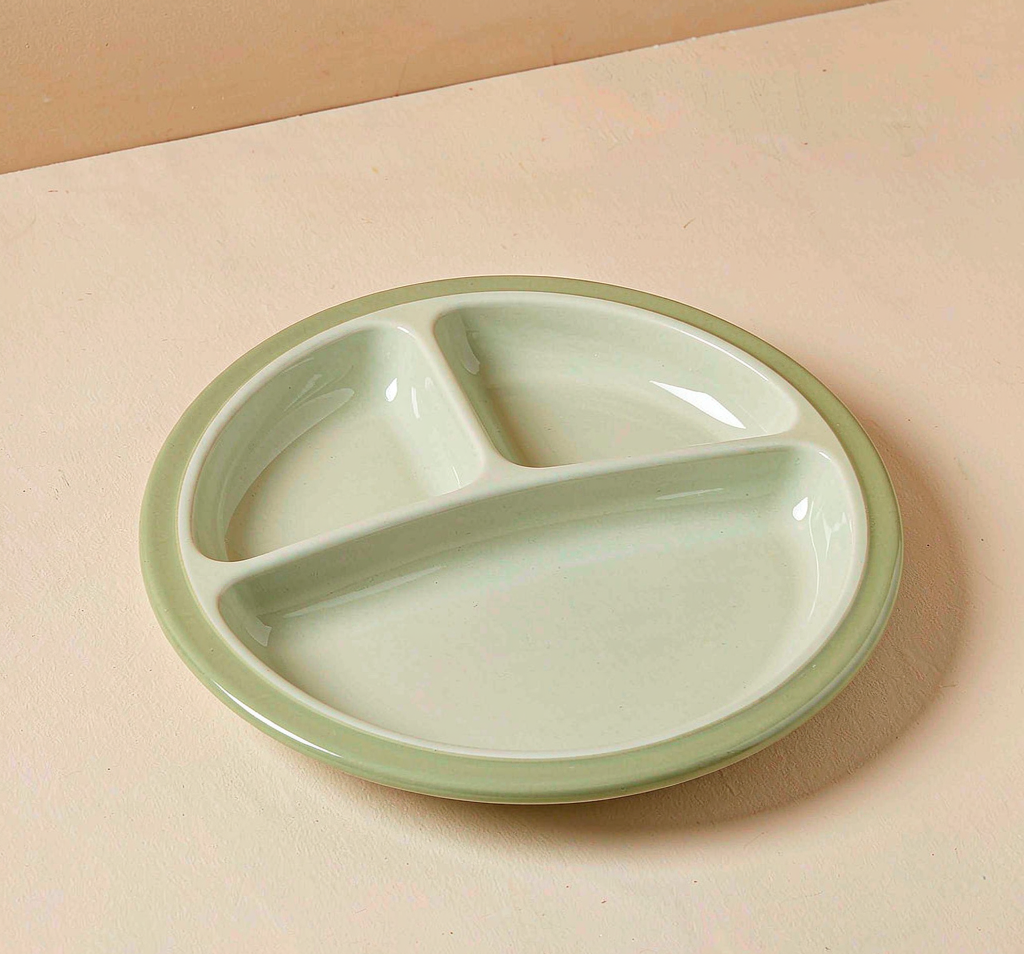
The return rack is the cafeteria's most important furniture: the tray's journey back, the ware's sorting, the machine's feed — the return's architecture that decides whether the dish room is fed or starved. The return system's program: the rack's geometry, the sort's stations, the conveyor's design, and the flow's choreography. This guide builds the return.
The Rack's Geometry
The return rack's design feeds the dish room: the rack's geometry — the rack's angle (the tray's slide: the guest's deposit's ease), the compartment's widths (the tray's profile: the rack's fit), and the rack's depth (the trays' capacity: the rack's buffer). The geometry's discipline: the angle's design (the tray's slide without jamming: the return's flow), and the rack's capacity (the lunch storm's buffer: the trays' waiting). The rack's geometry is the return's design: the tray's journey's start.
The Sort's Stations
The return's ware sorts at the stations: the sort's stations — the trash's first (the napkins and the food waste: the scrape's and the toss's), the cutlery's bin (the forks and the knives: the small ware's containment), the plate's stack (the plates' and the bowls' separation: the wash's sorting), and the glass's rack (the cups' and the tumblers' return: the glass's and the polymer's separation). The stations' discipline: the sort's flow designed (the ware's separation: the dish room's feed), and the stations' capacity (the lunch storm's sorting: the return's throughput). The sort's stations are the return's sorting: the ware separated, the machine fed.
The Conveyor's Design
Large cafeterias conveyor the returns: the conveyor's design — the belt's speed (the trays' transport: the return's flow's pace), the belt's width (the tray's footprint: the conveyor's geometry), and the drop's points (the sorting's stations along the belt: the ware's separation). The conveyor's discipline: the belt's speed matched (the return's flow: the conveyor's rhythm), and the belt's maintenance (the belt's condition: the conveyor's reliability). The conveyor's design is the return's volume mode: the trays' transport, automated.
The Flow's Choreography
The return's flow prevents the queue: the flow's choreography — the return's windows (multiple stations: the queue's distribution), the staff's paths (the busser's and the dish washer's routes: no crossing), and the peak's choreography (the lunch storm's return wave: the flow's surge). The choreography's discipline: the return's windows multiple (the queue's distribution: the storm's absorption), and the flow's testing (the peak's rehearsal: the return's reality's check). The flow's choreography is the return's operations: the ware's journey, designed for the wave.
The Hygiene's Station
The return's station is the hygiene's checkpoint: the hygiene's station — the scrape's verification (the pre-scrape's culture: the soil's management), the sanitizer's presence (the wipe's station: the surface's hygiene), and the staff's protocol (the return's handling: the hygiene's discipline). The station's discipline: the scrape's enforcement (the return's protocol: the pre-scrape's habit), and the hygiene's audit (the return's condition: the ware's hygiene's read). The hygiene's station is the return's safety: the ware's cleanliness checked at the return.
The Machine's Feed
The return feeds the dish machine: the machine's feed — the rack's loading (the sorted ware: the machine's input), the machine's cycle (the wash's rhythm: the fleet's turnover), and the clean's output (the stacks' staging: the next meal's supply). The feed's discipline: the machine's loading (the sorted ware's racks: the wash's efficiency), and the clean's staging (the output's stacks: the next service's supply). The machine's feed is the return's purpose: the ware's cycle, the fleet's turnover.
Frequently Asked Questions
Why is the return rack the most important furniture? The dish room's feed: the tray's journey back, the ware's sorting, the machine's input — the return's architecture decides whether the dish room is fed or starved.
What does the sort station separate? The ware's classes: the trash's first, the cutlery's bin, the plate's stack, the glass's rack — the ware separated for the machine's wash and the fleet's return.
How does the conveyor work? The belt's speed and the drop's points: the trays' transport automated, the sorting's stations along the belt — the return's volume mode.
What is the flow's choreography? The return's windows, the staff's paths, the peak's rehearsal: the ware's journey designed for the lunch storm's wave — the return's operations.
What does the hygiene station check? The scrape's verification, the sanitizer's presence, the staff's protocol: the ware's cleanliness checked at the return — the hygiene's checkpoint.

