Nov 1, 2026Chain Operations
Melamine Tray Design for Fast Casual: The Speed Geometry
The fast-casual tray moves at the counter's speed. The guide: the tray's footprint, the compartment's reach, the stack's density and the turn's choreography.

The fast-casual tray moves at the counter's speed: the tray ordered at the register, filled at the stations, carried to the table, and cleared in minutes. The tray's design is the format's speed geometry — the footprint, the compartments' reach, the stack's density, and the turn's choreography. This guide specs the speed.
The Tray's Footprint
The fast-casual tray's footprint is the counter's geometry: the tray's footprint — the counter's width (the tray's fit: the register's and the station's reach), the tray's shape (the rectangle's or the oval's: the counter's geometry), and the footprint's economy (the tray's size: the counter's real estate). The footprint's discipline: the tray matched to the counter's width (the service's flow: the geometry's match), and the tray's economy (the size's honesty: the portion's read). The tray's footprint is the fast-casual's stage: the counter's geometry, the tray's fit.
The Compartment's Reach
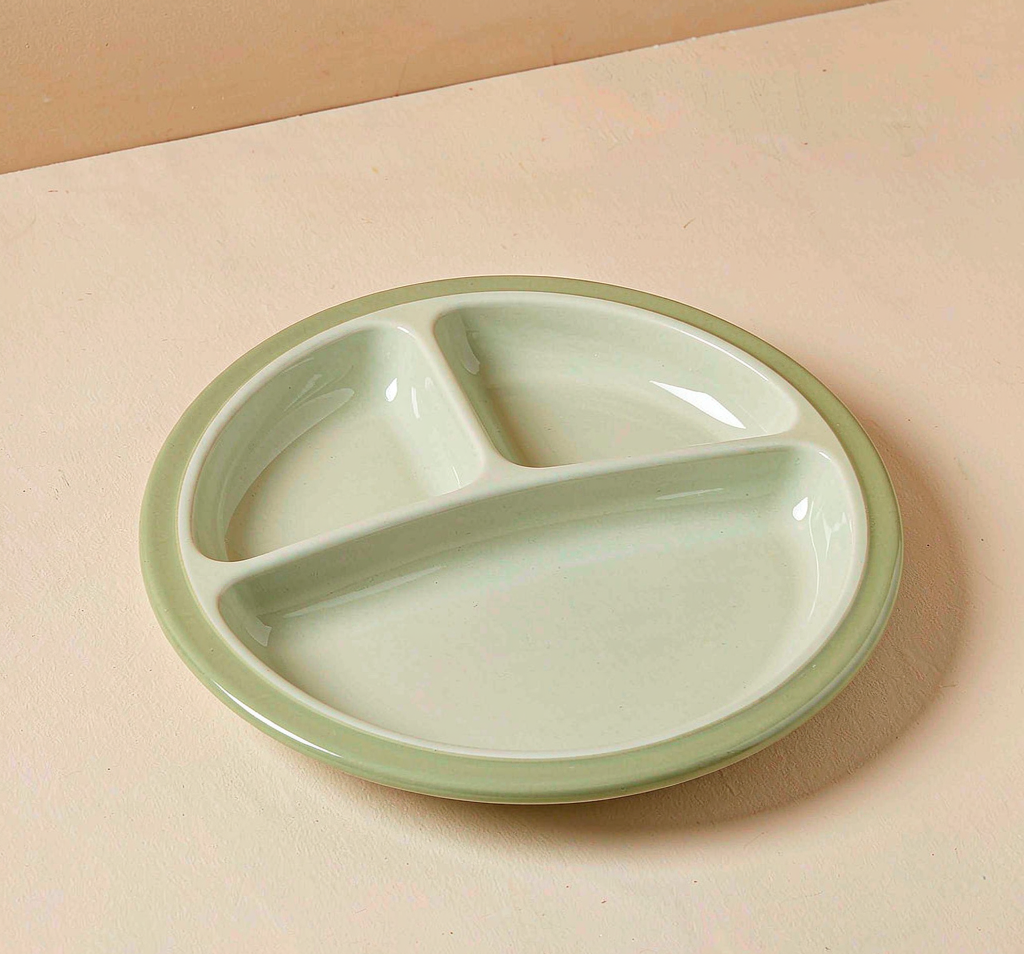
The tray's compartments serve the menu: the compartment's reach — the entrée's space (the main's compartment: the portion's room), the sides' divisions (the two sides' compartments: the meal's balance), the drink's slot (the cup's placement: the tray's stability), and the condiment's caddy (the sauce's station: the table's independence). The reach's discipline: the compartments matched to the menu's items (the food's geometry: the tray's compartments' design), and the reach's testing (the actual meal in the actual tray: the portions' reality). The compartment's reach is the tray's menu mirror: the food's architecture, mapped.
The Stack's Density
The fast-casual trays stack: the stack's density — the nesting's depth (the trays' profile: the stack's centimeters), the stacking's stability (the trays' alignment: the stack's integrity), and the storage's economy (the stack's footprint: the shelf's capacity). The density's discipline: the nesting's design (the trays' geometry: the stack's depth engineered), and the stack's limit (the weight's and the height's: the stack's safety). The stack's density is the fast-casual's storage: the trays' nesting, the counter's supply.
The Turn's Choreography
The fast-casual table turns in minutes: the turn's choreography — the bus's motion (the tray's lift, the table's wipe: the reset's sequence), the tray's return (the ware's journey to the dish room: the return's flow), and the table's readiness (the next guest's setting: the counter's supply). The choreography's discipline: the bus's speed (the tray's clearing: the table's turn in seconds), and the ware's return (the tray's flow: the dish room's cycle). The turn's choreography is the fast-casual's rhythm: the table's reset, the ware's return.
The Guest's Carry
The guest carries the tray: the guest's carry — the tray's balance (the loaded tray's center: the carry's stability), the handles' or the edges' grip (the guest's hold: the carry's comfort), and the weight's honesty (the loaded tray's feel: the portion's read). The carry's discipline: the tray's balance designed (the weight's distribution: the carry's stability), and the guest's path (the table's route: the carry's journey). The guest's carry is the tray's usability: the meal's transport from the counter to the table.
The Brand's Surface
The tray carries the brand: the brand's surface — the tray's color (the brand's palette: the fleet's identity), the print's surface (the branded mat or the printed tray: the brand's media), and the consistency's read (the tray's condition: the brand's care's signal). The surface's discipline: the tray's color managed (the fleet's palette: the brand's consistency), and the tray's condition audited (the wear's and the stains': the fleet's brand's maintenance). The brand's surface is the tray's identity: the fast-casual's brand, carried on every tray.
Frequently Asked Questions
What footprint does a fast-casual tray need? The counter's width: the tray's fit at the register and the stations — the service's flow's geometry, the tray's size matched to the counter's real estate.
How does the compartment serve the menu? The entrée's space, the sides' divisions, the drink's slot, the condiment's caddy: the tray's compartments as the menu's mirror.
Why does the stack's density matter? The counter's supply: the nesting's depth, the stacking's stability, and the storage's economy — the trays' nesting that keeps the counter stocked.
How fast does the table turn? The bus's choreography: the tray's lift, the table's wipe, the ware's return — the table's reset in seconds, the ware's journey to the dish room.
What does the tray's color say? The brand's identity: the palette's consistency, the print's surface, the condition's audit — the fast-casual's brand, carried on every tray.