Chain Operations
Melamine Serving Tray Selection: The Banquet's Volume Platform
The serving tray carries the banquet's volume. The guide: the tray's size classes, the melamine's weight advantage, the edge's design and the wash turnaround's math.
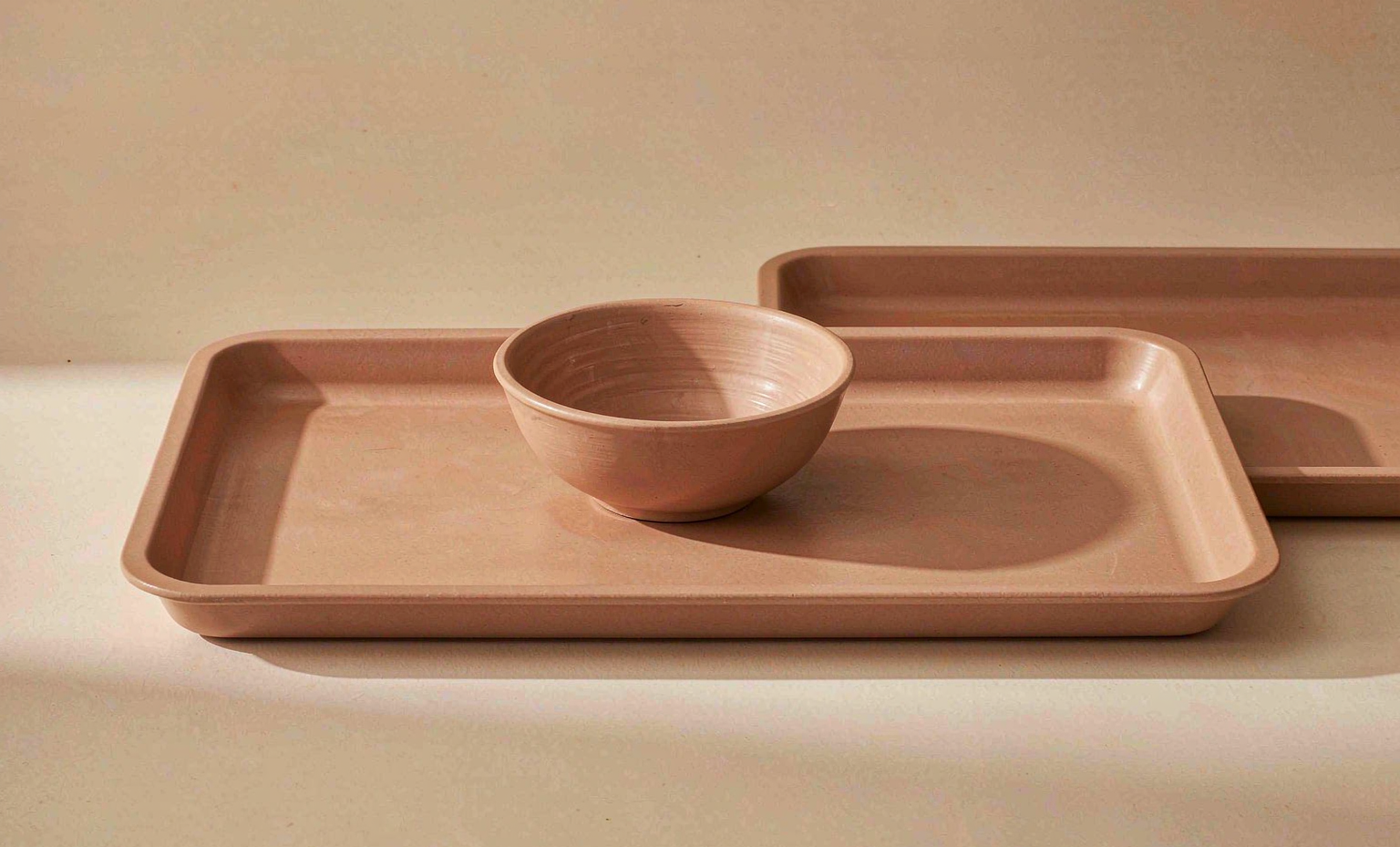
The serving tray carries the banquet's volume: the platters that feed two hundred covers, the trays that transport the meal from the kitchen to the table. The serving tray program is the banquet's logistics platform — the sizes, the materials, the edge's design, and the wash turnaround. This guide specs the platform.
The Tray's Size Classes
The serving trays come in classes: the tray's size classes — the small tray (the two-cover's service: the individual's platter), the medium tray (the four-to-six covers: the table's share), and the large tray (the banquet's centerpiece: the long table's service). The classes' discipline: matched to the banquet's serving architecture (the course's portions: the tray's size per course), and the tray's footprint accounted (the table's real estate: the tray's space). The tray's size classes are the banquet's serving map: each course's platform sized.
The Weight Advantage
The serving trays carry heavy loads: the weight advantage — melamine's lighter body (the same size's lighter tray: the server's carry), the tray's load capacity (the loaded tray's weight: the food's and the tray's), and the server's ergonomics (the carry's frequency: the wrist's and the back's health). The advantage's discipline: the weights measured (the loaded trays: the melamine's and the alternatives'), and the carry's impact quantified (the shift's tray carries: the weight's cumulative). The weight advantage is the melamine's operational case: the lighter trays that the staff carries all shift.
The Edge's Design
The serving tray's edge takes the fleet's abuse: the edge's design — the rim's profile (the rolled's or the flat's: the collision's deflection), the edge's reinforcement (the rim's gauge: the chip's defense), and the edge's finish (the glaze's surface: the wear's first read). The design's discipline: the edge tested (the bus tub's collision: the rim's defense verified), and the edge's wear read (the rim's surface: the fleet's aging's read). The edge's design is the tray's chip defense: the collision's first point, engineered.
The Wash Turnaround's Math
The banquet's fleet turns overnight: the wash turnaround — the melamine's machine tolerance (the commercial cycles: the fleet's rapid return), the wash capacity (the racks per hour: the machine's output), and the fleet's renewal (the next event's supply: the fleet's readiness). The math's discipline: the turnaround's schedule (the event's calendar: the fleet's availability), and the fleet's depth (the pieces in circulation: the event's math). The wash turnaround is the banquet's logistics: the fleet's cycle between celebrations.
The Storage's Nesting
The serving trays store in tight stacks: the storage's nesting — the nesting's depth (the trays' profile: the stack's centimeters), the stacking's stability (the alignment: the stack's integrity), and the storage's footprint (the fleet's space: the shelf's capacity). The nesting's discipline: the nesting tested (the actual stack: the depth's measurement), and the storage's organization (the trays' zones: the retrieval's map). The storage's nesting is the fleet's space economy: the trays' storage per shelf-meter.
The Customization's Tier
The serving trays carry the brand: the customization's tier — the logo's application (the laser's or the decal's: the branding's method), the color's custom (the Pantone's match: the brand's palette), and the shape's custom (the mold's investment: the design's exclusivity). The tier's discipline: the customization's cost (the mold's and the decoration's: the brand's investment), and the customization's return (the brand's recognition: the table's marketing). The customization's tier is the serving tray's brand value: the ware that carries the chain's identity.
Frequently Asked Questions
What size serving tray for a banquet? Matched to the banquet's serving architecture: the small for individual platters, the medium for the table's share, the large for the centerpiece — each course's tray sized.
Why melamine for banquet serving trays? The weight advantage and the durability: the lighter carry for the staff, the unbreakable's survival in the event's physics — the banquet's operations melamine's strength.
How does the edge's design prevent chips? The rolled profile's reinforcement: the impact's deflection and the thicker rim's mass — the chip's defense engineered at the design's table.
What is the wash turnaround's math? The fleet's cycle between events: the melamine's machine tolerance, the wash capacity, and the fleet's renewal — the banquet's logistics.
Can serving trays carry the brand? Yes: the logo's application (laser or decal), the color's custom (Pantone matched), and the shape's custom (mold invested) — the tray as the chain's identity.