Chain Operations
Sauce Dish Systems: The Small Plates' Grammar
Sauce dishes are the table's punctuation. The guide: the shapes' soy, the sets' families, the fill's lines and the program's smalls.
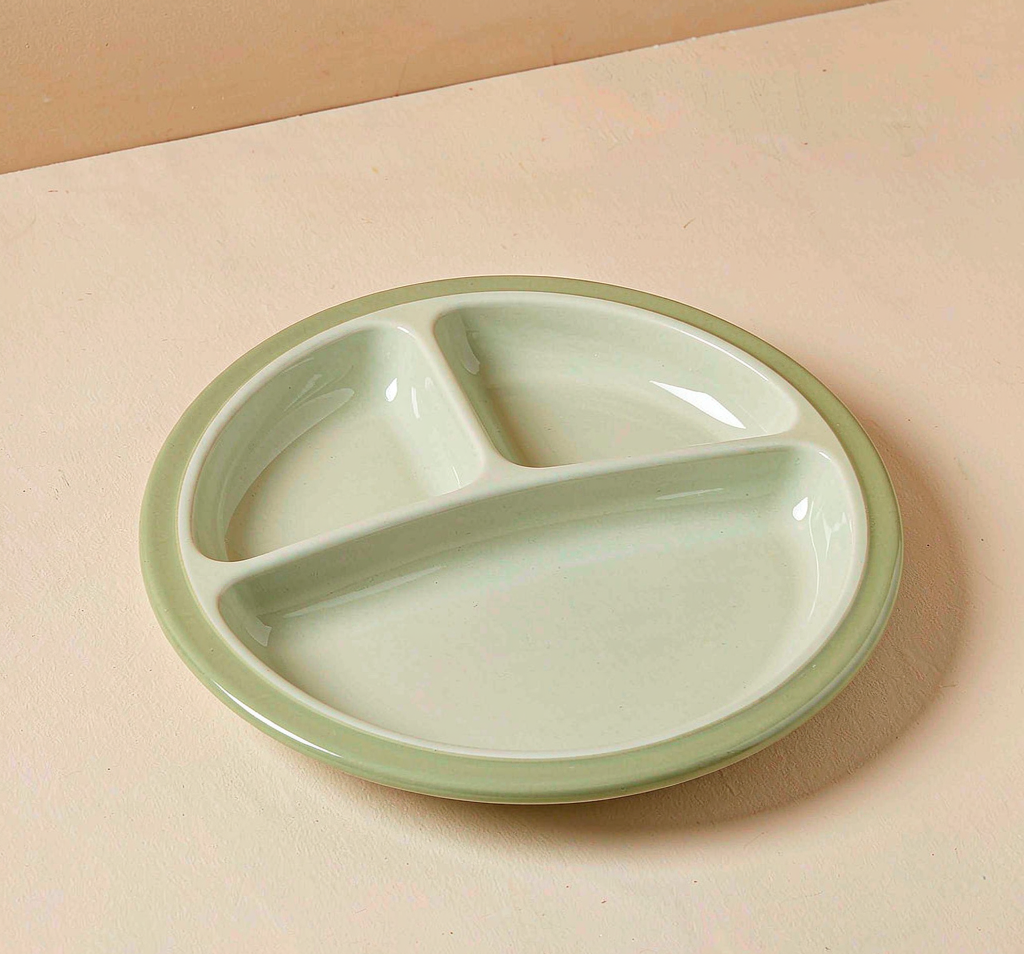
Sauce dishes are the table's punctuation: the shapes' soy and the sets' families — the smalls whose grammar seasons the meal's read. The sauce dish guide is the smalls' read: the shapes' craft and the program's grammar. This guide punctuates the table.
The Shapes' Soy
Soy designs the dish: the shapes' soy — the saucer's flat (the dip's pool: the rim's dip), the bowl's depth (the sauce's hold: the spoon's rest), the compartment's pair (the soy's and the chili's: the diner's choice), and the shapes' honesty (the venue's actual dishes: the diner's read). The shapes' discipline: the pool's respect (the dip's craft: the rim's read), and the pair's demand (the choice's craft: the diner's peace). The shapes' soy is the smalls' first craft: the pools that the table's dips trust.
The Sets' Families
Sauce dishes run in families: the sets' families — the sushi's set (the soy's and the ginger's: the wasabi's seat), the hotpot's quartet (the sesame's and the garlic's: the pot's partners), the steak's duo (the pepper's and the butter's: the grill's pair), and the families' honesty (the menu's actual sets: the diner's read). The families' discipline: the set's craft (the partners' design: the meal's grammar), and the quartet's respect (the partners' craft: the pot's peace). The sets' families are the smalls' system: the groups that the menus' dishes order.
The Fill's Lines
Fills mark the dish's work: the fill's lines — the capacity's call (the ounces' truth: the pour's grammar), the refill's rhythm (the sauces' flow: the service's read), the stain's watch (the colors' set: the dish's wash), and the lines' honesty (the venue's actual fills: the program's read). The lines' discipline: the capacity's respect (the truth's design: the pour's law), and the rhythm's demand (the flow's craft: the service's peace). The fill's lines are the smalls' work: the pours that the table's rhythm reads.
The Program's Smalls
Programs spec the smalls: the program's smalls — the shapes' ladder (the dishes' range: the menu's grammar), the stack's design (the nests' fit: the shelf's math), the wash's fit (the racks' grammar: the machine's peace), and the smalls' honesty (the chain's actual spec: the supplier's read). The smalls' discipline: the ladder's respect (the range's design: the menu's grammar), and the nest's demand (the fit's craft: the shelf's math). The program's smalls are the sauce dish's contract: the specs that the chain's orders read.
The Supplier's Grammar
The melamine market reads grammars: the supplier's grammar — the shapes' range (the dishes' craft: the chains' choice), the sets' honesty (the families' rigor: the menus' law), the continuity's craft (the batches' match: the fleets' sameness), and the grammar's honesty (the buyers' actual need: the supplier's homework). The grammar's practice: the shapes' homework (the smalls' anatomy: the supplier's study), and the relationships' rhythm (the buyers' menus: the trust's years). The supplier's grammar is the market's door: the smalls that the tables' dips respect.
Frequently Asked Questions
What shapes do sauce dishes take? The saucer's pool, the bowl's hold and the compartment's pair: the crafts that the table's dips trust.
Which sets do menus order? Sushi's trio, hotpot's quartet and the steak's duo: the families that the menus' dishes order.
What lines do fills read? Capacity callouts, refill rhythms and the stain's wash: the work that the table's rhythm reads.
What belongs in the smalls' spec? Shape ladders, stacking nests and rack fit: the contract that the chain's orders read.
What should buyers demand? Shape ranges, set families and batch continuity: the smalls that the tables' grammar respects.