
Oct 29, 2026Material & Compliance
Melamine Safety: What the Material Is and Is Not
Melamine runs half the world's casual dining tables — and carries half the industry's myths. A buyer's plain guide to what the material is, and the rules that keep it safe.
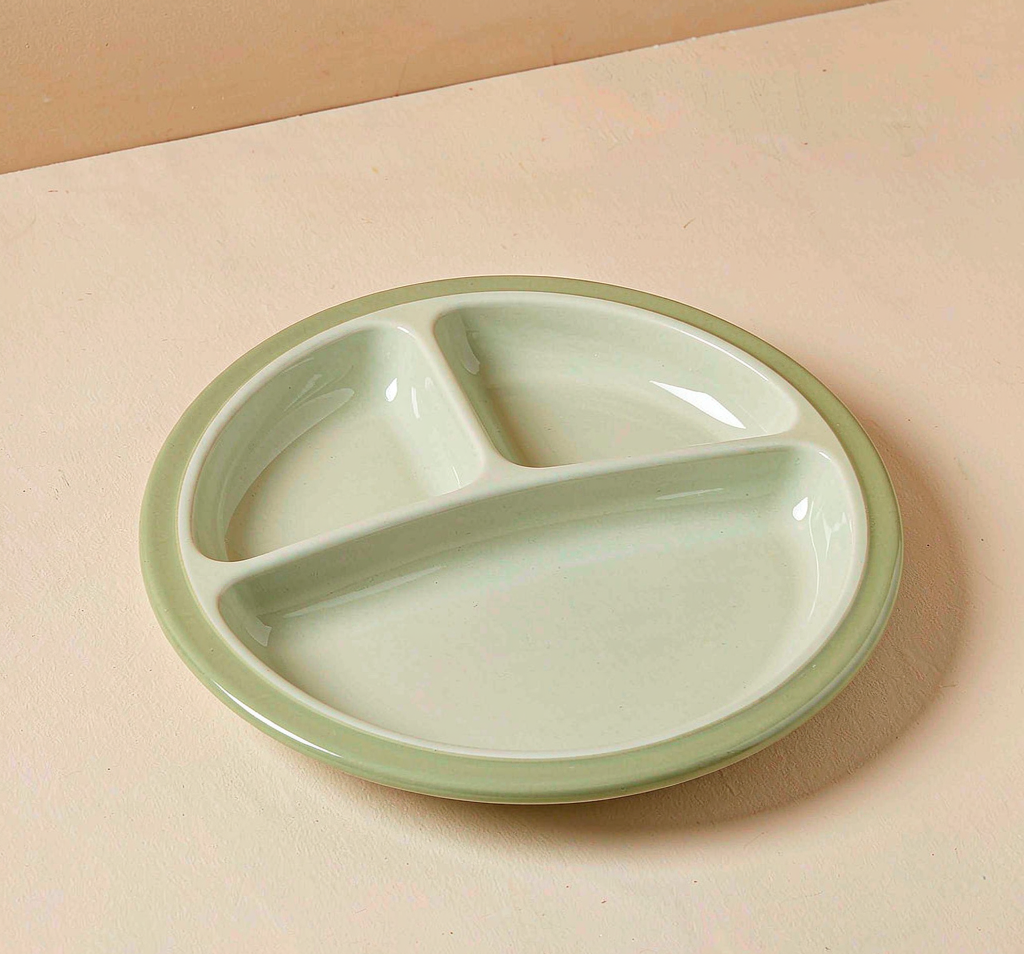
Melamine is the workhorse of commercial tableware — the unbreakable plate under half the world's casual dining — and it carries more folklore than any other material. Buyers hear "it's plastic," "it's poisonous," "it can't touch anything hot." The truth is simpler and more useful: melamine is a safe, regulated, high-performance material with a small number of hard rules. This guide states them plainly.
What Melamine Actually Is
Melamine tableware is melamine-formaldehyde resin: a thermoset polymer molded under heat and pressure into dense, hard, ceramic-like ware. The material's strengths are why the industry runs on it: near-unbreakable at drop heights, light for tray carries, dishwasher-safe through thousands of cycles, and moldable into colors and shapes that ceramic cannot match at the price. It is not disposable plastic — a melamine plate is a durable good with a service life measured in years.
The Regulation Layer
Food-contact melamine is regulated: major markets set migration limits for melamine and formaldehyde, and compliant products are made and tested to those limits. The buyer's discipline: source from suppliers who document compliance (test reports for the target market's rules), and treat "melamine-safe" claims the way any food-contact claim is treated — with paperwork, not adjectives. The regulatory floor is the baseline; reputable manufacturers sit above it.
The Heat Rules (The Ones That Matter)
Melamine's real limits are thermal, and they are simple:
Use | Verdict |
|---|---|
Dishwasher (commercial cycles) | Safe — the material's home ground |
Hot food served on the plate | Safe — normal plating temperatures are fine |
Microwave | No — the material does not microwave-safe certify; food may heat unevenly and the ware can be damaged |
Oven, hot-holding lamps, open flame | No — sustained high heat degrades the material |
Hot oil, frying duty | No — far beyond its temperature ceiling |
The rules in one sentence: melamine serves hot food; it does not cook, reheat, or hold under heat. The kitchen's training line: "off the pass, onto the plate, never into the oven."
The Scratch and Wear Story
Melamine wears: thousands of wash cycles and knife contacts slowly roughen the surface. The safety and quality questions ride together — a heavily worn surface is harder to clean and looks tired. The retirement line: plates whose surfaces have gone matte, rough, or heavily knife-scored leave service. The fleet's cycle-count discipline: melamine is durable, not immortal — the fleet ledger should track age the way any durable good does.
The Acid and Stain Reality
Melamine handles most foods but signs a stain contract: turmeric, tomato, and concentrated acids tint surfaces over time, and the material's gloss is its armor — worn surfaces stain faster. The operations answer: wash promptly (stains set), avoid prolonged contact with staining foods, and retire pieces that the wash no longer recovers. The stain line is cosmetic first, hygiene second — and both matter.
The Myths, Corrected
"Melamine is poisonous." Compliant melamine tableware, used within its thermal rules, meets food-contact migration limits. The material's bad reputation comes from adulterated food-industry incidents (melamine fraud in milk products) — a different subject entirely from molded tableware made to standard.
"You can't serve anything hot." You can serve hot food on it — plating temperatures are within its design range. You cannot put it in the microwave, oven, or under a heat lamp.
"It's just plastic." Thermoset melamine is a different material class from everyday plastics: harder, denser, more heat-tolerant, and dishwasher-proven at commercial cycle counts.
The Buying Checklist
The buyer's verification list: ① test reports for the target market's food-contact rules, ② the manufacturer's stated temperature ceiling in writing, ③ dishwasher-cycle documentation (the good suppliers state it), ④ a sealed reference sample for color and finish, and ⑤ the supplier's own retirement guidance. The checklist takes an afternoon and prevents the myths from becoming procurement errors.
The Training Line
The floor's training line, in one breath: "Melamine serves; it never cooks. Dishwasher yes, microwave no, oven never. Worn pieces retire." Fifteen words that keep a melamine fleet safe, legal, and presentable for its whole service life.
Frequently Asked Questions
Is melamine tableware safe for hot food? Yes — normal plating temperatures are within the material's design range. The hard rules are about sustained heat: no microwave, no oven, no heat lamps, no frying duty.
Why can't melamine go in the microwave? The material is not microwave-certified: it can be damaged, and food heating behavior is unreliable. Reheating happens in microwave-safe vessels, not on the serving plate.
How long does a melamine plate last? Years of commercial dishwashing — but not forever. The retirement line runs on surface condition: matte, rough, or heavily scored pieces leave service.
What should buyers demand from suppliers? Migration test reports for the target market, a written temperature ceiling, cycle documentation, sealed color references, and retirement guidance. Paperwork beats adjectives.
Where did the "melamine is poisonous" myth come from? From food-fraud incidents involving melamine added to milk products — a completely different subject from molded, regulated tableware made to food-contact standards.

