Nov 1, 2026Chain Operations
Melamine Serveware for Room Service: The Hotel In-Room Tray
Room service melamine makes a long unaccompanied journey. The guide: the tray's spec, the lid's system, the corridor's test and the return's logistics.
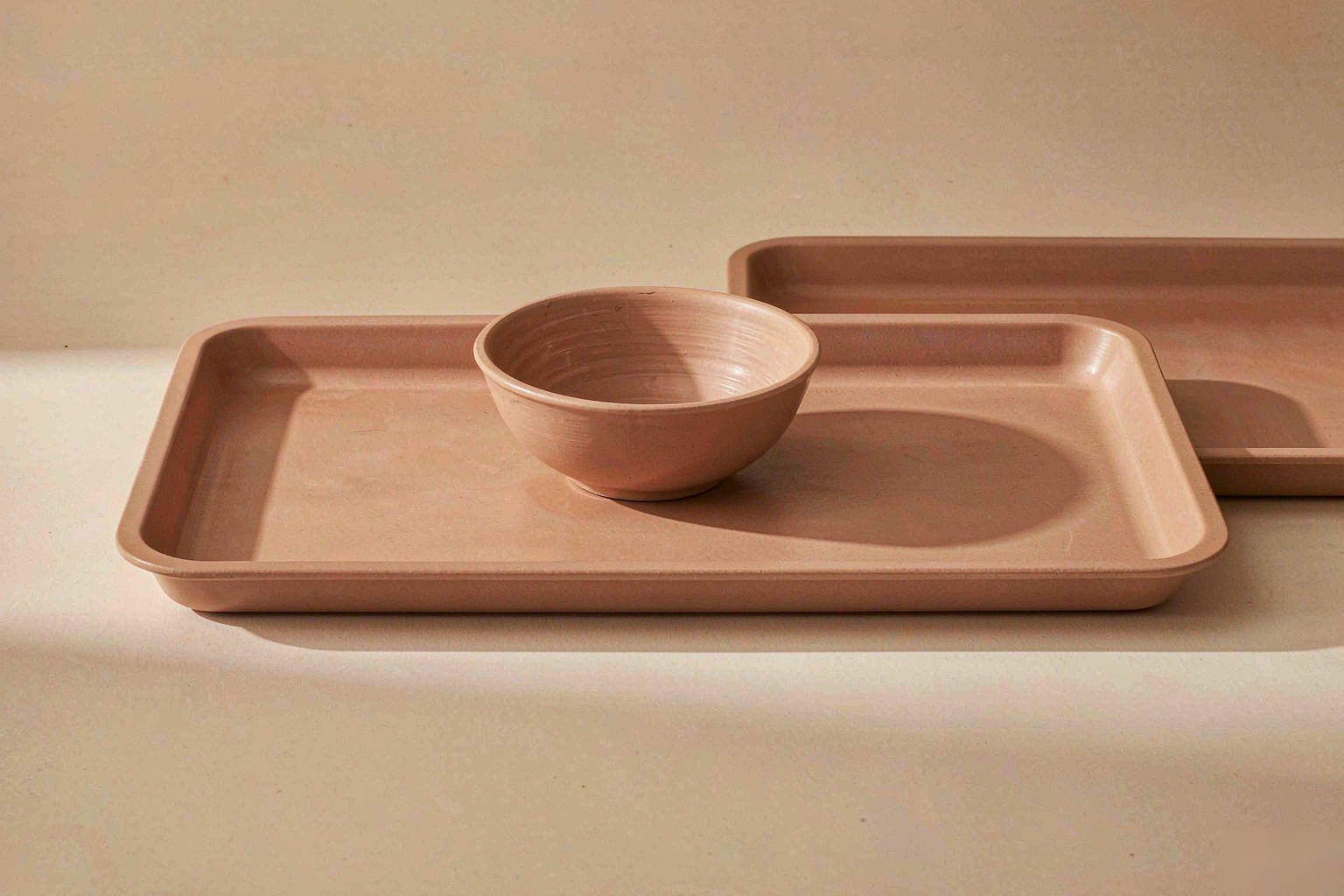
Room service melamine makes a long unaccompanied journey: the tray leaves the kitchen, rides the elevator, waits outside a door, enters a room, and returns by a path no server controls. The room service melamine program is the in-room journey's engineering — the tray's spec, the lid's system, the corridor's test, and the return's logistics. This guide specs the journey.
The Tray's Spec
The room-service tray carries the meal's whole architecture: the tray's spec — the size's discipline (the tray matched to the menu's composed formats: not a generic guess), the non-slip surface (the carpet-texture top: the plates' and the glasses' stability), the edge's height (the raised lip: the tilt's last defense), and the rigidity's test (the loaded carry's flex: the tray's stiffness). The spec's discipline: the tray matched to the menu's actual composed formats, and the test's honesty (the loaded tray carried across the room: the flex's and the slide's read). The tray's spec is the in-room journey's foundation: the meal's stage, engineered for the corridor.
The Lid's System
The room-service lid is the meal's armor: the lid's system — the cloche's ceremony (the metal dome: the entrée's presentation), the soup cup's lid (the seal's fit: the liquid's journey), the cutlery's wrap (the sealed packet: the hygiene's and the presentation's), and the condiment's sealing (the sauces' lids: the drip's prevention). The system's discipline: the lid's fit tested (the deepest menu item: the seal's verification), the condensation managed (the vented lids: the steam's release), and the lid's fleet counted (the pieces' inventory: the loss's factor). The lid's system is the journey's protection: the meal's armor for the corridor's test.
The Corridor's Test
Every program runs one honest rehearsal: the corridor's test — the full menu packed as delivered, carried the property's longest route (the elevator, the carpet, the threshold, the turn), and opened in the room. The test's reading: everything that shifted, spilled, or arrived cold is a spec failure — the failure that repeats on every delivery until the spec changes. The test's discipline: the corridor's rehearsal scheduled (the program's periodic check: the route's changes caught), and the findings' actions (the spec's corrections: the tray's, the lid's, the packing's). The corridor's test is the room-service program's quality gate: the meal's journey, rehearsed and corrected.
The Return's Logistics
The room-service fleet returns through paths no server controls: the return's logistics — the corridor's aging (the tray's hours in the hallway: the service-level agreement), the linen cart's discipline (the plates never ride with linens: the cart's most common destroyer), and the housekeeping's check (the room's visible ware: the guest-room losses counted). The logistics' discipline: the return's SLA (the trays cleared within the window: the housekeeping's and the room-service's handoff named), and the loss's factor (the fleet's math: the retention and the breakage's rates). The return's logistics is the fleet's survival: the trays that come back, the pieces that don't.
The Guest-Facing Register
The room-service tray is the hotel's table in miniature: the guest-facing register — the tray's cleanliness at a glance, the cloche's lift's ceremony, the napkin's fold that survives the corridor, and the presentation's consistency (the tray styled as the restaurant's table: the hotel's care's signal). The register's discipline: the tray's styling per format (the suite's ceremony, the standard room's efficiency), and the condition's audit (the fleet's surfaces: the chipped and the stained pieces' exits). The guest-facing register is the room service's brand: the tray's condition as the hotel's care's evidence.
The Fleet's Depth and Loss
Room service fleets shrink through three doors: the fleet's depth and loss — the guest's retention (the cups and the cutlery that stay in rooms), the staff's process losses (the trays left in odd corners), and the breakage's rate (the corridor's and the elevator's casualties). The fleet's math: the loss's factor per class (the retention's and the process's rates: the ledger's actuals), and the replacement's rhythm (the fleet's replenishment: the calm's buying against the loss's data). The fleet's depth and loss is the room service's inventory: the ware's walking inventory, counted and managed.
Frequently Asked Questions
What spec does room-service melamine need? The corridor's journey: the non-slip surface, the raised edges, the rigidity under load, and the size matched to the menu's composed formats — the tray engineered for the unaccompanied journey.
Why is the lid system critical? The meal's armor: the cloche's presentation, the soup's seal, the cutlery's wrap — each lid converts a spill from likely to rare, and the venting manages the condensation's rain.
What is the corridor's test? The program's quality gate: the full menu packed as delivered, carried the longest route, opened in the room — everything that shifted or spilled is a spec failure.
How does the fleet handle returns? The return's SLA, the linen cart's ban, and the housekeeping's check: the trays that come back managed, the losses counted, the fleet's math honest.
What is the guest-facing register? The tray's condition as the hotel's care: the cleanliness, the cloche's ceremony, the napkin's fold — the room service's brand, visible in the corridor's light.