
Nov 1, 2026Chain Operations
Melamine Compartment Trays for Institutional Dining: The Complete Guide
The compartment tray is the cafeteria's plate, menu and portion controller. The guide: the compartment's design, the menu's mapping, the abuse spec and the fleet's annual cycle.
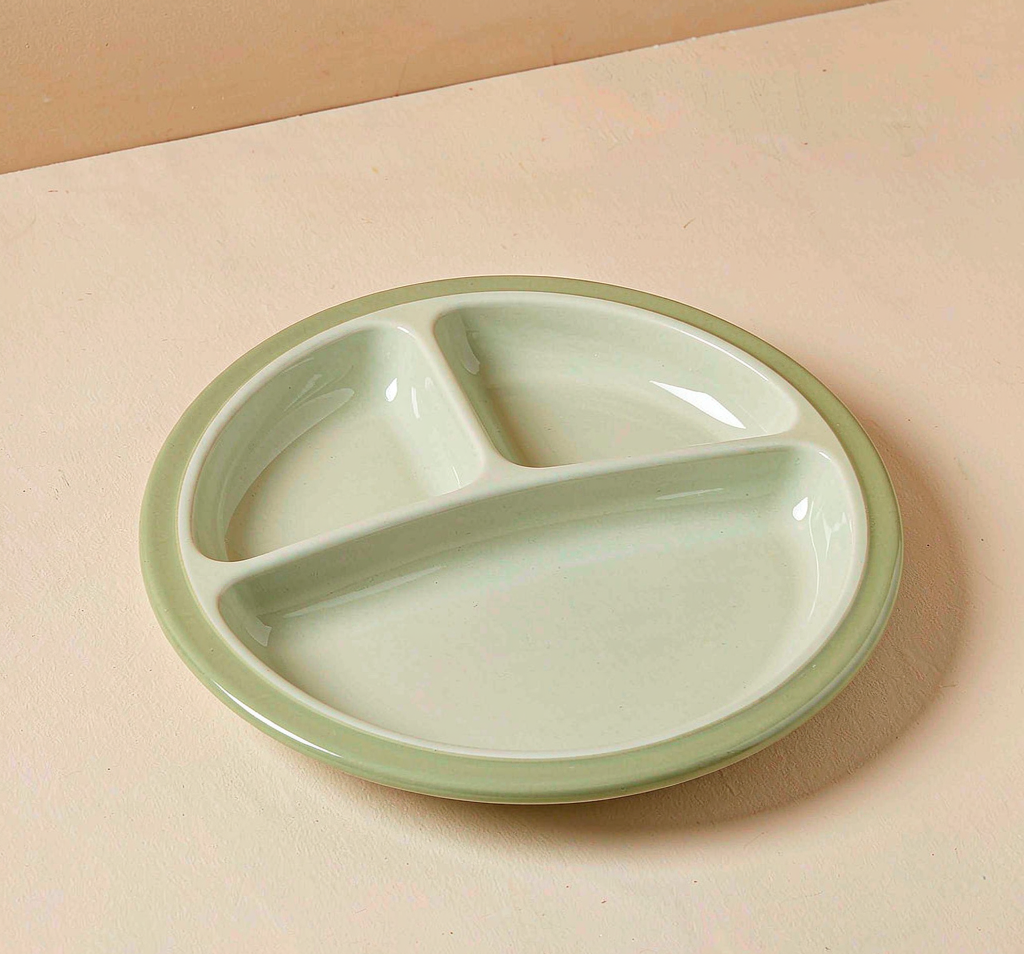
The compartment tray is the cafeteria's plate, menu and portion controller: the divisions that serve the meal's architecture, the melamine that survives the volume's abuse, and the fleet that turns thousands of covers per day. The compartment tray program is the institutional format's core ware. This guide specs it completely.
The Compartment's Design
The tray's divisions serve the menu: the compartment's design — the divisions' count (three to six: the menu's architecture's mirror), the divider's height (the gravy's and the sauce's containment: the wet-dry's boundary), the compartment's sizing (the protein's and the starch's volumes: the meal's proportions mapped), and the layout's versioning (the menu's change: the tray's fleet tied to the recipe's evolution). The design's discipline: the divisions matched to the food program's items (the actual menu: the tray's compartments as the menu's mirror), and the layout's testing (the actual meal in the actual tray: the composition's reality). The compartment's design is the tray's architecture: the menu frozen into the melamine.
The Abuse Survival Specification
Institutional melamine lives the hardest life: the abuse survival — the drop's tolerance (the tray's fall from the line: the impact's melamine strength), the stacking's compression (the trays' weight: the bottom tray's load), the chemical's exposure (the cleaning compounds' and the food acids' contact: the surface's chemistry), and the heat's boundaries (the hot line's temperature: the melamine's ceiling). The spec's discipline: the abuse tested (the candidate tray through the actual service's abuse: the reality's check), and the material's grade verified (the 100% melamine resin: the filler's absence in the abuse's context). The abuse survival spec is the tray's foundation: the material that survives the format's physics.
The Dish Room's Volume Management
The institutional dish room runs the industry's heaviest load: the dish room's volume — the covers per meal period (the lunch storm's thousands: the fleet's circulation), the wash cycles per piece (the frequency's accumulation: the melamine's endurance), the machine's capacity (the racks per hour: the dish room's throughput), and the fleet's depth (the pieces in circulation: the storm's math). The volume's discipline: the fleet's depth sized to the peak (the lunch storm's covers: the circulation's math), and the melamine's quality verified (the wash cycle's count: the thousands' tolerance). The dish room's volume is the fleet's turnover engine: the melamine's cycle count as the format's metric.
The Grip and Safety Layer
Institutional diners include children and elderly: the grip and safety layer — the handle's sizing (the mug's and the cup's grips: the small hands' and the arthritic's fit), the edges' rounding (the tray's and the plate's corners: the safety's geometry), the non-slip base (the tray's and the plate's grip: the surface's stability), and the weight's balance (the light enough to carry: the heavy enough to not slide). The layer's discipline: the population's testing (the grips sampled with the actual users: the children's and the elderly's hands), and the safety's dignity (the adaptive pieces designed as good design: the institutional's ware that doesn't read institutional). The grip and safety layer is the format's human spec: the ware that serves every diner's hands.
The Fleet's Annual Cycle
The institutional fleet runs on the school's or the facility's calendar: the fleet's annual cycle — the opening's inventory (the fleet's full count: the year's start), the attrition's tracking (the breakage's and the loss's ledger: the year's data), the replacement's budget (the fleet's renewal: the capex's calendar), and the summer's deep clean (the off-period's maintenance: the fleet's annual's service). The cycle's discipline: the fleet's depth sized to the peak (the enrollment's and the census's storm), and the attrition's honesty (the fleet's actual loss rate: the year's data driving the next year's budget). The fleet's annual cycle is the institutional program's rhythm: the melamine's fleet as the year's planned investment.
The Supplier's Institutional Capability
Not all melamine factories serve institutions: the supplier's capability — the volume's references (the school districts' and the hospital groups' fleets: the scale's proof), the spec's fluency (the institutional requirements' knowledge: the compartment's and the safety's specs), the pricing's structure (the volume tiers' honesty: the institutional's economics), and the delivery's logistics (the school year's calendar: the supply's timing). The capability's discipline: the supplier's references verified (the institutional clients' fleets: the melamine's performance in the actual conditions), and the institutional spec read (the supplier's understanding: the format's demands' depth). The supplier's institutional capability is the fleet's supply: the factory that knows the format's physics.
Frequently Asked Questions
Why is melamine the standard for institutional trays? The abuse survival: melamine survives the drops, the stacking, the chemical exposures and the wash cycles that ceramic cannot — the volume format's physics matching the material's strengths.
How many compartments should a tray have? As many as the menu's architecture needs: typically three to six, with the divider's height matched to the wet-dry boundary. The tray's layout is the menu's design frozen into the fleet.
How is the fleet's depth calculated? Covers per meal period × trays per cover × the wash turnaround — sized to the lunch storm, with the attrition's rate from the site's own ledger.
What safety specs matter for institutional trays? The grip's sizing, the edges' rounding, the non-slip bases, and the weight's balance: tested with the actual population, designed with the dignity's principle.
What should the buyer verify in the supplier? The institutional references (the scale's proof), the spec's fluency (the format's knowledge), the pricing's structure, and the delivery's logistics — the factory that knows the format's physics serves it best.

