
Oct 28, 2026Chain Operations
Melamine Buffet Systems: Pan-to-Pass Engineering for High-Volume Service
A buffet line is a materials-handling system wearing a menu. How chains engineer melamine buffet programs — tray gauges, pass widths, refill cycles and the three failure points that stop a line.
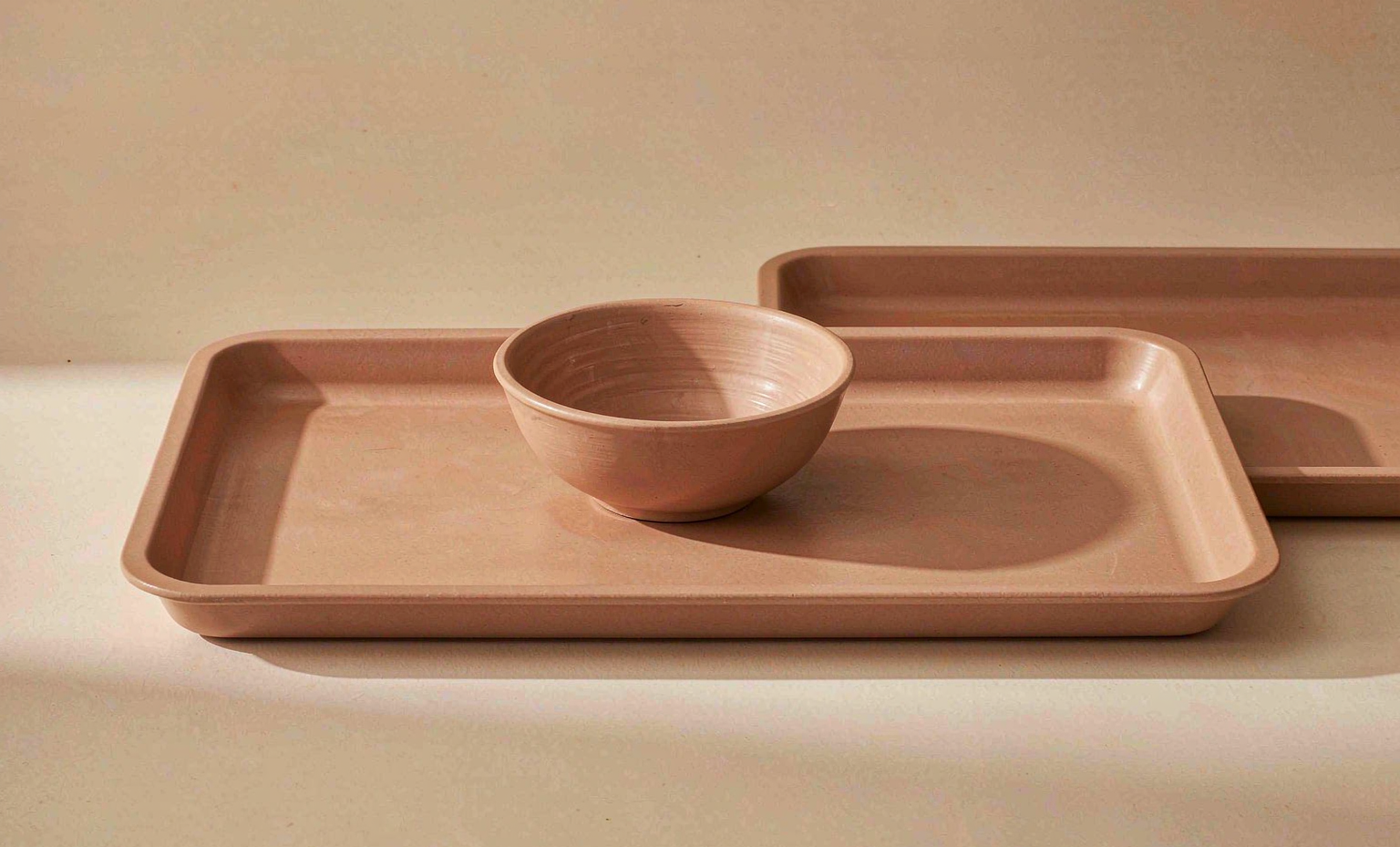
Melamine Buffet Systems: Pan-to-Pass Engineering for High-Volume Service
At 12:40 on a Sunday, a hotel buffet is moving more individual pieces of tableware per minute than any à la carte service in the building will move all day. Every plate, tray and bowl on that line is a moving part in a system — and when one part fails, the failure is not a chipped plate. It is a stopped line, a queue forming, and a manager carrying inserts by hand while the pan in the well runs dry.
Buffet tableware is engineered, not selected. This guide breaks the engineering into the four decisions that determine whether a melamine buffet program holds its rate — vessel format, line mechanics, refill discipline, and the failure points that actually stop service.
The Format Decision: What the Line Actually Needs
Buffet programs fail first at format level — buying beautiful pieces that do not fit the mechanics of a line. The working format map:
Format | Role on the line | Critical spec |
|---|---|---|
Compartment tray | Full-meal carry for guests | Divider height vs. sauciest menu item |
Round plates | Plating at attended stations | Rim profile for one-hand carry while serving |
Serving inserts | Hot wells and cold beds | Heat compatibility and well fit |
Small bowls and cups | Soup, sauce and dessert stations | One-hand pickup, stable foot |
Trays and platters | Display composition | Stack height for under-line storage |
The compartment tray deserves its own engineering pass because it is the guest's carrying system, not just a plate. Divider height that fails against a curry turns a one-trip guest into a two-trip guest — which at buffet scale means longer queues at the same seat count. Test compartment formats against the three sauciest items on the menu, not against dry demo food.

Line Mechanics: The Numbers That Govern Everything
Three numbers set the physics of a buffet line, and the tableware program must respect all three:
Pass width. The guest-side surface must carry the plate or tray flat with clearance on both sides. A tray wider than the pass forces guests to carry it tilted — which is a spill generator, not a style choice. When renovating or specifying counters, the tray footprint plus 5–8 cm of clearance per side is the minimum pass width.
Pan-to-piece ratio. Every serving insert needs a backstage twin in the dish cycle. The ratio that keeps lines running is roughly one insert in service, one being washed, one staged — a three-way rotation. Programs that order exactly the number of inserts there are wells discover this ratio the first time a line needs refilling mid-rush and the dish room is forty minutes behind.
Refill cycle time. Measure it once with a stopwatch: from insert empty at the well to replacement set. That number, multiplied against peak-line throughput, is the real insert count — not the number of wells. Chains that skip this arithmetic order inserts by well count and run short from opening day.
Refill Discipline: The Choreography
High-volume buffets do not refill reactively; they rotate on a rhythm. The working system:
Staged inserts at temperature. Hot inserts pre-heated in warmers, cold inserts pre-chilled, so the swap restores temperature instantly rather than asking the well to recover with food already in it.
The swap, not the top-up. Topping up a half-empty insert looks efficient and breaks the system: the older food ages past its window while hiding under the new. Full-insert swaps keep food safety clean and make the refill cycle measurable — which is what the pan-to-piece ratio was designed to support.
Line-side landing zones. The used insert needs a defined landing spot with a bus tub and clearance. Buffet lines stall on the swap-back more often than on the refill — nobody decided where the dirty insert goes, so it goes on the counter, and the counter is the pass.
The Three Failure Points That Stop Lines
Most buffet line stoppages trace to one of three tableware failures:
Insert warp. Melamine inserts live in heat wells, and thermal cycling stresses the body over time. A warped insert no longer seats in its well — it rocks, it spills at the lip, and eventually it will not come out without a fight. Warp is a scheduled replacement item: inspect inserts on a calendar, not on failure, and pull any insert that rocks on a flat table. This single discipline extends line reliability more than any purchase upgrade.
Divider and rim chip loading. Guests carry trays with utensils, set them down on stainless rails, and slide them back. Edges take the abuse. Chipped rims on guest-facing pieces move from dish room to retirement on a visual standard — the sealed reference piece comparison from our breakage control program applies directly.
Melt and heat damage at the pass. Melamine is not an oven material, and buffet lines are full of heat: warming lamps, chafer fuels, granular bed heaters. Heat damage shows as blistering or permanent gloss change. The specification that prevents it is procedural as much as material: melamine's role is service and cold-well display; direct flame, oven and open heat sources belong to the appropriate materials.
Sourcing Notes for Program Buyers
Specify buffet melamine as a system, not as pieces. The purchase order that survives has: matching insert families sized to the actual wells, the three-way rotation count, tray formats tested against the menu's sauce behavior, and a warp-inspection schedule written into the operations manual. Suppliers who understand buffets ask about your wells and your pass width before quoting — that question is a quality signal in itself.
Melamine's buffet dominance is not accidental: the weight (servers move hundreds of pieces per service), the breakage economics (dropped trays at buffet scale are a daily event, not an exception), and the dishwasher tolerance all align with the format. The complete material reasoning is covered in our melamine versus porcelain selection framework.
Frequently Asked Questions
How many inserts should we own per well? Start at three per well — one in service, one in wash, one staged — then adjust by the measured refill cycle against your peak throughput.
Can melamine inserts go in hot wells? Melamine serves hot food and works with wet and dry warmers as specified by the manufacturer, but it is not rated for direct flame, oven heat or open burner contact. Match the insert material to the heat source in the spec sheet.
What is the replacement trigger for inserts? Warp that rocks on a flat table, or heat damage visible as blistering or gloss change. Calendar inspection monthly; retire on sight of either.
Do compartment trays really matter that much? They set the guest's carrying capacity and the queue speed. Divider height against your sauciest dish is the spec that decides one-trip versus two-trip guests.
How do we keep buffet pieces matching across orders? Buffet programs live or die on batch consistency: sealed color references, per-batch comparison at receiving, and SKU-marked pieces for reorder identity — the same discipline as the rest of the tableware fleet.

