
Oct 29, 2026Chain Operations
Karaoke Box Tableware: Party Rooms and the Booth Economy
Karaoke boxes are private rooms that order like mini-restaurants. The booth fleet, drink towers and the between-songs reset that keeps the party stocked.
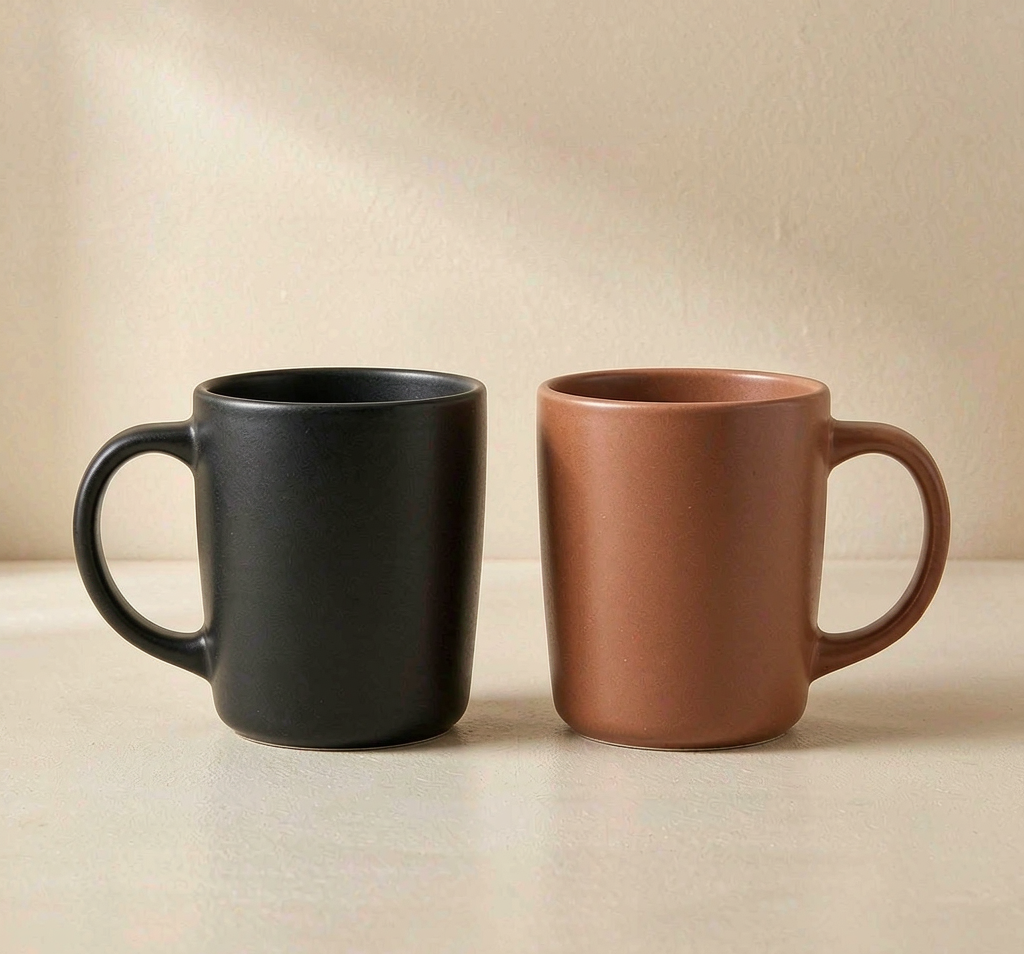
Karaoke boxes flip restaurant geometry: guests rent a private room for hours, order in waves, and the table hosts a party that never quite sits down. The ware program serves a room that is simultaneously a living room, a bar and a diner — drinks that live through songs, snacks that survive singing, and a reset ritual that works between orders in the dark.
The Booth Economy
The box is rented by the hour, and the revenue runs on the ongoing order — drinks and snacks flowing through the session. The ware program's role: keep the table functional through three hours of parties. The specs: unbreakable everything (the room's energy is real), vessels that stack against the room's edges, and a service call system that keeps the orders flowing without interrupting the song.
The Drink Tower
Karaoke drinks arrive in bulk: beer towers, pitcher cocktails, shared bottles with mixers. The tower system: the table's anchor vessel with a tap that survives the night, cups that stack at the room's edge, and a coaster or napkin discipline that manages the condensation ring on the room's table. The tower's tap is a maintenance item — cleaned between parties, checked for crust, replaced on a schedule.
The Snack Layer
Box menus run snack-forward: fries, popcorn, chicken, fruit plates, the shared platters that feed a party of six. The vessels: share trays sized to the booth's table, individual cones and cups for the one-hand eaters, and the fruit plate's architecture (the tiered presentation that photographs the party). The specs: grease barriers for the fried tier, lids where the party leaves the room (smoke breaks, dance floor migrations), and a footprint that shares the table with the tower.
The Unbreakable Rule
The box's fleet is polymer and melamine, full stop: the room is dark, the guests are standing, the energy is kinetic. The specs: dense pieces that read intentional, colors that read in low light, and no glass anywhere near the couch. Where the register demands glass (premium boxes, bottle service), the glass lives at the table's center on a dedicated zone — and the chip line runs strict.
The Between-Parties Reset
The reset is the format's operations core: a party leaves, the next arrives in minutes. The ritual: the room stripped (towers, cups, trays), surfaces wiped, the ware restaged (cups stacked, caddy refilled, the menu card placed), and the room checked for the walked pieces (remotes, glassware, the guest's leftovers). The reset kit lives in the service cart: bins, cloths, the spare stack. A room that resets in eight minutes turns eight parties a night; a room that takes twenty turns five.
The Order-Wave Rhythm
Box orders arrive in waves — the session's start (drinks first), the mid-party hunger (snacks), the late surge (the second wind's orders). The ware system stages for the waves: cups and trays pre-staged in the service corridor, the share platters built to order but vessels ready, and the call-button flow that lets the party order without leaving the song. The wave staging is the difference between a stocked room and a starved one.
The Dark-Room Discipline
Karaoke rooms run dim and colored: the ware reads by shape and contrast. The working palettes: light fleets on dark tables, color-coded vessels for the service zones, and surfaces that hide wear in colored light but read clean under the room's white mode. The closing clean runs in white light — the room's true condition check.
The Damage and Loss Line
Box fleets take damage the dining room never sees: stains (the party's chemistry), heat (the room's equipment), and the walked pieces (the session's souvenirs). The program's honesty: a damage factor in the fleet math, a stain line that retires what the wash cannot recover, and the count rhythm that reads the rooms' patterns (party sizes, session lengths, the weekend's waves).
Frequently Asked Questions
Why is the tower the anchor vessel? The session runs on ongoing drink flow — the tower with a working tap serves the party without interrupting the song. Its maintenance (tap cleaned between parties) is an operations line.
What survives the box's energy? Dense polymer and melamine, full stop. The room is dark and kinetic; glass lives only at the premium table's center zone.
How fast should a box reset? Eight minutes is the target: strip, wipe, restage, check. The reset kit on the service cart is what makes the speed possible — bins, cloths, the spare stack.
How does the ware read in colored light? By shape and contrast: light fleets on dark tables, color-coded zones, and a closing check in white light for the room's true condition.
What walks from a karaoke box? Cups, the occasional tower tap handle, the session's souvenirs. A damage-and-loss factor in the fleet math reads the pattern calmly.

