
Oct 29, 2026Chain Operations
Hotel Room-Service Tableware: Trays, Cloches and the In-Room Journey
Room service tableware makes a long unaccompanied journey from kitchen to bedside. How to spec the trays, covers and return flow that survive the corridor.
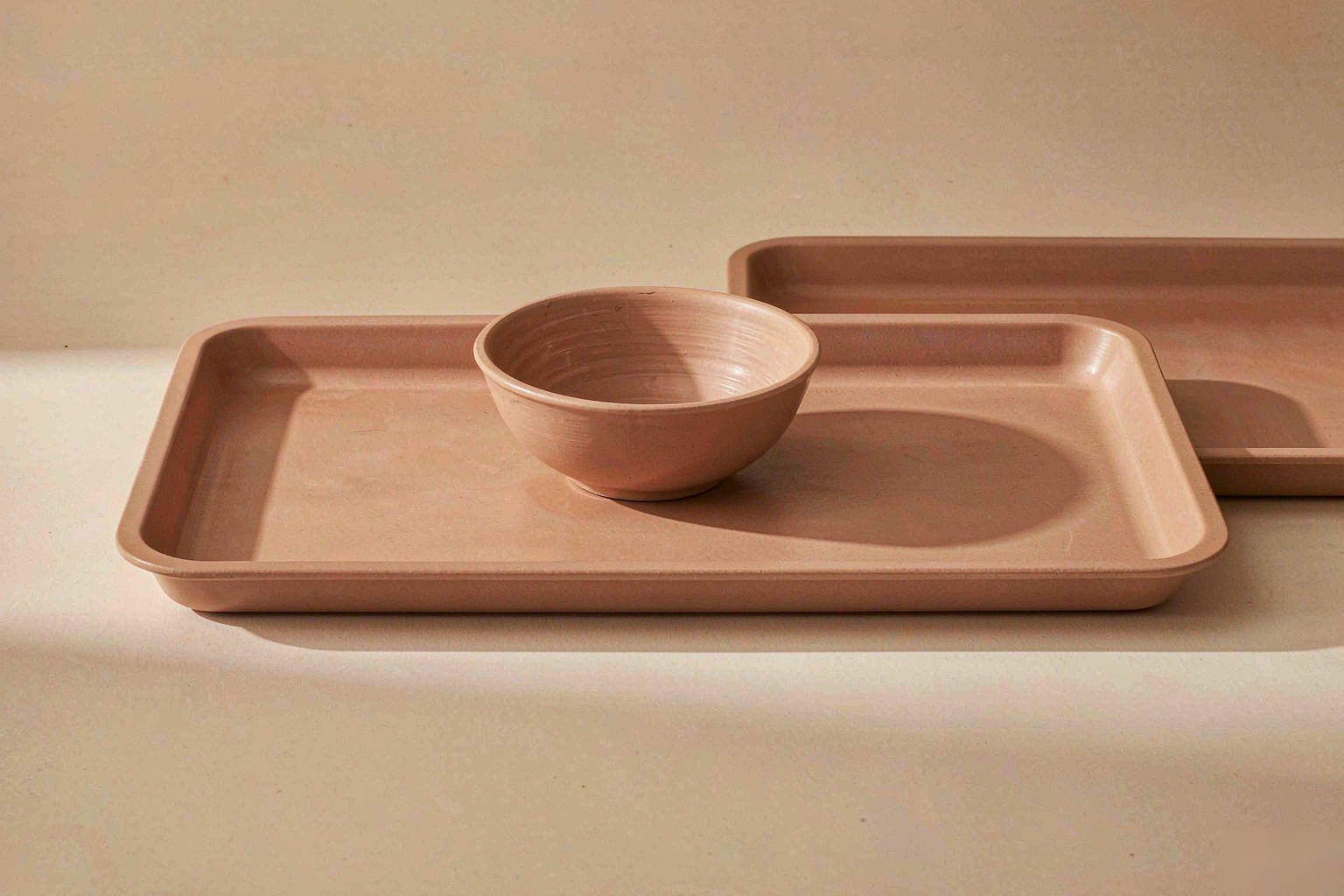
Room-service tableware makes a journey no restaurant plate ever makes: it leaves the kitchen unaccompanied, rides an elevator and a long corridor, waits outside a door, enters a room where nobody from the kitchen can see it, and returns sometime later — often via a hallway floor, a linen cart, or a luggage rack. Every spec in an in-room dining program answers to that journey.
The format's economics run through the tray: one tray carries a complete meal for one guest, assembled in minutes, delivered by a server whose hands are full. The engineering challenge is keeping the composed plate composed across thirty meters of carpet and two door thresholds.
The Tray as the Plate
The tray is the format's stage and its failure surface. The specs that matter:
Rigidity. A tray that flexes pours soup. Large trays need a stiffness that survives a one-handed carry at full load; the test is a loaded tray carried across a room by its edge, watched for flex.
Non-slip surface. A carpet-texture or rubberized top keeps plates and glasses where they were set. Without it, every accelerating step slides the service.
Edge height. A raised lip is the last line against the tilt — the moment the tray meets a doorframe and tips two degrees. Low edges export the accident to the carpet.
Size discipline. Trays oversized for their loads waste floor-pantry space and encourage overloading; trays too small force stacked plates that slide. The tray fleet should match the menu's actual composed formats, not a generic large-medium-small guess.
Lids, Cloches and Covers
The cover is what makes an unaccompanied journey survivable. Cloches on entrées, lids on soup cups and ramekins, wraps around cutlery — each one converts a spill from likely to rare. The sourcing notes:
Cloche weight and heat. A metal cloche holds heat and presence but adds carry weight; polycarbonate is light and clear but clouds with wash cycles. The choice follows the property's register.
Venting. A sealed cover over steaming food builds condensation that rains onto the plate when the guest lifts it. Vented lids or a burp at the door manage it.
Lid fit. A lid that sits loosely is decoration. Fit is a per-SKU test: fill the deepest menu item, carry it, tilt it, check the seal.
The Corridor Test
Every program should run one honest rehearsal: the full menu, packed as delivered, carried the property's longest real route — elevator, carpet, threshold, turn — and opened in the room. Everything that shifted, spilled, or arrived cold is a spec failure, and it will repeat on every delivery until the spec changes.
The corridor test also settles the tray's load architecture. Heavy items low and centered, glassware away from the carry edge, cutlery wrapped and placed last — the packing order is part of the tableware spec, and it belongs in the delivery training card, not in folklore.
The Return Journey
Returns are where room-service fleets quietly die. Trays sit in corridors for hours; plates go into linen carts; cups migrate to rooms as souvenirs. The operational defenses:
A defined return SLA — trays cleared within a set window, with the housekeeping and room-service handoff named, so nothing ages in a hallway.
Linen cart discipline — plates and glassware never ride with linens; the cart is the single most common destroyer of both.
A room-check line item — housekeeping logs visible tableware when turning a room, turning guest-room losses from invisible shrinkage into countable events.
The fleet math should include a loss factor set by the property's own audit data, and the audit should run often enough to catch a change in loss behavior — a new corridor habit shows up in the counts before it shows up in complaints.
Floor-Pantry Storage
Every floor service pantry is a warehouse the size of a closet. Tray stacks, plate nests, cup tiers and lid bins all compete for shelves sized decades ago. The sourcing response is stack density: trays that nest fully, plates that stack deep, lids that nest by size class.
Fleet sizing per pantry follows the floor's delivery peaks — breakfast is the storm. A pantry that runs out of trays at 7:30 stops delivering breakfast; the buffer is sized to the morning surge, not the daily average.
Breakfast Door-Hang Kits
The door-hang breakfast is room service compressed into a bag: a covered pastry, a juice, cutlery, a napkin. The tableware inside should survive a night on a door handle and a morning in a guest's hands. The specs:
A sealed pastry dome that survives the hang without crushing.
Juice in a sealed vessel, never an open glass on a tray hook.
Cutlery in a wrap, because loose forks fall at the first breeze.
The kit's pieces are the property's brand at eye level in a corridor — the same color discipline as the dine-in fleet, applied at bag scale.
Loss and Shrinkage
In-room fleets shrink through three doors: guests keep pieces (cups and cutlery mostly), staff lose pieces (trays and cloches left in odd corners), and pieces break on the return path. Each door has its own metric. Keeping counts per piece class — not just a total — shows which door is open: cutlery loss that spikes while plate counts hold points to room retention; tray loss that drifts with staffing changes points to process.
Chains that publish a per-class loss line, and buy against it, replace calmly. Chains that discover shrinkage at the annual inventory replace in emergency lots — and emergency lots are where fleet consistency goes to die.
Guest-Facing Register
Room service is the hotel's restaurant in miniature, and the guest eats with their eyes before the first bite. The register pieces: a tray that looks clean at a glance, a cloche that lifts with ceremony, a napkin fold that survives the corridor. None of it requires fragile ware — it requires pieces specified for presence as well as survival.
The premium tier of the program — suites, club floors — can carry heavier plates and real glass, priced into the service. The standard tier runs the durable fleet. Both tiers share the color standard, because the brand cannot split by floor.
Frequently Asked Questions
What breaks room-service tableware the most? The return path — trays and plates riding linen carts and corridor floors. The fix is process, not product: a return SLA and a linen-cart rule.
Are cloches worth the cost? For hot entrées, yes — they hold temperature and presence across the corridor and prevent the spills that generate comped meals. The venting detail decides whether they help or hurt.
How do we size the floor-pantry tray fleet? To the breakfast surge, not the daily average. Count the peak-hour deliveries per floor and size the buffer to that storm.
What stops guests from keeping the cups? Nothing stops it entirely; the fleet math should carry a retention factor from the property's own audit. Branded pieces return slightly more often than unbranded ones — the logo is a soft deterrent.
One tray spec or a fleet of sizes? A small family — one breakfast size, one full-meal size, one sharing size for suites — matched to the menu's actual composed formats. Generic sizing forces stacking, and stacking is how trays spill.

