
Oct 27, 2026Chain Operations
Fork Tine Geometry: Why Shapes Differ by Course and Cuisine
A fork's tines are engineered for specific food — the width, count, curve and spacing each follow function. A field guide to tine geometry across courses and cuisines.
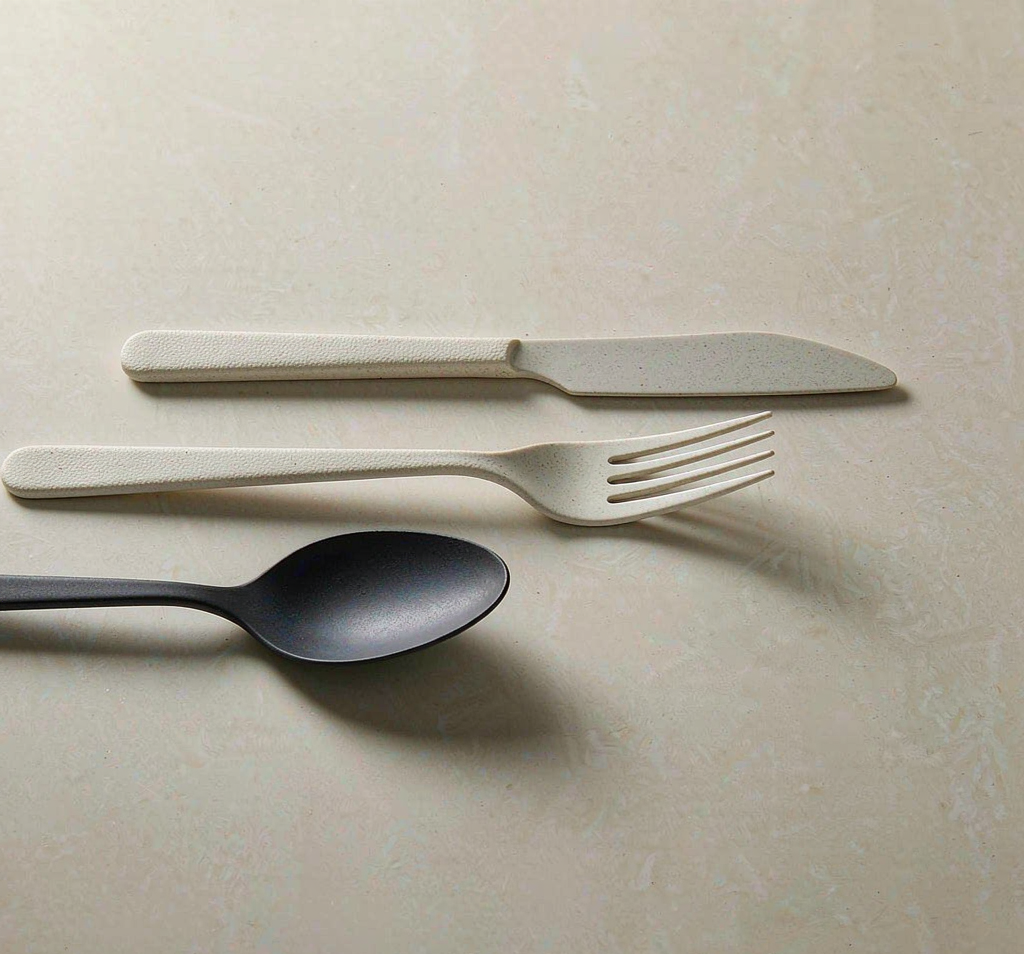
Fork Tine Geometry: Why Shapes Differ by Course and Cuisine
Every fork is a set of engineered tines pretending to be a simple object. The count (three, four, five), the length, the spacing, the curvature, the outer-tine flare — each dimension follows what the fork must do to a specific food. Serving fish wants one geometry; piercing cold cuts wants another; twirling pasta wants a third. When a chain's flatware feels "wrong" against its menu, the mismatch usually lives in the tines.
This guide reads tine geometry the way the designers who create flatware lines do — so buyers can match fork to menu deliberately instead of by catalog photo.
The Anatomy of a Tine
Count. Four tines is the modern Western dining default — the balance of stability and food capture. Three tines appear on serving pieces and some regional formats; five on specialized formats (serving, some fish forks) where capture area matters more than refinement.
Spacing. The gaps between tines determine what the fork holds: wide gaps shed liquid and small items (suited to draining formats); narrow gaps capture rice and small grains. Asian-market formats often run narrower spacing for exactly this reason — rice is the menu's center.
Length and taper. Long, finely tapered tines pierce cleanly (fine dining, tender foods); shorter, blunter tines push and load (utility, service). Over-tapered tines on cheap flatware bend at the tips — the classic "spread fork" failure our flatware guide covers under gauge.
Curvature (the neck). Tines sweep slightly upward from the neck so the working end lies level when the handle rests naturally in the hand. Bad curvature fights the wrist at every bite; good curvature disappears.
The outer flare. On many designs, the outer tines flare wider — the "shoulder" that broadens the platform for cutting against a knife edge and stabilizes the load. Fish forks often take this furthest, with a wide left shoulder historically used as an edge to separate flakes.
Course by Course
Format | Tine signature | The food logic |
|---|---|---|
Dinner fork | 4 tines, medium spacing, modest flare | General mains; balanced capture |
Fish fork | 4 tines, wide shoulder flare | Separating flakes; drainage |
Salad/dessert fork | 4 short tines, wider gaps | Leafy and soft items; tines shed dressing |
Pastry fork | 3 tines (or 2+1), short | Breaking, loading delicate pastry |
Serving forks | 2 long tines or 5 wide | Spearing and lifting from platters |
Cold-cut/deli forks | 3 narrow tines | Thin slices; narrow capture |
Pasta companions | 4 tines, deep bowl-like set | Twirling (with spoon or bowl edge) |
The reading for a menu team: list the menu's eating actions (pierce, scoop, twirl, cut-against, flake, load) and check each course's fork against its dominant action. Mismatches are guest friction nobody names — they just feel the flatware is "cheap" or the dish "hard to eat."
Cuisine Signatures
Cuisines developed fork geometries around their foods, and international sourcing should read those signatures:
European service carries the full course progression — the fish fork's shoulder, the pastry fork's short three-tine format, the dessert fork's wider gaps. Formal multi-course concepts inherit this vocabulary wholesale.
Asian-format programs mostly run narrower-spacing four-tine forks alongside chopsticks — the fork handles the rice-and-dish plates where chopsticks yield to the spoon-and-fork service style common across Southeast Asia. Spacing engineered for rice changes the whole dining experience on those menus.
Steak and grill concepts prioritize tine stiffness over refinement: heavier gauge at the neck and blunt taper — the fork loads and holds against the knife. The failure mode to spec against is tip spread under lateral load (the gauge and steel questions from our 18/0 vs 18/10 guide).
Buffet and cafeteria programs run general-purpose geometry only — one dinner fork carries the whole line, so it trends toward the middle of every dimension. Buffet forks live or die by durability, not nuance.
The Manufacturing Quality Layer
Geometry is only as good as its execution. The stamping and finishing quality controls whether the designed geometry survives to the table:
Tine alignment. Tines must sit in one plane. A misaligned tine drags the lip at every bite and scrapes plates audibly. Flat-pack inspection at receiving: sight down the tines of a sample from each carton.
Tip finishing. Tips should taper cleanly with no burrs or flat spots — burrs catch lips and napkins; unfinished tips read as cheap instantly.
Spacing consistency. Within a set and across production batches, spacing variance shows as "these forks feel different" at the table — the batch-consistency discipline our flatware program verifies per melt batch.
Neck curvature consistency. The sweep must match across the fleet; mixed-curvature fleets feel wrong in the hand long before anyone can name why.
Specifying Tine Geometry for a Chain
Write the menu's eating actions into the flatware specification: dominant action per course, tine count and spacing class per format, taper and flare notes, alignment and finish tolerances at receiving. Suppliers of engineered flatware lines respond to this vocabulary with the right catalog pages; commodity suppliers respond with confusion — which is itself the sorting you want.
Frequently Asked Questions
Why do some cultures prefer three tines? Regional format traditions and specific foods — serving pieces, cold cuts, pastry. Three tines trade stability for a wider, more open capture profile suited to those uses.
Are more tines always better? No — tine count follows function. Five-tine formats capture more but pierce more crudely; the refined four-tine dinner format exists because it balances best for general mains.
What is the most common geometry failure? Tip spread from under-gauged steel, then misalignment from sloppy finishing. Both are receiving-inspection items: sight check for plane, load test for spread.
Do tine shapes matter in quick service? Less per bite, more across volume — general-purpose geometry with maximum durability wins there. The nuance belongs to seated, multi-course, or cuisine-specific concepts.
How do we check a whole fleet quickly? Sample five forks per carton: sight along the tines for plane, feel each tip for burrs, flex-test one against spec limits, and compare spacing against a retained reference set. Five minutes, thousands of meals.

