
Chain Operations
Flatware Finish Lines: Mirror, Satin and Black in Service
Mirror polish, satin brush, black oxide — flatware finishes are engineering, not styling. Each finish's wear signature, hiding power and matching behavior across batches.
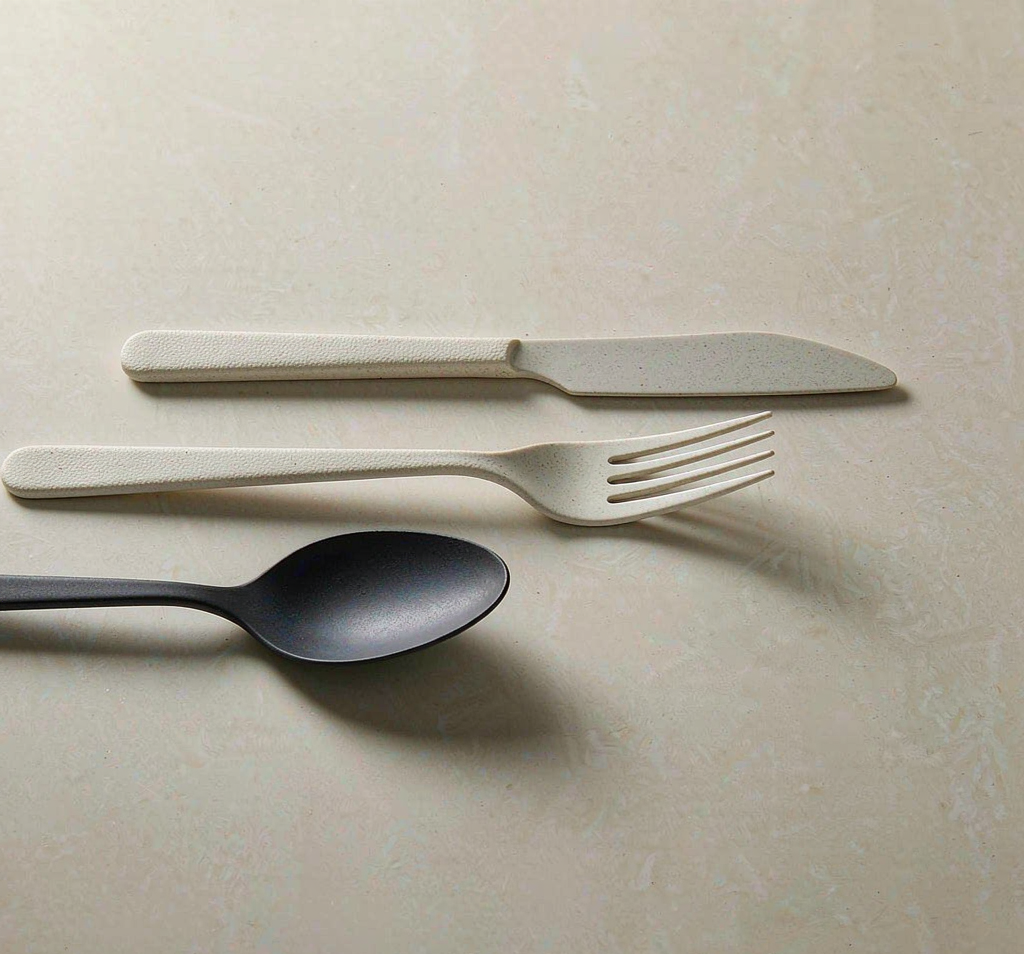
Flatware finishes look like styling decisions and behave like engineering. A mirror polish, a satin brush and a black oxide coating sit on identical steel shapes and age into three completely different fleets — different scratch signatures, different hiding power, different batch-matching behavior. The finish line on the specification sheet quietly sets five years of how the table looks.
This guide reads the three major finishes as an operations document: what each is, how it wears, and what it demands of the program that chooses it.
The Three Finishes, Technically
Mirror polish. Multi-stage polishing brings the steel to a reflective, near-blemish-free surface. It is the premium traditional look — formal, bright, "event" flatware. The engineering catch: a mirror is a display surface. Every micro-scratch from rack contact and utensil rattle shows against the reflection; mirror fleets wear visually at the highest rate of the three finishes.
Satin (brushed) finish. A controlled directional abrasion replaces reflection with texture — fine parallel lines that scatter light. The engineering win: the finish's own texture approximates what daily wear produces, so real scratches disappear into the existing pattern. Satin is the workhorse finish of volume service for exactly this hiding power.
Black oxide / PVD dark finishes. Modern dark flatware runs on conversion coatings or PVD films (the same film physics as our gold-accent guide covers). The look is contemporary and dramatic; the wear behavior depends on the coating technology — quality PVD films wear slowly and evenly, while thin conversion coatings can wear through at high spots and edges. Dark finishes also show water spotting and film residue more than bright finishes, so the dish program's rinse discipline is part of the purchase.
Property | Mirror | Satin | Black/PVD |
|---|---|---|---|
Scratch visibility | Highest | Low (hides in texture) | Moderate, edge-first |
Formal register | Classic premium | Neutral, modern | Contemporary, dramatic |
Dish-room demands | Rack condition, gentle chemistry | Forgiving | Rinse discipline, chemistry per film |
Batch matching | Reflection reveals variance | Most tolerant | Tone variance between lots visible |
Fleet aging | Dulls visibly | Softens gracefully | Wears at contact points |
Wear Signatures in Service
Each finish tells its age differently, and knowing the signature tells you when the fleet is actually retiring versus merely living:
Mirror dulls from the tips and shoulders inward — tine edges and handle high-points lose reflection first. The fleet ages unevenly (high-contact pieces fade faster), and mixed-generation mirror flatware on one table shows reflection variance at a glance. Rotation on appearance standard, against a sealed new reference, is the only way to manage the drift.
Satin maintains the longest visual consistency — wear blends into the brush pattern until the piece is genuinely old. Its one visible enemy is cross-scratching: coarse abrasion or scouring cuts against the grain and shows. The satin program's rule is the flatware-care basics from our material guides: no abrasives, intact racks, and the grain-matching of replacement batches.
Black wears at contact geography — tine tips, handle edges, the spots where fingers and racks touch. Quality films carry the wear as a gradual tone shift; budget coatings wear through to bright steel, which reads as damage rather than age. The finish's specification question at sourcing is the film technology and its wear data (the gold-accent sourcing questions apply identically — dark films are the same physics in a different color).
Matching Across Batches: The Finish Problem Nobody Budgets
Flatware finishes shift at production: polish stages drift, brush abrasives age within runs, coating lots vary in tone. The consequence every multi-year program meets: the reorder does not quite match the original fleet — visible most in mirror (reflection shows all), moderately in black (tone lots), least in satin (texture forgives).
The program disciplines that hold finishes across years:
Order the finish's lifetime where possible. The replacement math from our breakage guide cuts both ways: ordering replacement stock in the same production window as the original (holding a named replacement reserve) keeps finish lots aligned at the cost of inventory carried.
Specify the finish, not the word. "Mirror polish" spans a range; a spec sheet that references a retained physical sample (the sealed reference discipline) and calls out the finish's inspection standard turns "similar" into "matching."
Receive against the reference, every shipment. Five pieces per carton against the sealed reference under the same light — the check that catches drift at the dock instead of at the table, where mixed finishes read as a decaying program.
Plan the generation change. Fleets that cannot stay matched retire in tiers: the original fleet cascades to back-of-house when replacement stock arrives, and the guest-facing fleet starts fresh — the zoning approach from our weight guide, applied to finish generations.
Choosing by Concept, Honestly
Full-service and banquet concepts run mirror for the formal register and accept the rotation discipline as the price — often zoning mirror to the guest-facing courses and satin to the volume service.
Volume casual runs satin almost universally: the hiding power is simply the cheapest fleet-maintenance technology in flatware.
Contemporary and design-forward concepts choose black for the statement and sign up for the film-tier sourcing diligence and the rinse discipline — the finish rewards the care program and punishes its absence.
Frequently Asked Questions
Can satin and mirror pieces share a table? Under bright light the difference reads clearly; under ambient dining it passes. Programs that mix do it by course tier, not by accident — and the mixed fleet never photographs as one set.
Why does our black flatware show white spots? Water spotting and detergent film — dark finishes display residue the bright finishes hide. The fix is rinse-aid and drying discipline, not replacement; spots that do not wipe are film wear, a different conversation.
Which finish lasts longest? Structurally, identical steel lasts identically — the finishes differ in how they age visually. Satin holds its look longest; mirror retires on appearance first; black depends on film tier.
Do finishes affect food safety or cleaning? All three clean to the same standard on intact surfaces; the differences are care discipline (no abrasives on any of them) and residue visibility. Damaged coatings are a different case — see the accent-film guidance.
How do we specify a finish so reorders match? Retained physical reference plus written finish standard plus receiving comparison — the same three-part discipline that holds color on ceramics, applied to reflection and texture.

