Oct 6, 2026Chain Operations
Custom Logo Branding for Restaurant Tableware: Bottom Marks, Laser Marking, and Where Each Fits
Bottom marks, under-glaze laser marking and surface printing each behave differently in commercial service — where each logo method fits, and how to specify it so it survives.
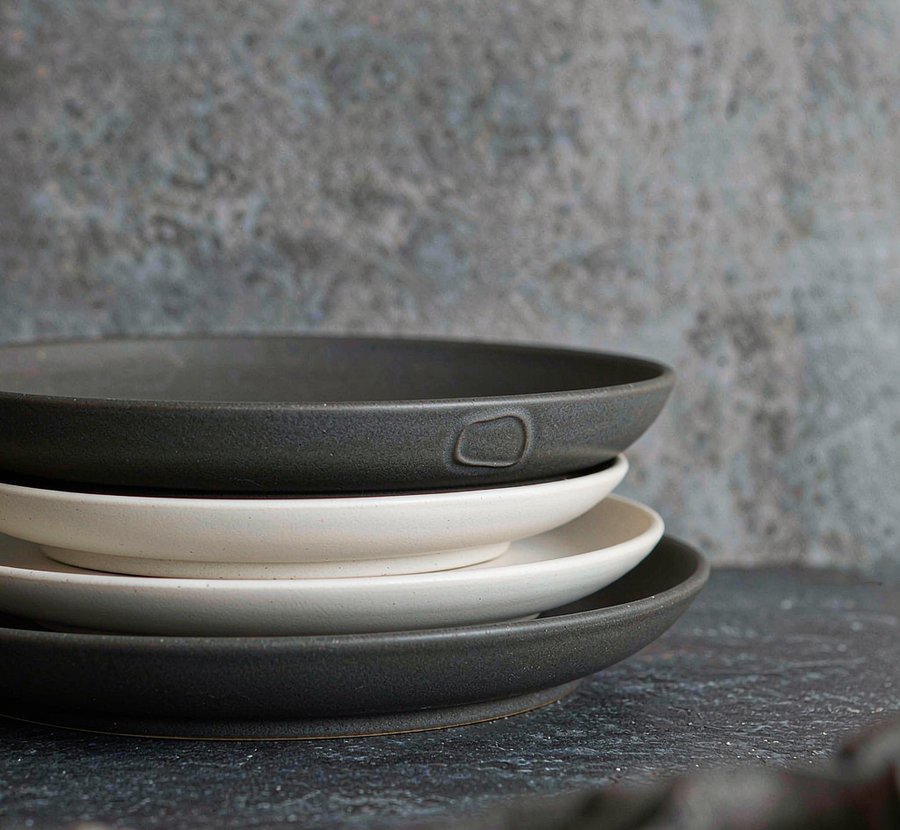
For a restaurant chain, the logo is the most-washed surface on the table. It goes through the dishwashing machine more times than any other detail on the plate — which is why the branding method is a specification decision, not a decoration afterthought.
Three methods cover most chain programs. Each behaves differently in commercial service.
1. Bottom marks — the workhorse
A logo or mark applied to the unglazed or glazed foot of the item. It never meets food or scrubbing, so it lasts the life of the piece, and it costs the least per unit. What it does not do: show up in photos of the plated dish. Bottom marks suit chains whose brand lives on menus, signage and packaging rather than on the tableware face.
2. Under-glaze laser marking — the survivor
The mark is laser-etched beneath the glaze, then covered — so it sits inside the wear surface instead of on top of it. On ceramics this is the method specified for logos that must survive a year of commercial dishwashing and still look deliberate in photos. It costs more than a bottom mark and fits the brand-face position: rim, plate face or mug body.
3. Surface printing — know what you are buying
Over-glaze printing is the cheapest way to put a logo on a curve, and the fastest to fade under commercial dishwasher chemistry. It has legitimate uses — short-run promotions, items washed gently — but a chain program that specifies surface printing for daily-use tableware is scheduling a brand-quality complaint for year one.
How to specify branding so it survives
State three things in the RFQ: the method (bottom mark, under-glaze laser or surface print), the position, and the dishwasher cycle count the mark must survive. Then ask the supplier to confirm all three in writing with the sample — because the difference between methods only shows up after the logo has been through a few hundred washes, and by then the order is already placed.
We confirm the method that fits the material and the washing reality before sampling, and we keep the specification in the product records — English, Japanese and Chinese — so the logo that opens the program is the logo that closes it.