
Chain Operations
Cruise and Hotel Buffet Formats: Volume with Elegance
A cruise ship moves a city's worth of meals through buffet lines in confined space — the most demanding buffet environment anywhere. Formats, weight math and the rotation discipline at sea.
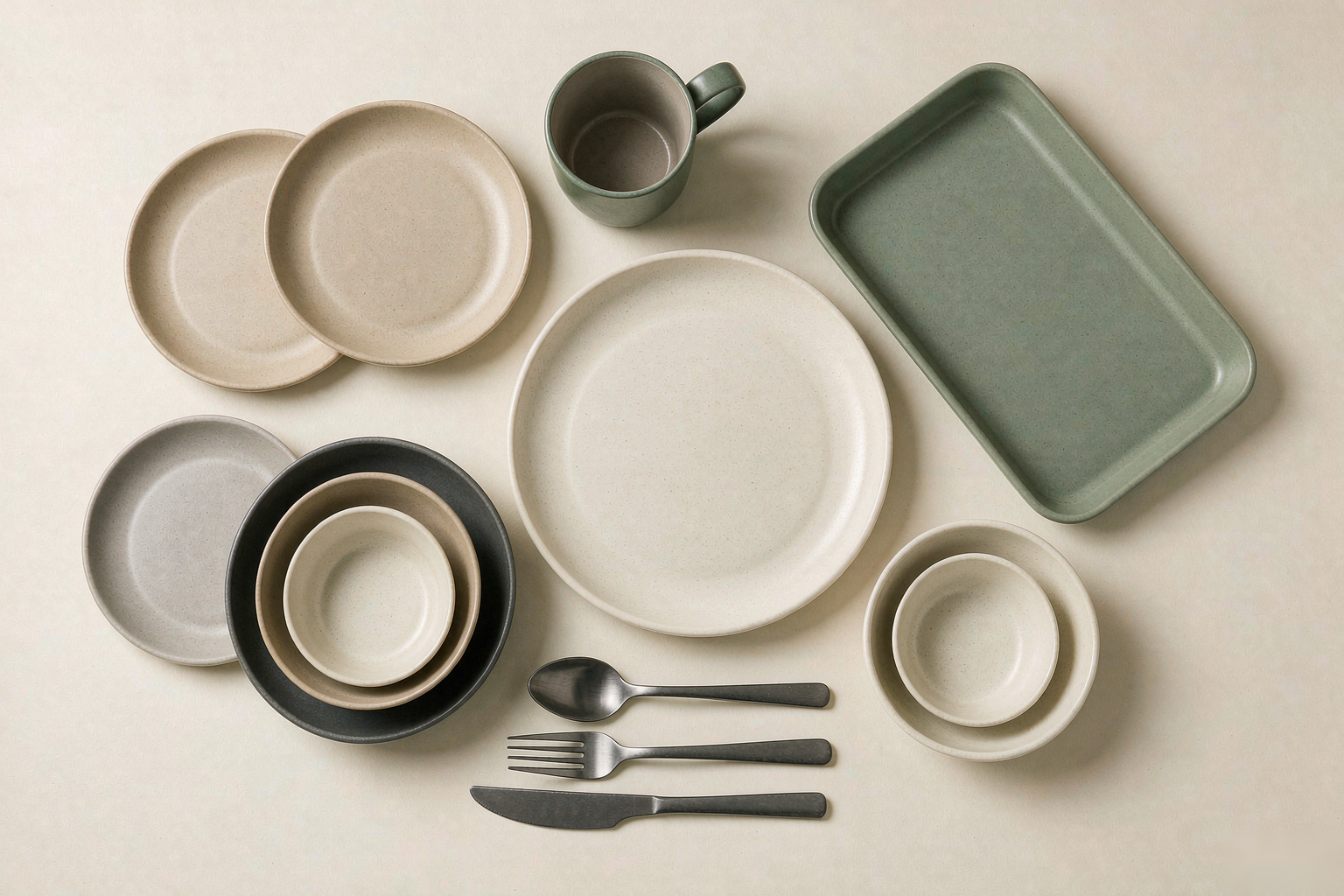
A large cruise ship serves tens of thousands of meals daily through buffet lines that never close — the highest-volume buffet operation in hospitality, run in a space where every piece is counted, every kilogram matters, and the dish room is below the waterline. Hotel resort buffets run the same disciplines at shore scale. Together they are buffet engineering's proving ground: the environments where the format's trade-offs (volume against elegance, weight against durability, variety against pars) play out at their extremes.
This guide covers what cruise and resort buffet programs teach about the format — and how chains apply the lessons ashore.
The Scale Problem
The numbers set the engineering:
The throughput. A resort buffet at breakfast serves thousands of covers in a two-to-three-hour window; a ship runs multiple venues around the clock. The par arithmetic from our par-level guide runs at multipliers casual dining never sees — the wash-cycle loop (our dish-room discipline) is the whole operation's engine room.
The space constraint. Ships build buffets in finite square footage: the line's pass widths, the stack storage, the dish room's capacity — all fixed at build. The tableware program fits the architecture it is given (the dimensional tolerances matter at the rack-and-shelf scale first).
The weight constraint. Ships count kilograms: every piece's weight (our weight guide's arithmetic) multiplies across pars that run in the tens of thousands — fleet weight is a design input at sea in a way no land operation experiences.
Constraint | Cruise reality | Resort reality |
|---|---|---|
Throughput | Around-the-clock, thousands of covers | Peak-window, thousands |
Space | Fixed at build, minimal | Build-dependent, larger |
Fleet weight | A counted design input | An ergonomic line item |
Loss handling | Closed system — nothing leaves | Open resort environment |
Replacement | Voyage-planned, carried aboard | Regional calendar |
The Format Stack
The station architecture. Buffet lines run as stations (carving, hot wells, cold beds, dessert, beverage) — each station's formats differ: the hot-well inserts (our buffet systems guide's three-way rotation), the cold-bed trays, the carving boards and domes. The station map is the par map: each format's count follows its station's cycle.
The guest-carry layer. Plates and trays that survive the highest drop-and-traffic density in hospitality — melamine's home territory (the material logic our terrace guide covers), specified at the polish and quality tiers the venue's register demands.
The elegance layer. The format's signature tension: buffet volume dressed in presentation quality. The premium venues (cruise specialty buffets, resort brunch) run porcelain-tier presentation on engineered bodies — the alumina-reinforced class our body guide covers — because the register must read while the durability must survive.
The show-cooking layer. Live stations (the carving board, the wok station, the flambé cart) put heat and performance at the line: the heat-tier boundaries our hot pot guide draws apply — melamine nowhere near the flame tier, the appropriate materials at each station's temperature reality.
The Closed-System Discipline
The cruise environment adds the discipline land operations never face: the fleet is closed.
Nothing leaves, nothing arrives unplanned. Every piece aboard is counted, and the count is closed: losses (breakage, overboard incidents, the guest-take stream) come out of a finite fleet that replenishes only at port calls. The par buffers run deeper by design (the loss factor, sized to voyage length), and the physical counts (our counting guide's method) run on the ship's own rhythm — daily spot counts, port-day reconciliations.
The replacement logistics. Fleet refresh plans against the voyage calendar: replacement stock carried aboard consumes storage the food operation wants back — the load planning balances fleet reserve against operational space, a trade land programs never price.
The standardization premium. A closed fleet on a closed ship standardizes absolutely: one specification, one generation management, one matching guarantee — the brand-kit disciplines run at their purest because the system is closed. Chains ashore borrow the discipline: the closed-cycle thinking (pars, counts, generation management) that the open environment lets slide.
The Elegance Discipline
Volume venues earn their elegance through the same disciplines as fine dining, applied under pressure:
The coherence standard. Mixed-generation fleets read at buffet scale the way they read at table scale — worse. The generation management (our finish guide) and the presentation scoring (our audit guide) run at the buffet's visibility: thousands of guests per week see the fleet.
The station styling. The buffet's visual architecture — risers, liners, the display vocabulary — carries the elegance the tableware frames. The styling layer is equipment, but its discipline is the same: coherent, maintained, deliberate (the deliberate-versus-neglected read from our guest-perception guide, at buffet scale).
The rotation rhythm. Volume venues rotate harder: the accent and seasonal tiers (our rotation guide) refresh the visible layer on calendar rhythm because the fleet's visible aging compounds at throughput speed.
What Chains Take From It
The cruise and resort lessons land ashore as disciplines:
Run the par arithmetic at real throughput. Most chains underestimate their loop (the par guide's measurement discipline); the cruise method — measure the cycle, multiply by the window — is the honest version everywhere.
Treat fleet weight as a design input. The lifting-load arithmetic applies at every scale; the cruise version just makes it visible.
Manage the fleet as a closed system. Counts, generation discipline, replacement planning — the closed-loop thinking transfers to any chain that wants its fleet data honest.
Buy the elegance layer deliberately. The premium-body presentation tier on volume service is a proven pattern (the hotel sector runs it ashore); the body and finish disciplines make it durable rather than decorative.
Frequently Asked Questions
Why melamine dominance at this register? The drop-and-traffic density of buffet throughput makes breakage economics decisive; the premium venues run reinforced porcelain on the presentation layer and melamine on the carry layer — the zoning our body guide describes, at scale.
How do ships handle breakage accounting? Closed-system counts: daily spot counts per venue, port-day reconciliation, the loss log as a voyage document — the counting disciplines at their most rigorous because the fleet's leak shows immediately.
What is the resort lesson chains miss most? The station architecture: pars by station cycle, not by venue average. The carving station's board fleet and the dessert station's cup fleet live on different clocks.
Is porcelain viable at buffet throughput? The reinforced bodies carry it — the hotel sector's proof. The specification burden (edge-impact data, batch verification) is the price of the register, paid knowingly.
What transfers to QSR? The closed-loop counting and the station-cycle pars — both scale down directly, and both fix the stockout-and-surprise pattern casual operations run on.

