
Oct 29, 2026Material & Compliance
Chopstick Materials: Lacquer, Bamboo, Steel and the Wash
Chopsticks are the fleet's smallest tools and its biggest volume. The material map — bamboo, lacquered wood, steel, polymer — and the wash and wear rules for each.
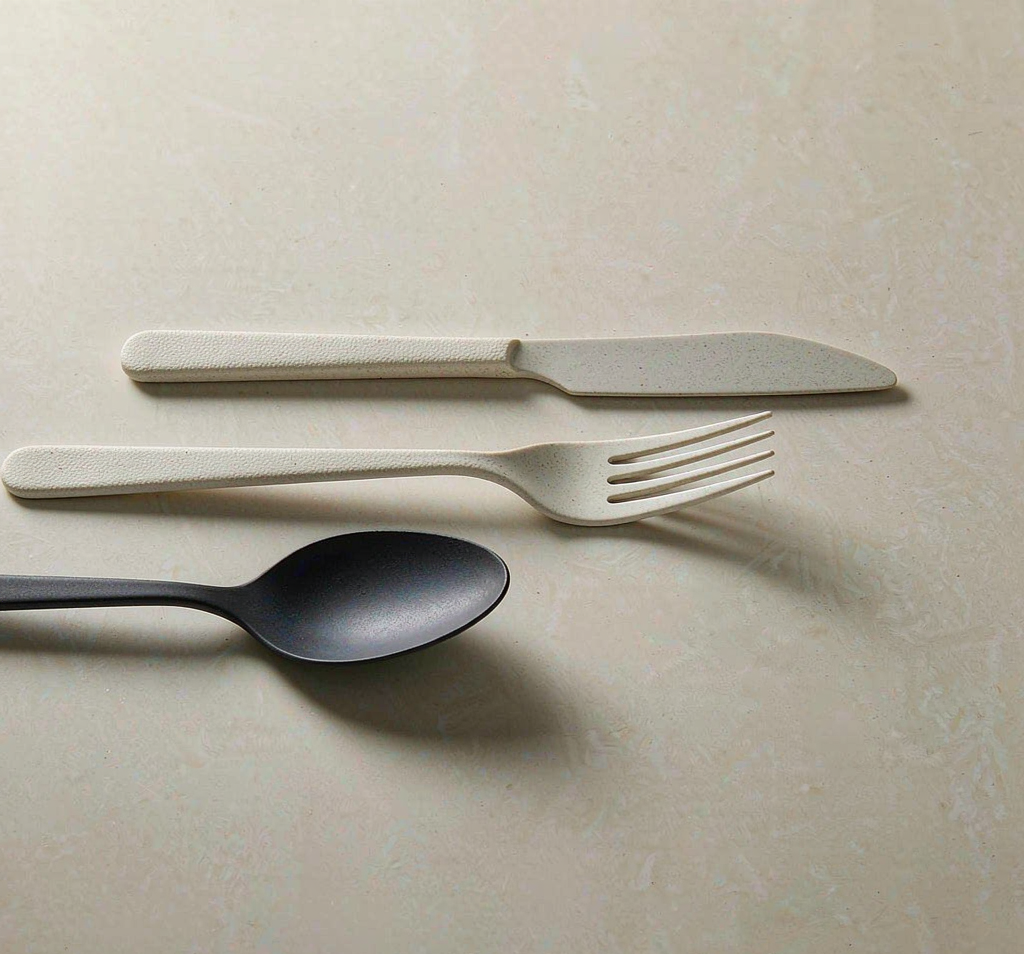
Chopsticks are the fleet's smallest tools and, in Asian formats, its biggest volume: pairs by the thousand, washed by the swarm, walked by the pocketful. The material choice — bamboo, lacquered wood, steel, polymer — sets the register, the wash line and the replacement rhythm. The chopstick program is small ware at its most consequential.
The Material Map
Material | Register | Wash | Watch-out |
|---|---|---|---|
Bamboo (plain) | Casual, authentic | Hand wash or machine per spec | Splinters with wear; the replacement rhythm is real |
Lacquered wood | Traditional premium | Hand wash; no soak | Lacquer wears at the tips; no dish machine heat |
Stainless steel | Modern, durable | Machine-proof | The slippery-food complaint; weight reads modern |
Polymer | Casual chains, outdoor | Machine-proof | Cheap versions stain and warp; quality tier holds |
The map's logic: the material is the register — bamboo whispers casual, lacquer speaks tradition, steel states modern, polymer runs volume. The fleet often mixes: lacquer at the table, steel in the kitchen, disposables for takeaway.
The Bamboo Reality
Plain bamboo is the format's workhorse: cheap, light, honest. Its commercial reality: bamboo wears — the tips splinter, the bodies gray, and the pairs separate from their twins. The program: the wash boundary respected (soaking splits bamboo), the retirement line on splinters (a splintered tip is a lip hazard), and the replacement rhythm budgeted as the fleet's consumable line. Bamboo is bought by the case and retired by the month — the fleet math that accepts it runs calm.
The Lacquer Care Contract
Lacquered chopsticks carry the traditional register — the urushi-style finishes, the family names, the gift-shop tier. Their care contract: hand wash, warm water, no soak (the water finds the lacquer's edges), no dish machine (the heat checks the finish), and the storage that does not scratch the lacquer. The wear pattern: the tips go first (the lacquer's thin edge), then the body's shine. The lacquer fleet's economics: the premium tier's register justifies the handwash line — the same way bone china earns its care.
The Steel Answer
Stainless chopsticks solve the wash problem completely: machine-proof, unbreakable, and the modern Korean register's standard. Their trade: the slippery-food complaint (the steel's grip on noodles is a guest-experience question — the textured-tip tiers answer it), the weight (modern, not traditional), and the clatter. The steel fleet's economics: buy once, wash forever — the loss factor is the only line (they walk). The steel answer is the volume program's favorite when the register allows.
The Polymer Tier
Polymer chopsticks run the casual chain: dishwasher-proof, colorful, consistent. The quality line within the tier: the dense, heat-rated polymers hold (the cheap versions warp in the machine and stain with curry). The program: the quality tier specified, the stain contract respected (the retirement on color loss), and the color-coding option (the allergen and station programs). The polymer tier is the chain's compromise that works — when the quality is real.
The Wash and Containment
Chopsticks wash in swarms and vanish in swarms: the containment is the program's operations core. The systems: the chopstick baskets through the wash (the small-ware containment law), the sorting at the return (paired or binned), and the storage's pairing discipline (the paired presentation at the table). The wash's economics: chopsticks are the dish room's confetti — contained, they flow; loose, they vanish into the machine's shadows and the bus tub's depths.
The Disposable Layer
Takeaway and some formats run disposables: the bamboo twin-pack, the sleeve's hygiene promise, the break-apart ritual. The program's notes: the splinter inspection (cheap disposables splinter at the break), the sleeve's brand surface (the cheapest brand media in the fleet), and the waste story told honestly (bamboo disposables' end-of-life, verified against the actual waste chain). The disposable layer is the format's interface with the street: its quality is the takeaway's first impression.
The Loss and Walk Factor
Chopsticks walk: pairs vanish into drawers and desks. The fleet math: the loss factor per material (steel walks most — it is worth keeping; bamboo dies before it walks), the count rhythm that reads the trend, and the dense-unbranded answer for the walkable tiers. The chopstick walk is the small-ware shrinkage law at its purest: count, accept, replace.
Frequently Asked Questions
Which material for a chain? By register and volume: bamboo for the casual authentic tier (with a replacement budget), steel for modern volume programs, quality polymer for color and machine duty, lacquer reserved for the premium handwash line.
What kills lacquered chopsticks? The dish machine and the soak: heat checks the finish, water finds the edges. Hand wash, warm, dry at once — the bone china law at chopstick scale.
How do you stop chopstick loss in the wash? Containment: baskets through the machine, sorting at the return, paired storage. Loose chopsticks are the dish room's confetti.
What is the bamboo retirement line? Splinters: a splintered tip is a lip hazard. Bamboo retires by the month — the consumable line budgeted as such.
Is the disposable sleeve worth branding? It is the cheapest brand media in the fleet and the takeaway's first impression — with the splinter inspection and the honest waste story attached.

