Chain Operations
Campus and Institutional Dining: Volume Service with a Conscience
University dining halls serve thousands three times daily with a student population that votes with its tray. The institutional disciplines: volume pars, sustainability pressure and the
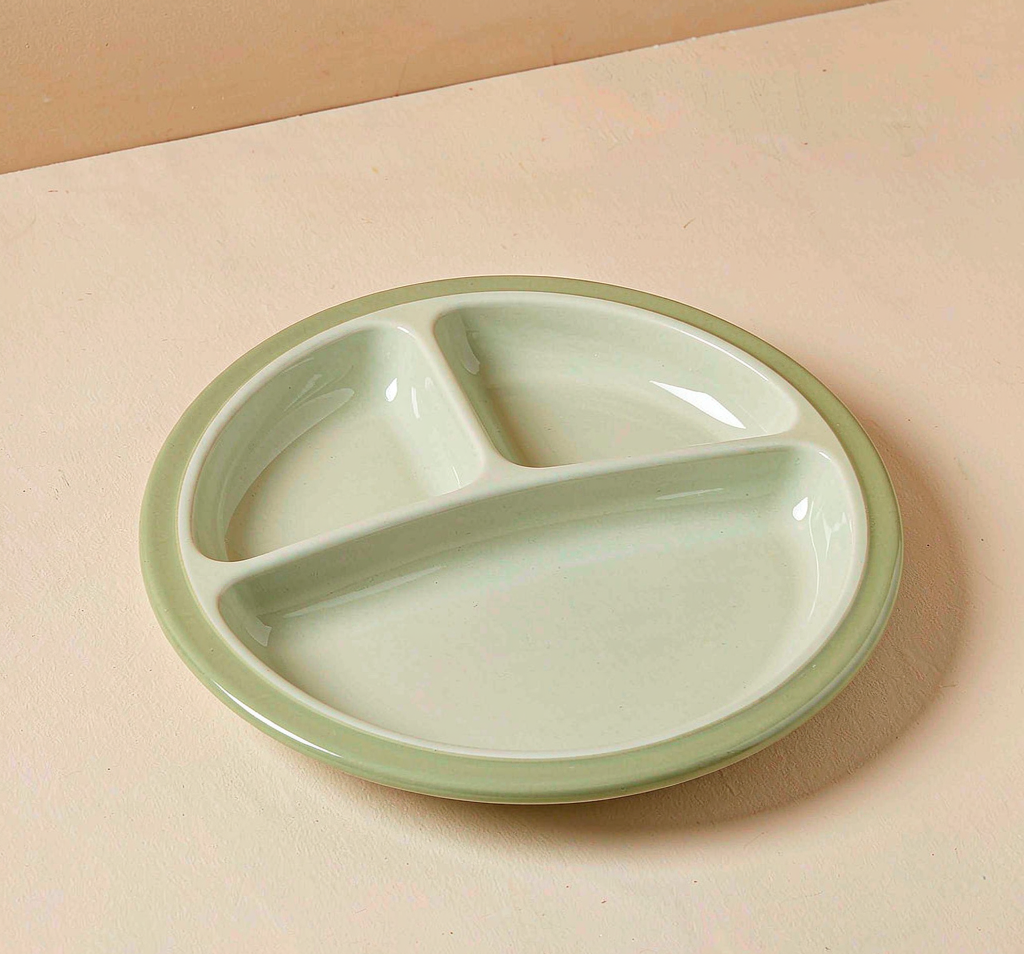
University dining serves the most demanding customer in food service: thousands of young adults, three times daily, with no revenue per cover to soften the operation and a sustainability expectation that arrives as identity rather than preference. Add corporate cafeterias, hospital systems and school programs, and institutional dining forms the volume backbone of commercial tableware — running disciplines the restaurant world is only now adopting.
This guide covers the institutional disciplines: the volume pars, the sustainability pressure, the durability ladder and the student-factor.
The Institutional Reality
Volume without margin. Institutional dining serves the highest covers at the thinnest per-cover economics — the cost discipline (our weight-guide arithmetic, the buffet-system engineering) runs as survival, not optimization.
The captive-with-a-voice population. Campus guests are served daily and heard weekly: the feedback loops (student councils, the review culture) make the dining program's quality a governance topic. The guest-perception dynamics from our worn-tableware guide run compressed and amplified — the fleet's state is visible, discussed and voted on.
The sustainability mandate. Institutional sustainability commitments are contractual and public: waste reduction, material choices, the reuse programs — the packaging and material questions our delivery guide flags arriving here as campus policy. Tableware programs answer with specifics: durable fleets over disposables, the material documentation (our test-report literacy), the reuse-washing infrastructure the volume justifies.
Institutional layer | Volume reality | Signature disciplines |
|---|---|---|
University dining | Thousands, 3 sittings | Tray economics, sustainability policy |
Corporate cafeteria | Working-day volume | The rush-window pars |
Hospital systems | 24/7, dietary tiers | The tray-line engineering |
School programs | Price-bound volume | The durability ladder's floor |
The Tray-Line Engineering
Hospitality and hospital tray services run the format's most engineered expression: the tray line where every cover is assembled in sequence, on a moving line, to dietary specification.
The tray geometry as system. The tray's compartments and the vessel footprints are one design (the interface discipline from our tolerance guide): plates that seat, cups that lock, the meal arriving as an assembled whole. Hospital tray lines spec the interface with medical precision — the lesson for every assembly-line format (our bento guide's grid logic) is the same: the tray is the program.
The dietary tier fleet. Therapeutic diets (the texture-modified, the allergen-separated) run color-coded fleets and identification systems — the color discipline (our measurement guide) applied as a safety system, where a wrong-colored lid is a clinical event.
The assembly speed. Tray lines run seconds per cover: the vessel set is engineered for the line's reach envelope (our weight guide's ergonomics at line speed), and the par arithmetic (our par guide) follows the line's cycle, not the dining room's.
The Durability Ladder
Institutional fleets buy at the durability floor and climb as budgets allow:
The floor: engineered melamine and high-grade plastics. The volume workhorses — the breakage economics (our material guides) at institutional scale, specified at the commercial grades (the documentation literacy as baseline).
The climb: reinforced bodies on the visible tiers. Where the program's register (a university's showcase dining hall, a hospital's public cafeteria) warrants: the alumina-reinforced porcelain class (our body guide's hospitality standard), running the fleet disciplines at dining-room quality.
The reuse programs. The institutional sustainability commitment runs reusables where wash infrastructure supports: the closed-loop cup and container programs (the stadium guide's innovation note, institutionalized) — tableware as policy, with the washing economics the volume finally makes work.
The Student Factor
Campus fleets face the industry's most honest wear environment:
The drop-and-desk environment. Meals eaten on laps, at library desks, on quad grass — the travel-path forces (our hotel guide's floor-travel logic) at student intensity. The durability specification assumes the desk-drop; the formats that survive it earn their pars.
The take-home stream. Campus fleets leak into dorms at rates food-service rarely sees — the count-based disciplines (our counting guide's weight counts) and the deliberate retail/purchase-back programs (the finishing-layer guide's merchandising note) manage what nostalgia takes.
The feedback velocity. Campus populations review instantly and publicly — the perception tax (our worn-tableware guide) collects in weeks, not years. The retirement and rotation disciplines run on student-time, which is internet-time.
Program Notes
Run pars by sitting. Three daily sittings mean the wash loop cycles three times between populations — the par arithmetic per sitting, not per day. Institutions that compute per-sitting pars stop the fourth-sitting stockouts.
The sustainability documentation. The program's material and waste choices belong in the sustainability report — the test-report and packaging literacies, feeding the governance layer that institutional dining uniquely serves.
Standardize across the system. Multi-campus programs run the brand-kit disciplines (our franchise guide): one specification book, regional sub-kits, the matching guarantee across the system.
Frequently Asked Questions
Why do institutions lead on reuse programs? Volume plus mandate: the washing economics work at institutional scale, and the sustainability commitments fund the infrastructure — the closed-loop programs that casual operations price as idealism, institutions run as policy.
What is the institutional fleet's most underweighted spec? The tray-line interface — vessels specified against the line's reach and timing, the one geometry that decides whether the assembly line runs at rate.
How do campus fleets handle summer? The population vanishes; the fleet doesn't. The summer window is the maintenance and rotation season (the calendar rhythm) — deep cleaning, generation audits, the refresh work the school year never allows.
Do institutional buyers influence the commercial market? Continuously — the durability standards, the documentation expectations and the sustainability specifications institutional programs run today arrive in restaurant procurement within a few years. Institutional dining is the industry's laboratory.
What is the first program to fix? The par arithmetic per sitting — the single change that ends the third-sitting stockouts and starts the data discipline the rest of the program runs on.