
Oct 29, 2026Chain Operations
Beer Garden Tableware: Long Tables, Long Hours
Beer gardens run outdoor volume on long communal tables. The unbreakable fleet, pretzel-and-wurst vessels and weather logic that keep the garden flowing.
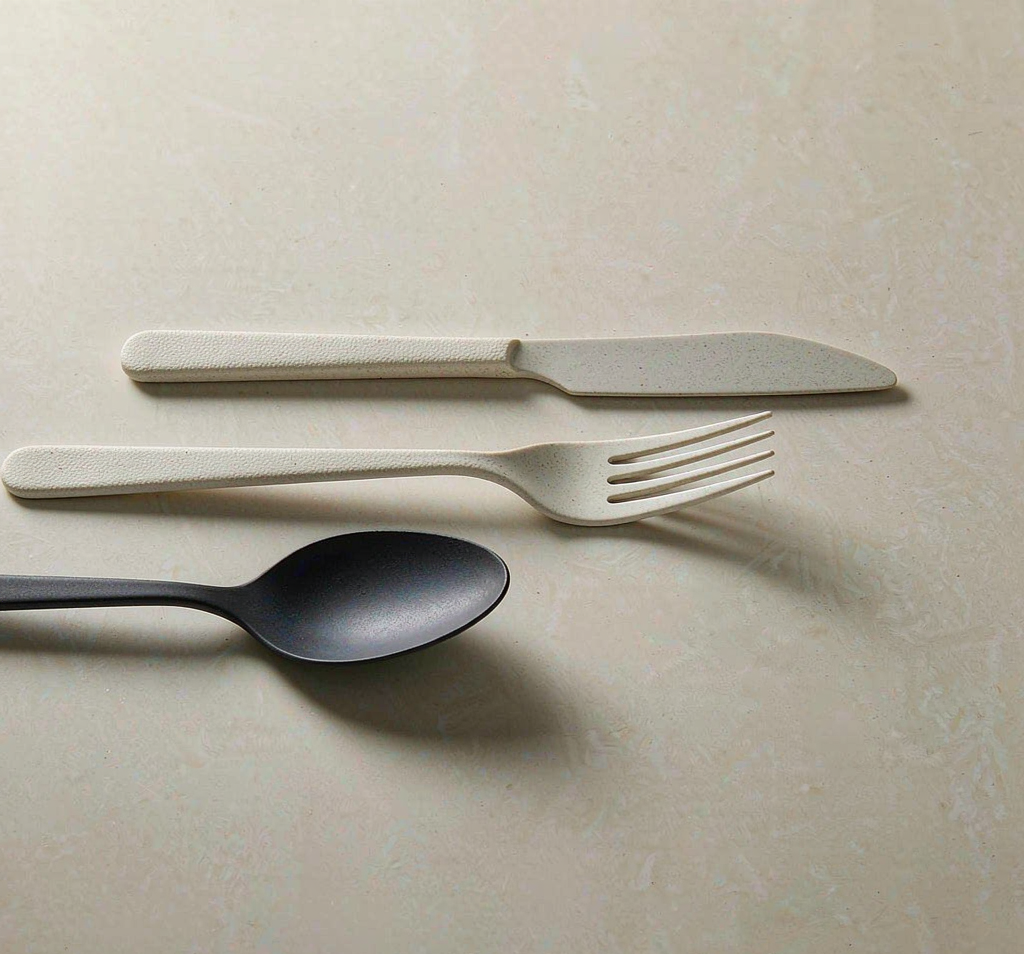
The beer garden is dining's most forgiving room and its hardest environment: long communal tables under the sky, guests standing, sitting, drifting, weather doing what it wants. The ware program answers with its simplest law — nothing breaks, nothing blows away — and its service law: the table carries drinks first, food second, and both flow for hours.
The Unbreakable Law
Outdoor service bans glass in most gardens — safety, breakage, and the cleanup cost. The material fleet: melamine plates and bowls, polymer tumblers and steins, stainless for anything hot or heavy. The specs that matter outdoors: weight with texture (a garden plate should feel substantial, not picnic-flimsy), UV stability (cheap polymers chalk and fade in a season of sun), and a color program that hides the sun's wear. The unbreakable fleet is the format's foundation; everything else sits on it.
The Stein and Tumbler Program
Beer arrives in volume: the mass (liter steins), the half, the tumbler for the patio's mixed drinks. The specs: polymer steins with the weight and clarity that read festive, handles that survive the clink, and a base that grips the table's wobble. The tumbler tier: thick-walled, weighted, sized to the garden's long-pour rhythm. The glass-adjacent tier — where the venue zones allow real glass — runs the same shapes in glass with a strict chip line.
The Communal Table Geometry
Long tables change the ware math: parties share tables, service flows along benches, and vessels migrate. The specs: footprints that respect the shared surface (narrow bases, no sprawling boards), vessels that survive being nudged by a passing neighbor, and a bus system that works along the table's length (bussers move, trays travel). The communal geometry also favors the share-first menu: boards, baskets, and big bowls that feed a bench rather than a place setting.
The Pretzel and Wurst Layer
The garden menu is vessel-simple: pretzels in baskets or on boards with the mustard pots, wurst on trays or paper-lined boards, the giant pretzel as its own centerpiece vessel. The specs: mustard pots with lids where wasps hunt (the garden's uninvited guests), pretzel boards sized to the salt's mess, and the paper layer where the register is casual. The food's vessel is deliberately humble; its condition (clean liner, full mustard) is the garden's welcome.
The Weather Logic
Outdoor ware plans for the day's moods:
Condition | Ware response |
|---|---|
Wind | Weighted bases, napkin dispensers not loose stacks, paper weighed by the basket |
Sun | UV-stable materials, sun-fast prints, no dark metal that burns hands |
Rain threat | Stack-and-run storage: everything nests into one bin per table |
Cold evenings | Heat-holding vessels, mulled-wine mugs, warmer side vessels |
The garden's ware room is a weather room: the day's forecast sets the fleet's staging.
The Bus and Reset Loop
Garden buses run long routes — the kitchen far, the tables many — and the ware system minimizes trips: stack-deep vessels, bus tubs that nest on the service carts, and a reset that wipes and leaves (the caddy and the salt stay; the paper goes). The reset discipline matters because the garden's tables turn without walls: the next party sees the table's condition across the garden.
The Wasp and Pest Defense
Outdoor dining's honest problem: the guests with wings. The ware defenses: lidded condiments, cups with lids or covers for the sitting's gaps, trash vessels with lids and a swap rhythm, and a clearing cadence that does not let the sitting's wreckage advertise. The wasp plan is a ware plan — the vessels either invite or discourage the garden's freeloaders.
The Night Shift
Gardens that run into the evening add the light layer: candles and lamps demand heat-safe holders, glass-adjacent zones re-engage the chip line, and the fleet's visibility drops (pieces that read clean in daylight need shapes that survive dim light — texture and color over gloss). The night garden's ware is the day fleet plus the candle discipline.
Frequently Asked Questions
Why no glass in the garden? Safety and cleanup — outdoor breakage is invisible in grass and gravel. The unbreakable fleet (melamine, polymer, stainless) carries the register with weight and texture.
What survives a season of sun? UV-stable polymers and pigmented melamine; cheap materials chalk and fade. The color program should hide the sun's wear, and samples should spend a season outside before the fleet buys.
How does communal geometry change the vessels? Narrow footprints, nudge-tolerant bases, and share-first formats — the table belongs to several parties, and the ware respects the shared surface.
What keeps wasps off the table? Lidded condiments, covered cups, lidded trash with a swap rhythm, and a clearing cadence. The wasp plan is a ware plan.
What does the rain threat demand? Stack-and-run staging: every table's ware nests into one bin, fast. The garden's storage is a weather response, not a shelf plan.

