
Chain Operations
Banquet Cutlery: Specifying for Volume Without Losing the Weight
Banquet cutlery multiplies everything — pieces, washes, losses. How to specify weight, finish, and composition for volume service without the cheap feel.
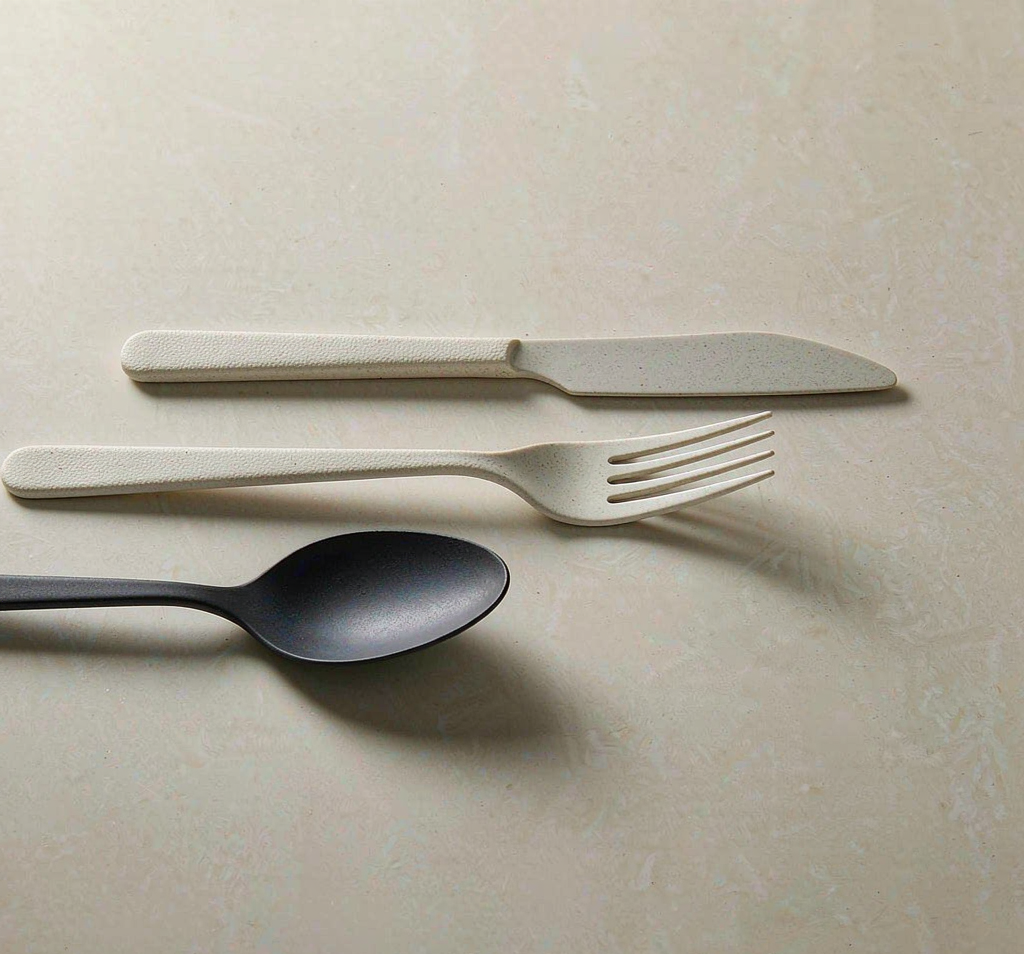
Banquet service is cutlery at its most industrial: hundreds of covers per event, wash cycles stacked back to back, pieces migrating between tables and trays and vanishing at a rate no other format matches. Banquet cutlery specification therefore solves a tension the à-la-carte line never faces — the volume demands economy, but the banquet table is where the operation's standards are most visible to the most guests at once. Here is how to specify weight, composition, and finish for volume service without sliding into the cheap feel that guests register on first contact.
Weight Is the Spec That Guests Read First
Cutlery weight is not about metal mass for its own sake — it is the physical signal of quality that every guest handles before the first course. Banquet service tempts operators toward lighter pieces: lighter means cheaper per unit, easier on wash racks, less to lose. But the guest's hand reads weight as value in the first second.
The specification that holds both ends:
The main pieces (dinner knife, fork, tablespoon) carry the table's quality read — hold their weight class at the guest level.
The high-volume, lower-visibility pieces (tea spoons, dessert forks, service spoons) can step down one weight class without the table noticing.
The balance point matters as much as absolute weight — a knife balanced toward the handle reads more expensive than a heavier knife balanced at the tip. Our guide to cutlery weight and balance in hospitality covers the balance logic that separates premium feel from flatware mass.
Composition: The 18/10, 18/8, 18/0 Decision at Volume
Stainless composition is the banquet spec's biggest cost lever, and the numbering is simple once decoded: the first number is chromium (rust resistance), the second is nickel (luster and corrosion depth). The volume decision:
Grade | Composition | Behavior at Volume | Best Role |
|---|---|---|---|
18/10 | Highest nickel content | Deepest luster, best corrosion life, highest cost | Guest-facing main pieces |
18/8 | Slightly less nickel | Near-18/10 behavior at friendlier cost | The volume workhorse tier |
18/0 | No nickel | Economical, more matte, more stain-prone | High-turnover, high-loss pieces |
The banquet arithmetic: 18/0 pieces vanish (banquets lose cutlery at rates à-la-carte never sees), so the loss economics push high-loss roles toward 18/0 — while the main guest-facing set holds 18/10 or 18/8 where the composition shows. Our guide to 18/10 versus 18/0 stainless for chains covers the composition decision in full.
Finish and Pattern: The Polish That Survives the Rack
Banquet cutlery's finish takes the hardest wash routine in the operation. The finish spec:
Mirror polish reads formal and banquet-appropriate — and shows every wash scratch over time. The polish budget matters: a good mirror polish survives years; a thin one grays within a season.
Brushed/satin finishes hide wash wear — the volume-friendly choice that still reads clean.
Pattern complexity multiplies cleaning labor: deep embossed patterns hold food residue and slow the polish line. Banquet volume favors clean patterns with gentle relief.
The wash-side reality: banquet cutlery washes loose in racks and baskets — the pattern and weight must survive rack vibration, not just the table. A factory that also produces volume flatware for institutional buyers understands this; the hardware quality inspection process that covers tool categories applies to the cutlery QC standard at volume.
The Loss and Replacement Arithmetic
Banquet cutlery specification is incomplete without the loss plan. Volume service loses pieces through buses, laundry bundles, and event teardowns — at rates that make per-piece economics dominate the decision:
Standardize the line so replacement pieces match the existing set — mixed banquet lines read as inconsistency at the table.
Count against events, not months. Banquet loss tracks events served, and the buffer restocks on that rhythm.
Hold the main set's grade; let the loss-prone roles define the economy tier. The mixed-grade strategy (main pieces up, tea spoons down) is where the loss arithmetic and the table read meet.
MOQs depend on the product and factory. Tell us what you need and we confirm what is realistic before you commit to anything. Volume cutlery carries its own production rhythm and case-pack logic — knowable from the factory before the program locks.
Frequently Asked Questions
Should banquet cutlery match the à-la-carte line?
It should match the weight class and finish family so the operation reads consistent — but running banquet service as its own set protects the à-la-carte line from the volume loss and wash wear.
Is 18/0 acceptable for guest-facing banquet pieces?
For the high-loss, lower-visibility roles, yes. The main knife-fork-spoon set at the guest place setting carries the quality read — hold that tier up and let the periphery economize.
What fails first on banquet cutlery?
The finish (wash graying), the tips (rack impacts), and the count (migration). All three are managed by the spec: durable finish, protected tips in the case design, and a loss-buffer plan.
The Takeaway
Banquet cutlery specification is volume economics without the cheap feel: hold the main set's weight and composition, let the high-loss roles step down, choose finishes that survive the rack, and plan the loss before it plans you. The banquet table is the operation's biggest stage — the cutlery should have been specified for it.

