
Oct 29, 2026Chain Operations
Argentine Parrilla Tableware: Fire, Board and Knife
Parrilla dining is meat, fire and ritual. The board-and-knife system, chimichurri vessels and wine program that carry the asado register to chain scale.
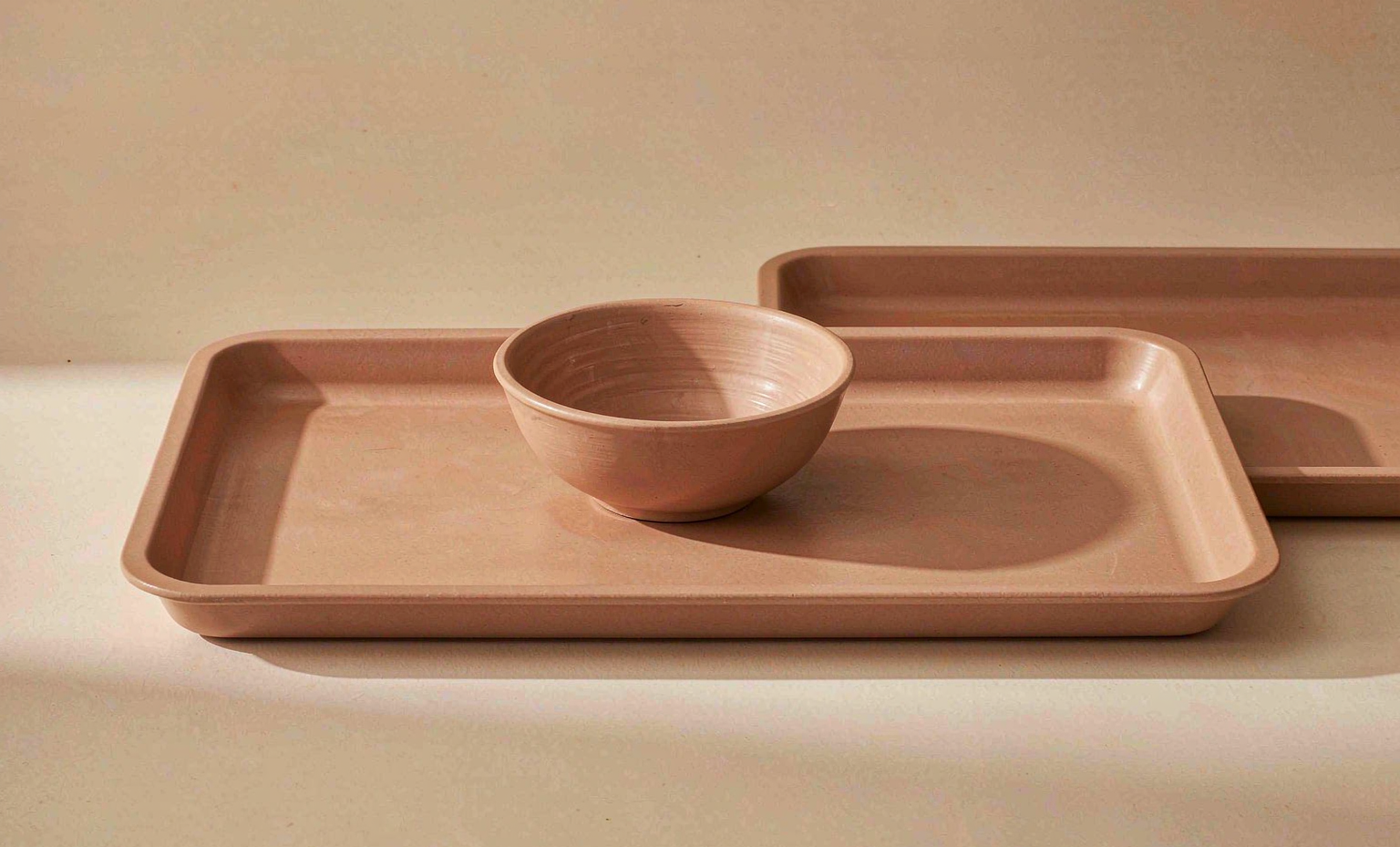
The parrilla table is built around a single act: grilled meat, cut at the table, eaten slowly, with wine. The format's tableware is minimal and serious — a board or heavy plate, a serious knife, a fork that means it, and small vessels for chimichurri and salsa criolla. The register is rustic-premium: wood, iron, heavy ceramic, and the confidence to let the meat be the decoration.
Translating the asado register to chain scale means industrializing the ritual without taming it: the board system, the knife program, the sauce vessels, and the wine service that ties the table together.
The Board-and-Plate Decision
The format's signature choice: serve on wood or serve on plate. Both carry the register; they buy different operations:
Wooden boards — the rustic register at full voice. They need a care fleet: no dish machine, scrub-dry-oil routines, retirement lines for knife-scarred surfaces, and a food-safety story (clean scoring, no deep gouges) that the audit covers.
Heavy ceramic plates — the restaurant register. Dark, matte or speckled glazes that hide knife marks, with the weight language of the steakhouse.
The hybrid — a small wooden underboard carrying a cast-iron or ceramic plate: presentation and practicality in one system.
The chain answer runs by tier: dining rooms on the hybrid or ceramic, casual formats on boards, with the wood care program written into the closing routine wherever wood serves.
The Knife Program
The parrilla knife is the format's identity — long, straight-edged, serious. The program specs:
Edge geometry — a straight edge for the clean carve of grilled beef; serrated is a compromise the register resists.
Handle construction — riveted wood or composite that survives wash cycles; the traditional wooden handle needs the wash-boundary conversation (many parrilla concepts hand-wash knives as policy).
The fleet math — one per cover, a loss factor (steak-class knives walk), and a clear-down count that treats them like cutlery, not like fixtures.
Safety training — the tableside knife is a service tool; the brief covers carry, placement, and the guest's children.
The Chimichurri Layer
Chimichurri and salsa criolla are the format's sauces — and they are acid-and-oil delivery systems. The vessels: small ramekins, sauce boats, or the squeeze-bottle-for-the-table hybrid. The specs: oil-tight glazes (chimichurri's oil films polymerize on soft surfaces), acid-resistant surfaces (the vinegar content finds crazing), and a size that invites spooning without flooding the board. The make-ahead holding vessels in the kitchen follow the same chemistry contract.
The Provoleta and Hot-Start Vessels
The format's hot starters — provoleta in its dish, grilled provoleta, empanada trays — ride cast iron or small earthenware that holds heat from the grill to the table. The specs: thermal-shock boundaries trained (hot earthenware meets cold water and dies), handling routines (hot handles, table warnings), and rack space in the dish room for the heavy pieces. The hot-start vessel is the table's first register signal; its condition (seasoned, unchipped, clean) is the kitchen's first impression.
The Wine Program's Vessels
Argentine dining runs Malbec with everything. The glass program: one red-wine glass family (the format does not need a glass dictionary), sized generously, stemless or stemmed per the register, with a loss factor and a chip line that runs strict — the wine glass is the format's most fragile piece and its most present. The decanter or carafe tier for the table's shared bottles follows the same discipline.
The Salad and Sides Layer
Ensalada mixta, grilled vegetables, papas — the sides ride medium plates and bowls, deliberately quieter than the meat's vessels. The register logic: the sides' ware recedes (white or earth tones, simpler forms) so the meat's board and the wine lead the table. The fleet piece here is the serving spoon per side dish — the shared-tool rule at the family-style table.
The Dulce Finish
Dessert — flan with dulce de leche, panqueque — runs small plates with sauce control: the caramel's sugar is a glaze test, and the plate that releases it in the wash keeps the fleet honest. The portion sizing is small; the register stays consistent with the table's weight language.
The Empanada and Starter Tier
Before the meat, the empanadas: baked or fried, served on small boards or baskets with the chimichurri within reach. The starter tier’s specs: a board or basket sized to the half-dozen share, a grease liner that holds the fried version, and the crimp’s display (the empanada’s fold is the craft signal — vessels that crowd it hide it). The tier scales with the table: individual starter plates for the formal register, the shared board for the asado spirit.
Frequently Asked Questions
Wooden boards or plates for the meat? Boards carry the rustic register but need a real care fleet (no dish machine, oil routines, retirement lines). Heavy dark ceramic carries the same register with restaurant operations. The hybrid — wood under a cast-iron or ceramic plate — is the chain favorite.
Serrated or straight-edge knives? Straight edge — the format's carve is clean beef, and the straight blade is part of the register. The trade is a knife-care program instead of a no-maintenance fleet.
What does chimichurri do to tableware? Its oil films polymerize on soft glazes and its vinegar finds crazing. The sauce vessels need oil-tight, acid-resistant surfaces — the same contract the kitchen's holding vessels sign.
How do hot starters survive service? Cast iron and earthenware with trained shock boundaries: no cold-water quench, warned handles, and dish-room rack space that respects the weight.
One glass or a wine dictionary? One red-wine glass family, generously sized, strictly chipped-out. The format's confidence comes from doing one thing at full register, not five things at partial.

