
Oct 29, 2026Chain Operations
Airline Catering Tableware: The Tray at 35,000 Feet
Airline meals ride a tray through turbulence into a seat-back slot. The weight economy, casserole logic and stowability that aviation ware is engineered around.
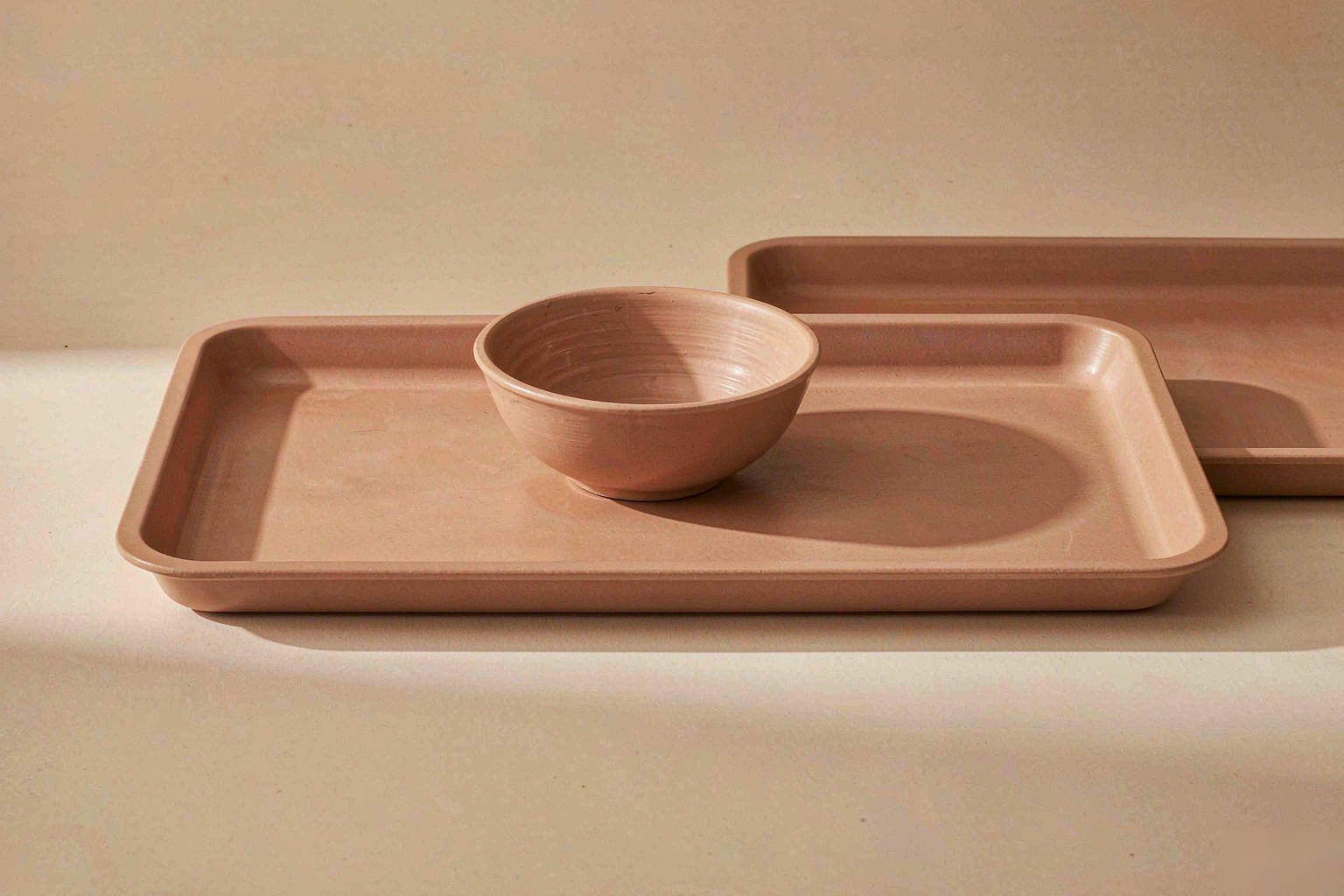
Airline meals live inside the industry's hardest ware constraints: every gram is priced in fuel, every piece must stack into a galley the size of a closet, every tray must survive turbulence, and the whole service clears in minutes against a landing. Aviation tableware is a discipline of grams, stowage and speed — and its lessons travel to any format that serves in motion.
The Weight Economy
Airlines count grams the way restaurants count dollars: a lighter tray across ten thousand flights is real money. The ware consequences: ultra-thin polymer serviceware, foil casseroles, and the industry's slow premium shift — where front cabins earn heavier pieces (real glass, ceramic in premium classes) because the guest experience pays for the grams. The chain lesson: weight is a cost line and a register line at once; each class of service decides its own exchange rate.
The Stowage Math
Galley space is the format's scarcest resource. The stowage specs: trays that stack to exact heights, casseroles that nest, cups that interlock, and the cart's slot geometry — the service cart is a three-dimensional puzzle, and every vessel is a piece. The buy test is the cart itself: mock the slots, load the service, count the covers one cart carries. Ware that stows densely buys covers without buying cart weight.
The Turbulence Test
The tray rides a moving floor: turbulence tilts, descent slopes, seat-back slots swallow everything. The specs: lids that seal (the casserole's foil seal is both oven and turbulence insurance), cups with lids as policy, and the tray's lip geometry that keeps the service in place through a bump. The honest test: a loaded tray, tilted and shaken at sampling — what migrates is what the cabin crew will chase at cruise.
The Casserole Logic
The airline casserole — the foil or polymer dish that holds the hot meal — is the format's plate: oven-safe (the galley's heating cycle), seal-compatible, and shaped to the tray's slot. The specs: heat tolerance through the warming cycle, a rim that receives the seal, and the compartment variants (the divided casserole keeps the entrée from the dessert). The casserole's material ladder — foil for economy, polymer for presentation, ceramic for premium — is the format's class system in miniature.
The Cutlery Packet
Airline cutlery rides sealed: a napkin-wrapped packet with fork, knife, spoon, sachets. The specs: weight-tuned materials (polymer in economy, steel in premium), the packet's hygiene promise (sealed until opened), and the count discipline (packets are the format's cutlery fleet — inventoried per service). The packet is also the meal's ritual opener: its design is the first tactile moment of the service.
The Beverage Cycle
Cabin service pours in tight aisles from carts in motion: cups that receive a pour while tilted, lidded everywhere in economy, glass in premium where the class earns it. The specs: the cup's stability in the cart's slot, the lid's one-hand operation (the crew's hands are full), and the stack depth that fits the cart's tower. The beverage cycle's speed is the service's rhythm; the cup is its tempo.
The Service Timeline
A cabin service clears in minutes: trays down, meals opened, tables cleared before descent. The ware choreography: everything stages in sequence — tray, casserole, packet, cup — and clears in reverse. The galley's return logic: the dirty ware returns to the same slots it left from (the cart is designed for the round trip), and the wash happens on the ground on a ground-time clock. The round-trip discipline is aviation's ware signature: everything ships out and ships back, counted both ways.
The Premium Cabin Tier
Front cabins run a different program: real ceramic, real glass, plated service in the galley, and a register that reads restaurant. The premium fleet's specs: pieces that survive the same physics (stowage, turbulence) at higher quality, wash-and-return cycles managed across the fleet's rotations, and the presentation details (linens, real cutlery) that carry the class's promise. The premium tier's ware is the airline's brand made tangible — and its logistics discipline is what makes it possible at altitude.
Frequently Asked Questions
Why do airlines count grams so carefully? Fuel: a lighter tray multiplies across thousands of flights and decades of service. Weight is a cost line — but premium cabins pay it back in guest experience, which is why the classes split.
What is the stowage test? The cart puzzle: mock the slots, load the service, count the covers one cart carries. Ware that stows densely buys covers without weight.
How does ware survive turbulence? Seals, lids and lip geometry: the casserole's foil seal, the lidded cup, the tray's containment. The tilt-and-shake test at sampling finds what the cabin crew would chase at cruise.
What is the round-trip discipline? Everything ships out and ships back in the same slots — the cart is designed for the return, the wash happens on a ground-time clock, and both directions are counted.
Why does premium cabin ware matter? It is the class's brand made tangible — real ceramic and glass at altitude carry the ticket's promise, managed by the same stowage and round-trip physics.

