
Oct 27, 2026Chain Operations
Auditing a Tableware Factory Before the First Order: A Buyer's Walkthrough
What to actually look for when auditing a tableware factory — from clay storage to the loading dock, and the five answers that separate a program supplier from a workshop.
Auditing a Tableware Factory Before the First Order: A Buyer's Walkthrough
Catalogs and samples tell you what a factory can make at its best. An audit tells you what it makes on an average Tuesday — which is what your stores will actually receive for the next three years.
For chain buyers and their sourcing partners, a tableware factory audit does not require a ceramics engineering degree. It requires a walking route, a question discipline, and the willingness to watch how people actually work when a tour group is not in the room. This walkthrough covers both the stations to visit and the answers that matter.
The Walking Route
Raw material storage. Clay bodies, glaze raw materials and frits should be stored by lot, off the floor, and identifiable. If the factory cannot tell you which clay lot went into which firing, batch traceability ends before it starts. This is the first station because every later answer depends on it.
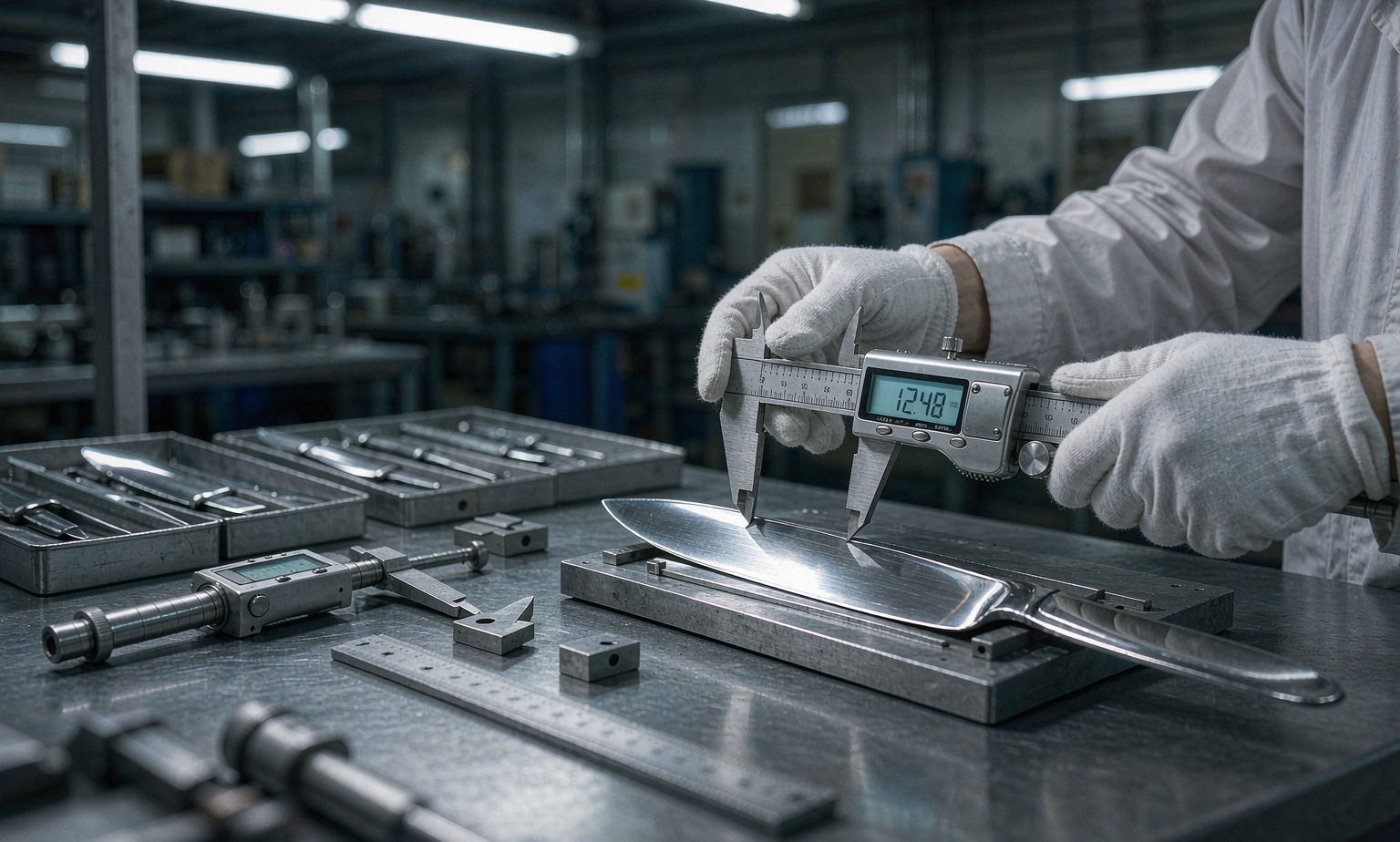
Forming and casting. Watch for two things: cleanliness of molds (residual buildup shows up as surface defects downstream), and whether operators gauge quality by eye alone or against fixtures. Jigged processes produce repeatable pieces; purely visual processes produce variance that samples never reveal.
Glazing line. The glaze application station is where color consistency is won or lost. Ask how the glaze density is controlled during the shift, how often it is checked, and where the records live. Density drift is the root cause behind the most common chain complaint: the new order does not match the old stock.
Kilns and firing records. Each firing is a batch. The question is what the kiln log records — temperature curve, duration, load, operator — and whether that log can be joined to the pieces that came out. A factory that can retrieve the firing record for a specific complaint is a factory that can correct its process; one that cannot is guessing.
Inspection and packing. This is where you count inspection stages. A serious tableware line runs multiple inspection passes — typically a first check after firing, a second after glaze/finishing, and a final pre-packing check — with sampling plans that follow a documented method rather than inspector mood. Watch the packing station last: divider quality, carton specs, and whether cartons are labeled by lot. Packing discipline predicts how much of the factory's good work survives the ocean.
The Five Answers That Matter Most
Through the walk, five questions do most of the sorting:
1. "Show me the test records for the last batch of this SKU." Water absorption, per-batch color comparison against a sealed reference, food-contact migration testing where applicable. The form of the answer matters as much as the content: a filed record retrieved in minutes is a different creature from "we test everything, don't worry."
2. "What happens when a batch fails?" Listen for a process — quarantine, root-cause review, disposition record — not for reassurance. Factories that have never failed a batch have either never measured or never told.
3. "Which parts are checked by fixture and which by eye?" Eye-checking is not disqualifying; unverifiable eye-checking is. The mature answer names the fixtures, the visual standards, and who trains the inspectors.
4. "Can you hold this color across twelve months of production?" The credible answer references sealed standards, glaze lot control, and spectral measurement where color-critical work is involved — with the honest caveat that drift is managed, not abolished.
5. "Who is my QC contact after the order ships?" Program suppliers name a person and a channel for post-shipment claims, with a defined window. If the answer is "sales will help you," the audit found a workshop with good photography.
Reading the Records, Not the Lobby
The lobby shows the brands the factory has served; the records show how it served them. On any audit, weight your time toward the document room: batch logs, test reports, corrective-action records, and training files. A factory mid-journey on documentation — records that exist but are handwritten and hard to retrieve — is often a better partner than one with polished certificates and no retrievable history, because documentation discipline is a habit that either exists or is being built, and you can tell which from an hour in the files.
Remote Audits: The Honest Shortcut
When travel is not practical, a structured video audit covers most of the walking route — if it is structured. Send the route in advance, require live camera movement through each station (not a prepared loop), and ask for records to be shown on camera, opened and paged through. The stations that translate best by video are glazing control, kiln logs, and the packing line; the one that does not is raw material storage, which deserves an in-person visit before a program scales.
Frequently Asked Questions
How long should a first audit take? Half a day on the floor plus an hour in the records, for a focused tableware factory. Longer tours often mean the route is unstructured; shorter ones skip either firing records or packing, which are where the money is.
Should we audit before samples or after? After promising samples, before the first production order. Samples select the candidate; the audit confirms the process behind them.
What is the biggest red flag in tableware audits? No sealed color references at the glazing line for color-critical programs. It means every batch is defined fresh — and your reorder will not match your opening order.
Do smaller factories disqualify themselves? No — small factories with jigged processes and honest records often outperform large ones on batch consistency. Scale without traceability is just more variance per shipment.
How often should re-audits happen? Annually for program suppliers, and always after a major process change — new kiln, new glaze supplier, new body formulation. Changes reset the process, and the audit confirms the reset.

